
Last updated November 14, 2026
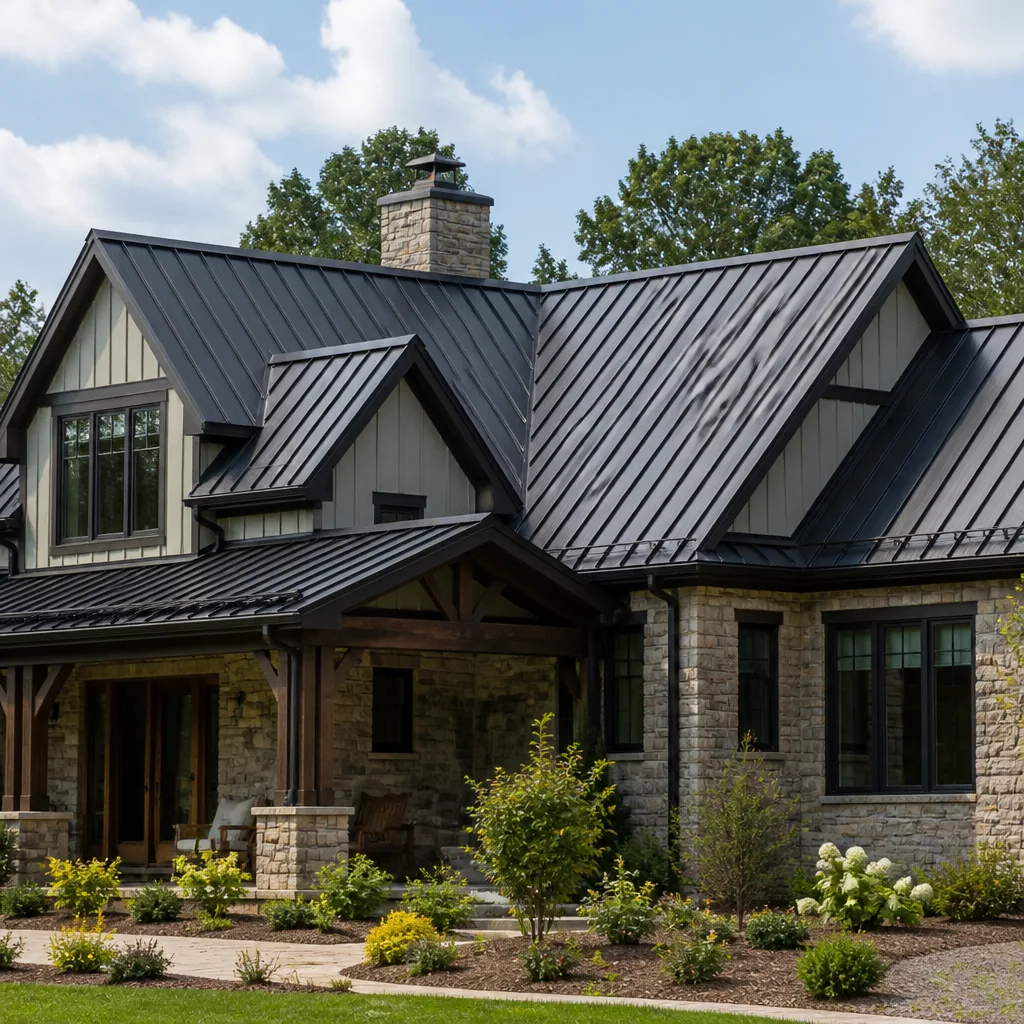 Metal roofing
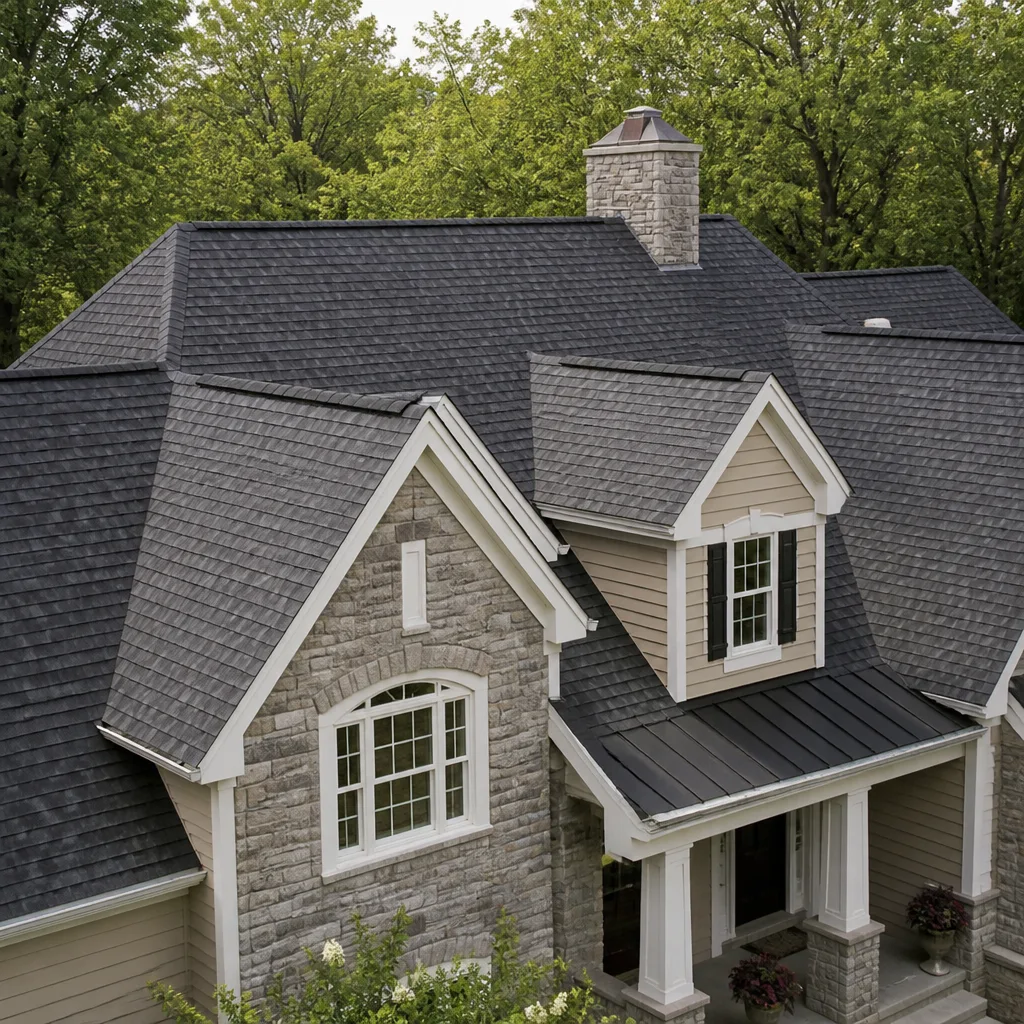 Architectural shingles
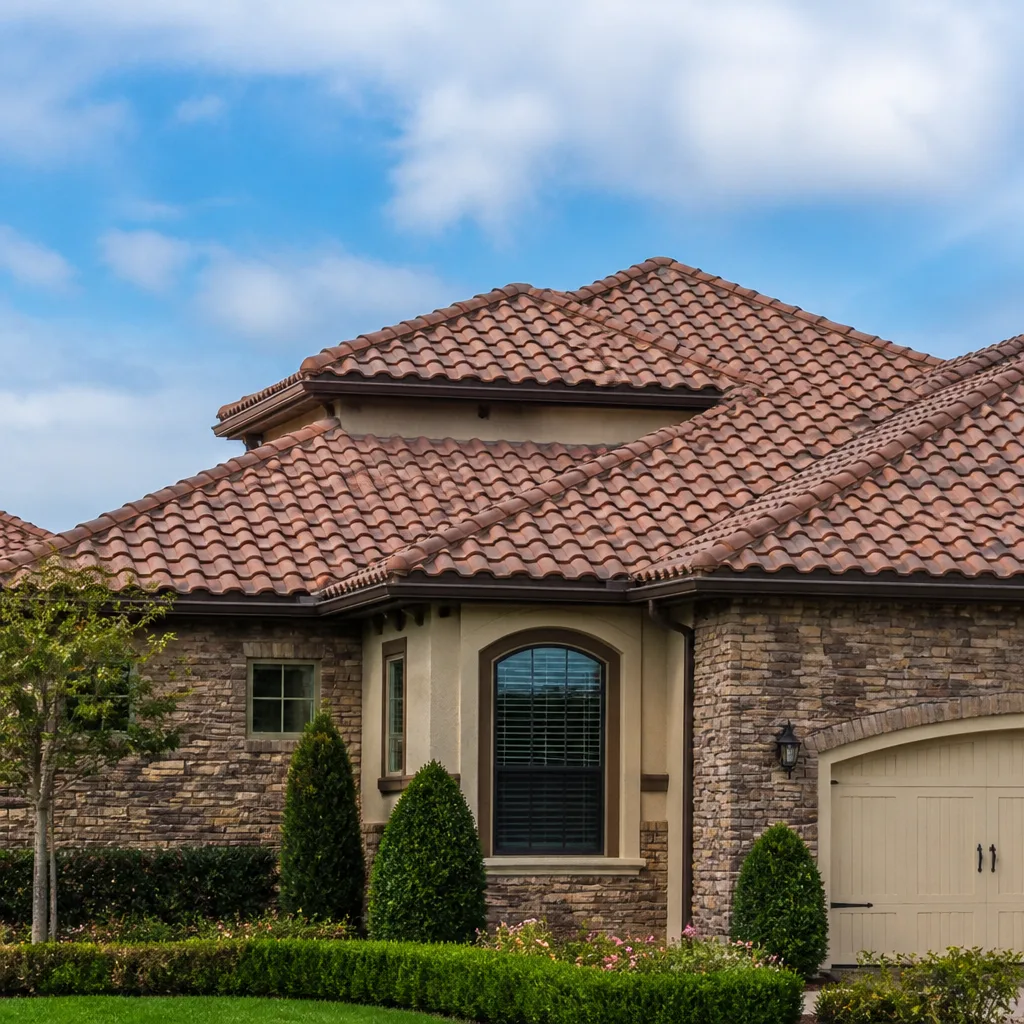 Tile roofing
 GAF
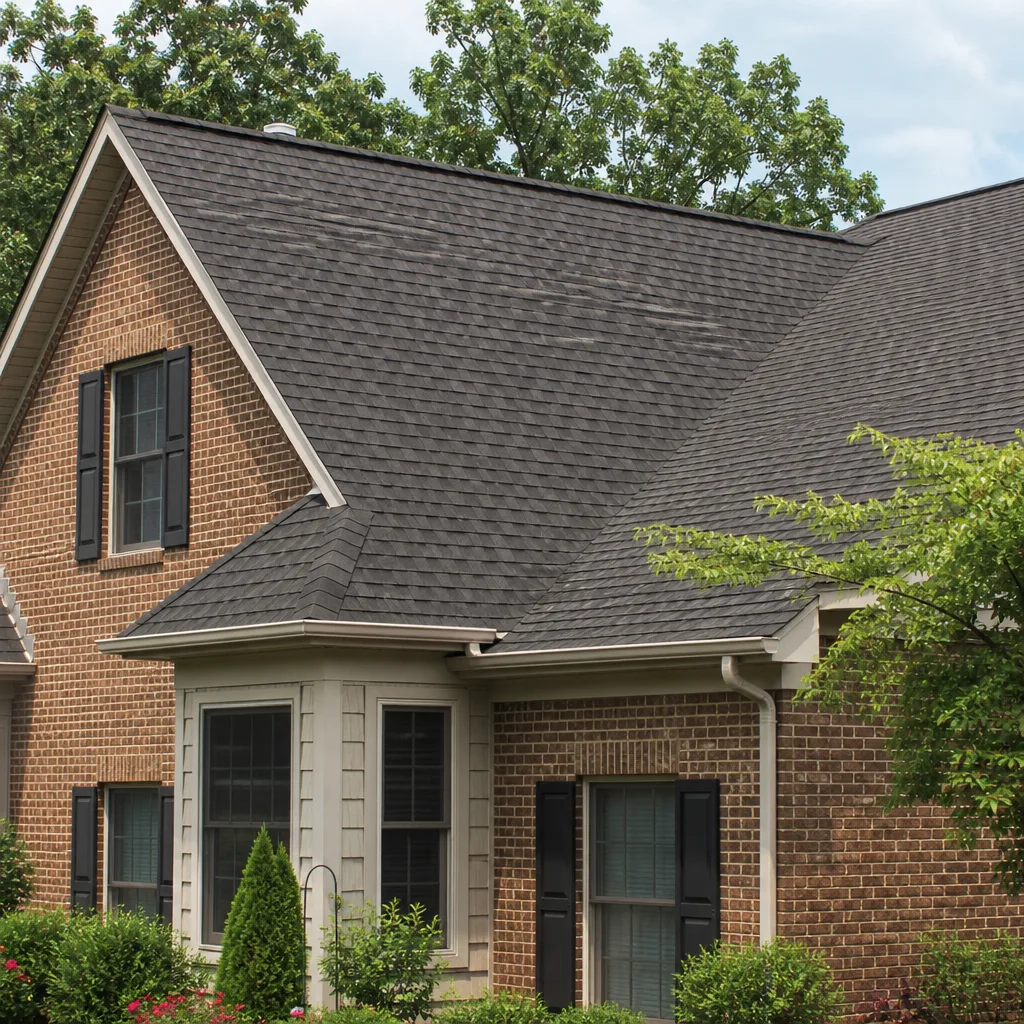 Owens Corning
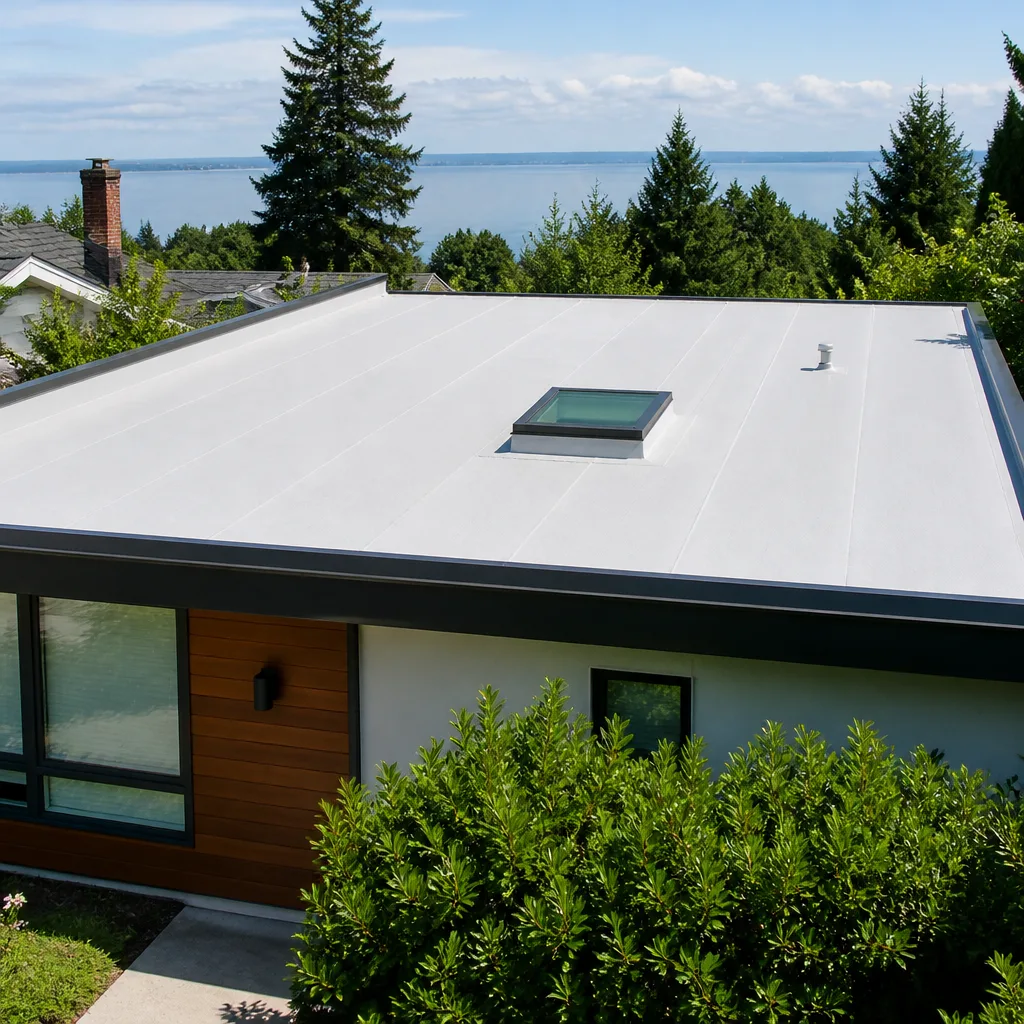 Flat & low-slope
Free roof inspection with deck photos before we talk money - GAF and Owens Corning certified installation
DIY vs Professional Roofing: The Yonkers Homeowner’s Decision Guide
Most guides to this question start with a math problem: pick up a hammer and save a few thousand dollars, or pay someone to swing it for you. That framing misses what actually matters in Yonkers. Doing your own roofing work here is legal, but it triggers permit requirements plenty of homeowners don’t know apply to them, and a failed inspection on homeowner-performed work lands differently than one on a contractor’s job. There’s also how a self-installed patch affects your insurance, and the way a small flashing error in this particular climate grows into a deck repair. This guide walks through where DIY genuinely pays off, where it quietly costs more, and the middle path most guides skip: handling prep and cleanup yourself while a licensed crew does the technical work.
Quick Answer
Small tasks like replacing a few damaged shingles on an easy-to-reach slope are reasonable for a careful homeowner. Anything involving flashing, valleys, roof penetrations, ventilation, or full replacement is not, mostly because Yonkers requires a permit for reroofing, homeowner-performed work still gets inspected, and errors in those areas cause water damage that costs more to correct than the original professional job would have. If you’re unsure which category your project falls into, that uncertainty is itself a reason to get an inspection before you buy materials.
Styles & brands we work with
- Architectural shingles
- Metal roofing
- Tile roofing
- GAF
- Owens Corning
- Flat & low-slope
Table of Contents
- What Yonkers Permits Actually Require of a Homeowner Doing Their Own Work
- Where DIY Roofing Is Genuinely Reasonable
- Where DIY Roofing Fails in Yonkers’ Climate
- How DIY Roofing Affects Your Homeowner’s Insurance
- The Honest Cost Comparison Nobody Prints
- The Middle Path: Lower the Bill Without Touching the Shingles
- Why a Standalone Inspection Changes the Decision
- When to Call a Professional
What Yonkers Permits Actually Require of a Homeowner Doing Their Own Work
Roofing work in Yonkers runs through the city’s building department, and a reroof or structural roof repair generally requires a permit and inspections before the work is closed up. That applies whether a contractor does the work or you do it yourself. Plenty of homeowners assume the permit rules exist to regulate contractors and that owner-occupied, do-it-yourself work sits outside them. It doesn’t. If you pull your own permit, you are the responsible party for the inspection, and the inspector will look at the same items a contractor’s job gets checked for: deck condition, underlayment, flashing at walls and chimneys, and ice dam protection at the eaves.
Here’s where the process differs from a contractor’s job in ways that matter. A licensed roofing contractor pulls permits routinely and knows what the inspector expects to see at each stage, because they’ve been through it many times. A homeowner doing one roof may be learning the sequence for the first time, and a failed inspection means corrections, a re-inspection, and time the roof sits open. There’s also the matter of who signs off. Homeowner-performed work puts the liability on you, and if you later sell the house, an unpermitted or unapproved roof can surface in a buyer’s inspection and hold up a closing.
None of this makes DIY illegal in Yonkers. It makes the permit step something to plan for rather than skip. Before you start, call the city’s building department and ask exactly what your project needs: which permit, which inspection stages, and what documentation they want at final. Get the answer in writing if you can. If the answer is more involved than you expected, that’s useful information before you’ve ordered shingles, not after.
One more piece of Yonkers context: the city has a large stock of older homes, and many roofs here have been layered over more than once. A reroof over existing shingles has limits on how many layers are allowed, and an inspector will check the deck beneath. On a house that’s had three roofs in eighty years, the honest answer is often a tear-off, and that’s not a job to take on alone. Our roof repair crew deals with layered roofs around Yonkers regularly, and it changes both the scope and the permit conversation.
Where DIY Roofing Is Genuinely Reasonable
We’re not going to tell you every roof task requires a professional, because that isn’t true and you’d stop reading. Some jobs are genuinely within reach for a careful homeowner with the right ladder, the right sealant, and a healthy respect for heights. The dividing line is simple: if the work can’t let water in behind it, it’s a candidate for DIY. If it can, it isn’t.
Tasks that fall on the reasonable side:
- Replacing a handful of damaged shingles on a low, easy-access slope. A cracked or lifted shingle on a garage roof or a porch overhang is a small job. Matching the shingle matters; bring a piece to a supplier and ask them to match the profile and color rather than guessing.
- Sealing small gaps at flashing edges with the correct roof sealant. This is maintenance, not repair. The key word is correct: use a product rated for roof use and exterior temperature swings, not interior caulk, and clean the surface thoroughly first or the sealant won’t bond.
- Clearing debris from the roof surface and valleys. Leaves and branches hold moisture against the roof and back water up. Clearing them is harmless when done from a stable ladder or with a roof rake from the ground.
- Cleaning and checking gutters. Water management is a large part of roof performance, and keeping gutters clear is a homeowner task in most cases.
- Replacing a roof vent cap or a damaged vent cover that sits over an intact, properly flashed opening, as long as you’re not disturbing the flashing itself.
What ties these together is that they’re small, reversible, and don’t require you to diagnose why something failed. If you find yourself wondering whether the water is coming from the flashing, the shingle, or the valley, stop. That diagnosis is the part that takes training, and getting it wrong means you fix the wrong thing. A paid inspection that tells you the real source is cheaper than three weekends of guesswork. Ashton Roof Repair offers inspections in Yonkers as a standalone service, so you can get an honest read on condition before you spend anything on materials.
Where DIY Roofing Fails in Yonkers’ Climate
Yonkers sits in a climate that is hard on roofs in a specific way: cold winters with repeated freeze-thaw cycles, hot humid summers, and a steady diet of nor’easters and summer thunderstorms. That combination punishes small errors much more than a mild climate would. A flashing detail that’s slightly wrong in a dry climate might survive a decade. Here, water gets behind it in the first freeze-thaw cycle, expands, and opens the gap further.
The three areas where we see homeowner work come apart:
- Flashing at walls, chimneys, and skylights. Flashing is the metal that directs water away from a joint where roof meets something else. It has to be layered in the right order, lapped in the direction water flows, and integrated with the underlayment below. Get the layering backwards and water goes in instead of out, and you won’t see it until it’s in the ceiling.
- Valley work. A valley is where two roof planes meet and funnel the largest volume of water on the whole roof. Valley installation has a specific method, often with a metal valley lining or a woven shingle pattern, and the tolerances are tight. This is the single most common place a DIY roof starts leaking within a season or two.
- Ventilation. Roof ventilation is a system, not an accessory. Intake at the eaves and exhaust at the ridge have to be balanced, and getting the ratio wrong traps heat and moisture in the attic. In a Yonkers winter, that moisture condenses on the underside of the roof deck, and over a few seasons you’re looking at rotted sheathing and mold. Ventilation errors don’t show up as a leak. They show up as a much bigger bill later.
There’s a safety piece here too, and it’s not a formality. Roof work at height is the part of this trade that genuinely hurts people. Ladder placement on uneven ground, walking a slope that looks gentler than it is, and working near the edge without fall protection are the situations that send homeowners to the hospital. If your project involves any time on the roof surface itself, weigh that honestly against your experience and your ladder setup. We’d rather you call us than take a fall.
How DIY Roofing Affects Your Homeowner’s Insurance
This is the part of the decision almost no guide covers, and it can outweigh the labor savings on its own. Homeowner’s insurance responds to damage from covered events, and the policy assumes the roof was in sound condition and properly installed at the time of the loss. Work you do yourself doesn’t void your policy, but it can complicate a claim in two ways: during the work, and later on the portion of roof you touched.
During the work, injuries are the exposure that matters most. A standard homeowner’s policy has limited or no coverage for a paid helper injured on your property, and if you hire a friend or day laborer to help with a roof project, you could be exposed. A licensed and insured roofing contractor carries their own liability and workers’ compensation coverage, which is a large part of what you’re actually paying for.
After the work, the exposure shifts to the claim itself. If a section of roof leaks and the insurer’s adjuster finds that the leak traces to homeowner-installed work, the question becomes whether the damage resulted from a covered event or from faulty installation. Faulty workmanship is typically excluded, and the resulting interior damage may follow. That’s not a reason to panic about every small repair, but it is a reason to document what you did, keep receipts for materials, and be careful about the scope of what you take on. For anything beyond minor maintenance, having a permit and an inspection record on file puts you in a much stronger position if a claim ever comes up.
It’s worth a call to your own insurer before starting a project of any size. Ask two questions: does self-performed roof work affect my coverage, and what documentation do you want if I make a claim on the roof? The answers vary by carrier and policy, and getting them straight beforehand is free.
The Honest Cost Comparison Nobody Prints
The usual DIY calculation is materials versus a contractor’s bid. That comparison is incomplete, because it leaves out permit fees, the markup you pay on materials at retail versus a contractor’s supplier pricing, the cost of correcting errors, and your own time. Here’s a more complete accounting. Prices below are typical ranges for the Yonkers market, and the written estimate a contractor provides is what sets the final number on any professional job.
- Materials: Retail shingle pricing is generally higher than what a contractor pays through supplier accounts, and the gap widens on larger jobs. On a small repair, the difference is minor. On a full roof, it can be meaningful.
- Permit fees: These apply to permitted work regardless of who does it, so they don’t favor DIY. They’re a cost either way, and skipping the permit to save the fee is the expensive version of saving money.
- Tools: A nail gun, compressor, shingle cutter, roofing shovels, fall protection, and a suitable ladder add up. If you’re buying them for one roof, that cost belongs in the comparison. Rental is an option but adds logistics.
- Correction costs: This is the sleeper. A flashing or valley error that lets water in typically produces interior damage, insulation replacement, and sometimes deck repair before it’s found. Correcting that work costs more than the original installation would have, and it happens after you’ve already paid for materials once.
- Time: A full roof is days of work for a crew. For a homeowner working around a job and weather, it stretches into weeks, and the roof is exposed the whole time.
- Disposal: Tear-off debris requires a dumpster and disposal fees, which a contractor folds into their bid.
Where DIY genuinely wins on cost is on small, contained repairs where no permit is needed, the materials are inexpensive, and the work is a straightforward replacement rather than a diagnosis. That’s a real category, and we’d rather you know it than assume we think every job needs us. If you want a professional number to compare against, a free estimate gives you one without obligation. Materials from brands like Owens Corning, IKO, Atlas, and Tamko come in at different price points, and seeing the spread across tiers is often what helps a homeowner decide whether to repair or replace.
The Middle Path: Lower the Bill Without Touching the Shingles
Most DIY-versus-pro guides frame the choice as all or nothing. There’s a middle option that’s genuinely useful, and it’s how a lot of careful homeowners in Yonkers actually approach a roof project. You handle the parts that require effort but no technical judgment, and a licensed crew handles the parts that require both. The labor savings are real, the technical risk stays with the people trained for it, and the permit and inspection stay clean because the licensed contractor is doing the permitted scope.
What homeowners can reasonably take on:
- Clearing the work area. Moving patio furniture, planters, and anything else away from the house, and protecting landscaping below the roofline, saves crew time and is work you’d want done your way anyway.
- Interior prep. Clearing the attic access, moving stored items away from the ceiling below the work area, and covering furniture in rooms where debris might fall.
- Debris cleanup after the crew leaves. Final sweep of the yard and driveway for nails and shingle fragments. Some contractors discount for this; ask.
- Handling the permit paperwork yourself, if your contractor agrees. Some homeowners prefer to pull the permit in their own name. Ask the contractor first, since it affects how the inspection is scheduled.
- Being the on-site decision-maker. If deck rot turns up mid-job, someone has to decide whether to repair or replace sheathing. Being available and reachable saves days.
What stays with the crew, without exception: flashing, valleys, penetrations, ventilation layout, and anything involving the structural deck. Those are the parts where an error compounds, and they’re also the parts an inspector looks at most closely. Splitting the work this way is honest, and it’s how we’d approach our own homes. If you want to talk through which parts of your project are safe to take on, that conversation is part of a free estimate. You can read more about how we handle a full roof replacement if you’re weighing that against repair.
Why a Standalone Inspection Changes the Decision
Here’s the thing about the DIY question: it’s usually asked before anyone knows what’s actually wrong. A homeowner sees a stain on the ceiling or a shingle in the yard and starts pricing materials for a repair they haven’t diagnosed. That’s backwards, and it’s how people end up doing the wrong work twice. A standalone roof inspection resolves the question before you spend anything.
An inspection tells you three things. First, what’s actually failing, which is often not where the symptom shows up; water travels along framing before it stains a ceiling. Second, how much of the roof is affected, which determines whether this is maintenance, repair, or replacement. Third, what the remaining service life looks like, which tells you whether investing DIY labor in a patch makes sense or whether you’re putting effort into a roof that’s near the end of its life anyway. We offer inspections as a standalone service with no requirement to buy a repair, because the answer to “should I do this myself” depends entirely on what the inspection finds.
This is also where being brand-neutral matters. A contractor who installs only one manufacturer’s products will recommend that manufacturer, whether or not it’s the right fit. Because we install across GAF, CertainTeed, Owens Corning, IKO, Atlas, Tamko, and Boral, the recommendation follows the roof and the budget rather than what’s sitting in a warehouse. That matters most on the repair-versus-replace decision, where a value-tier product on the right roof can outperform a premium product on the wrong one.
When to Call a Professional
Call a professional if any of these describe your situation. Water is getting into the house, or you’ve seen a ceiling stain, which means the leak has been running for a while. The damage involves flashing, a valley, a chimney, a skylight, or any roof penetration. You’re considering a full reroof or a tear-off. The roof is steep, high, or has multiple levels. You’re preparing to sell and need documentation. Or you simply can’t tell what’s wrong, which is the most common reason people call us and a perfectly good one.
Ashton Roof Repair offers free estimates in Yonkers. Call (833) 741-8977. We answer 24/7. Fast dispatch from 7am to 7pm, Sunday through Friday. We’re closed Saturday. An honest inspection first, a recommendation second: if repair makes sense, we’ll tell you, and if it doesn’t, we’ll tell you that too.
See the difference
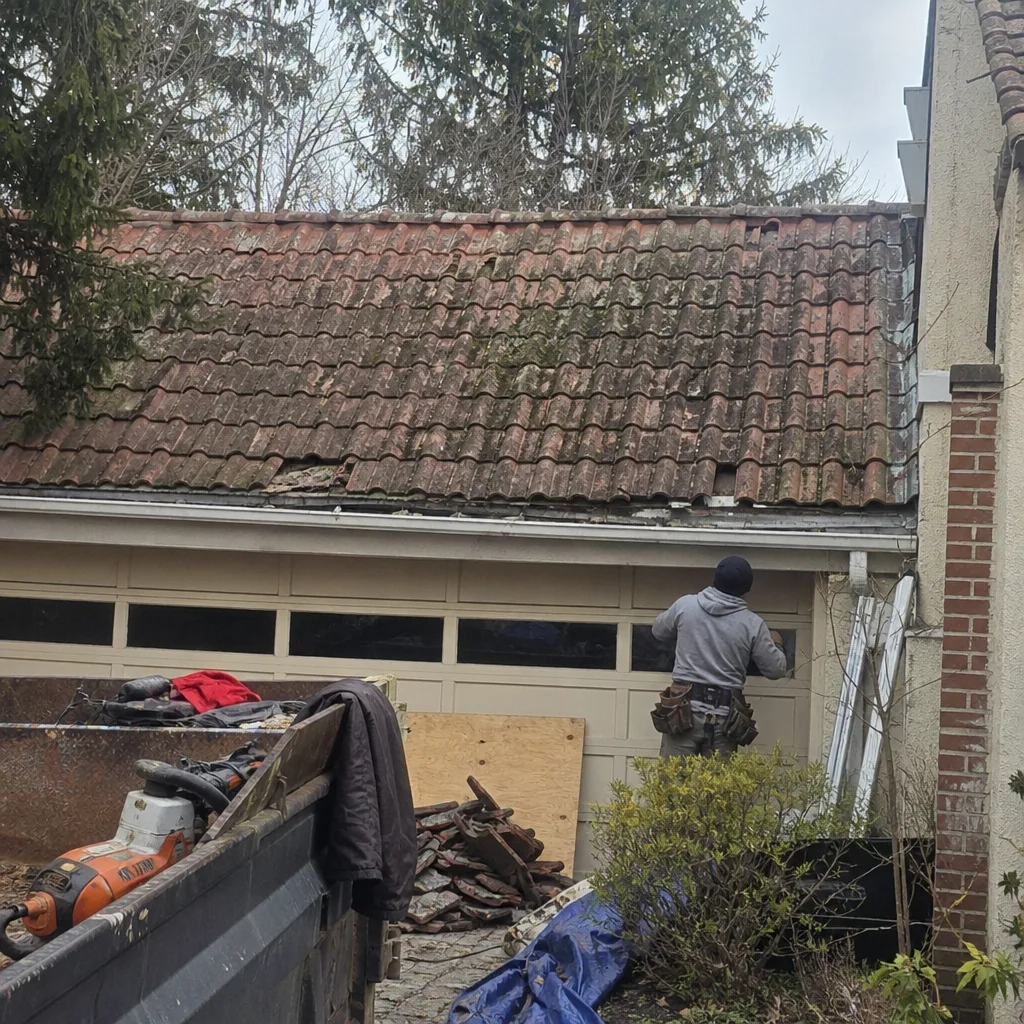 Before
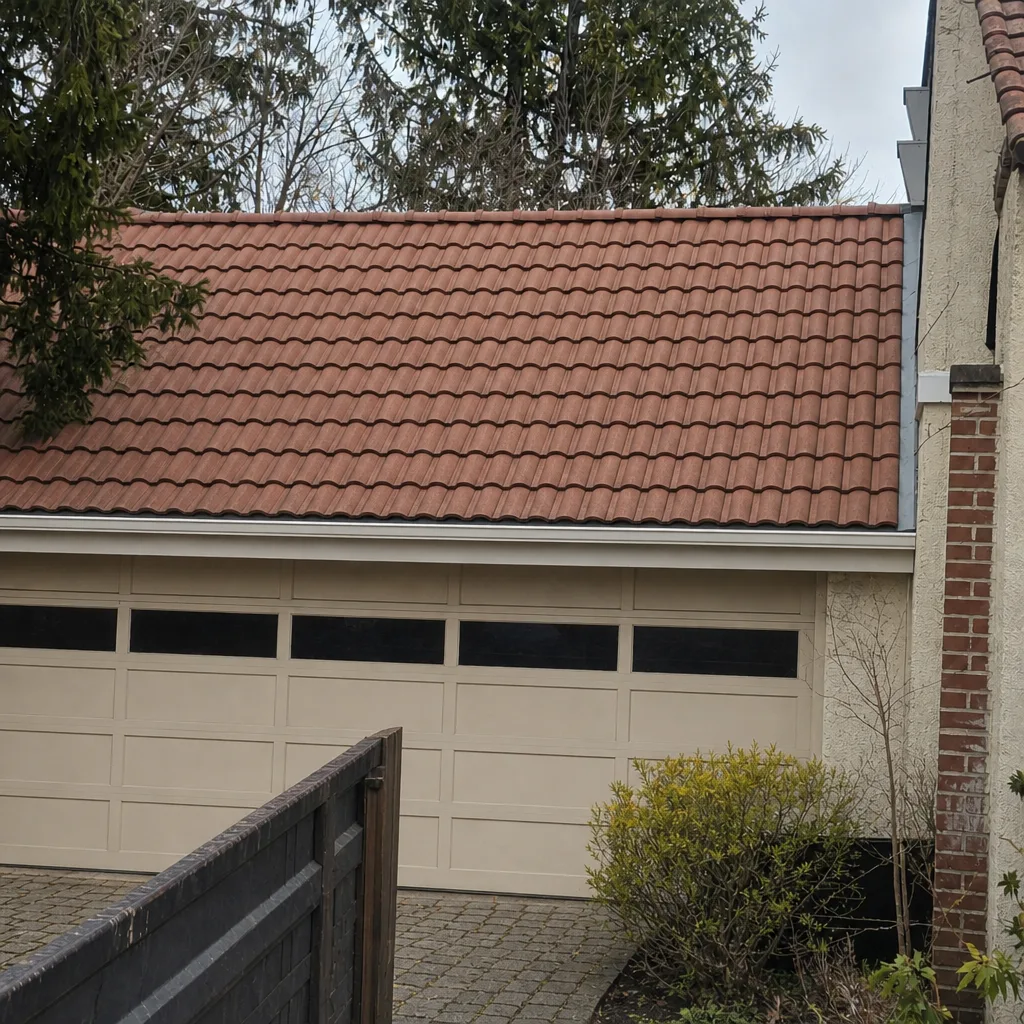 After
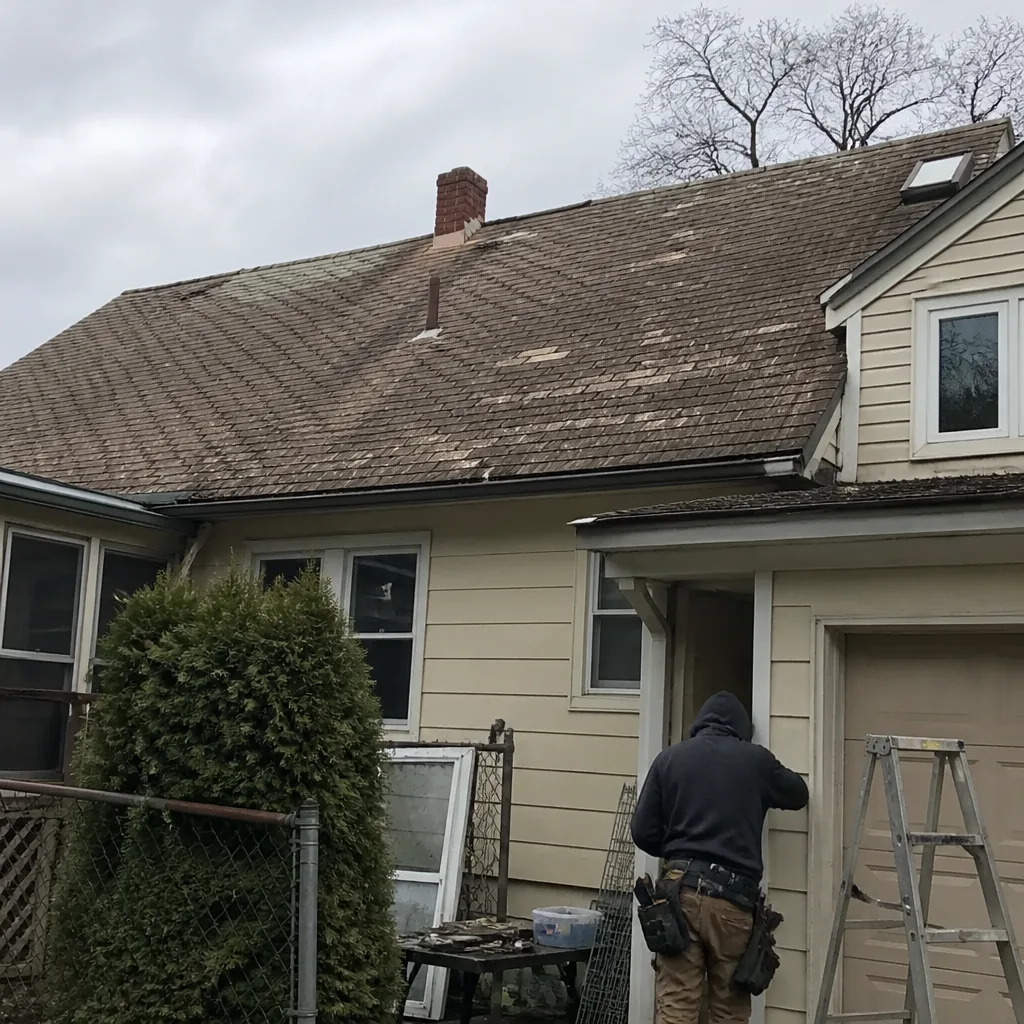 Before
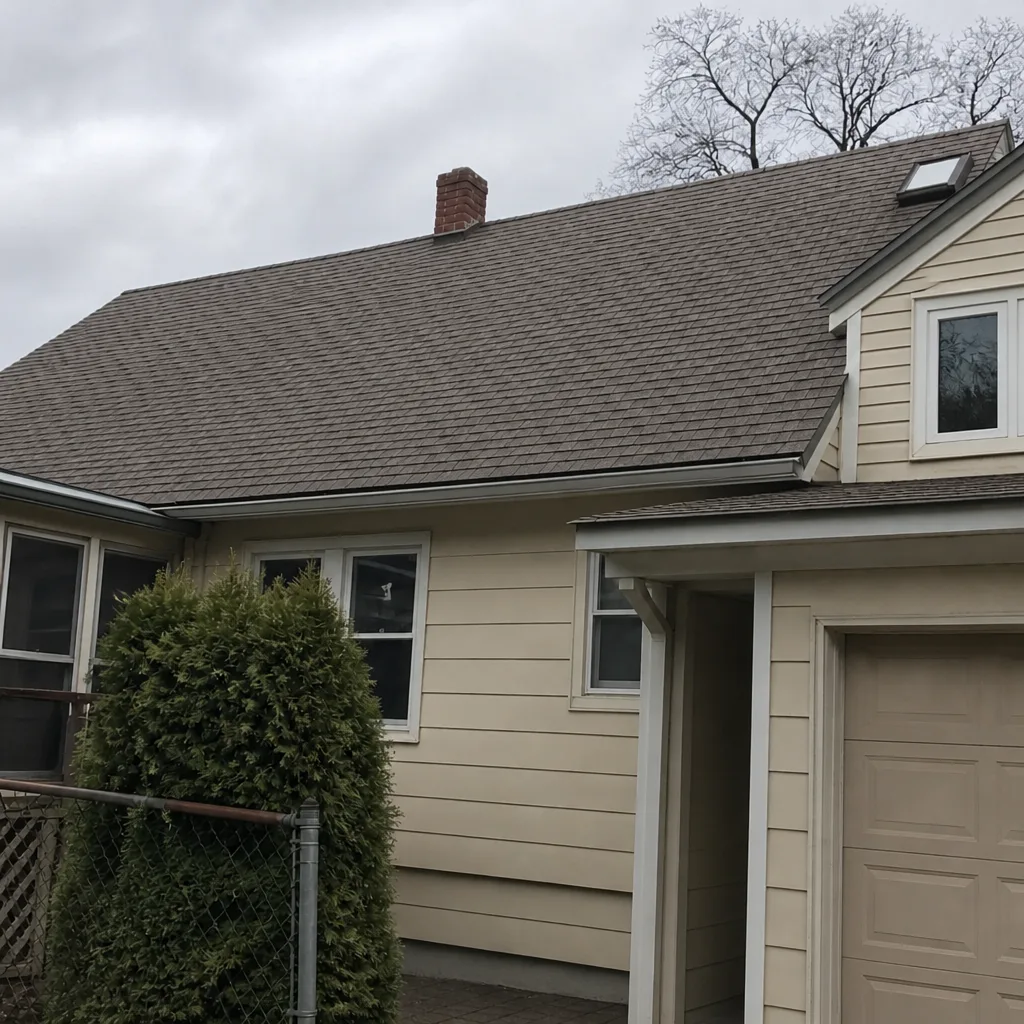 After
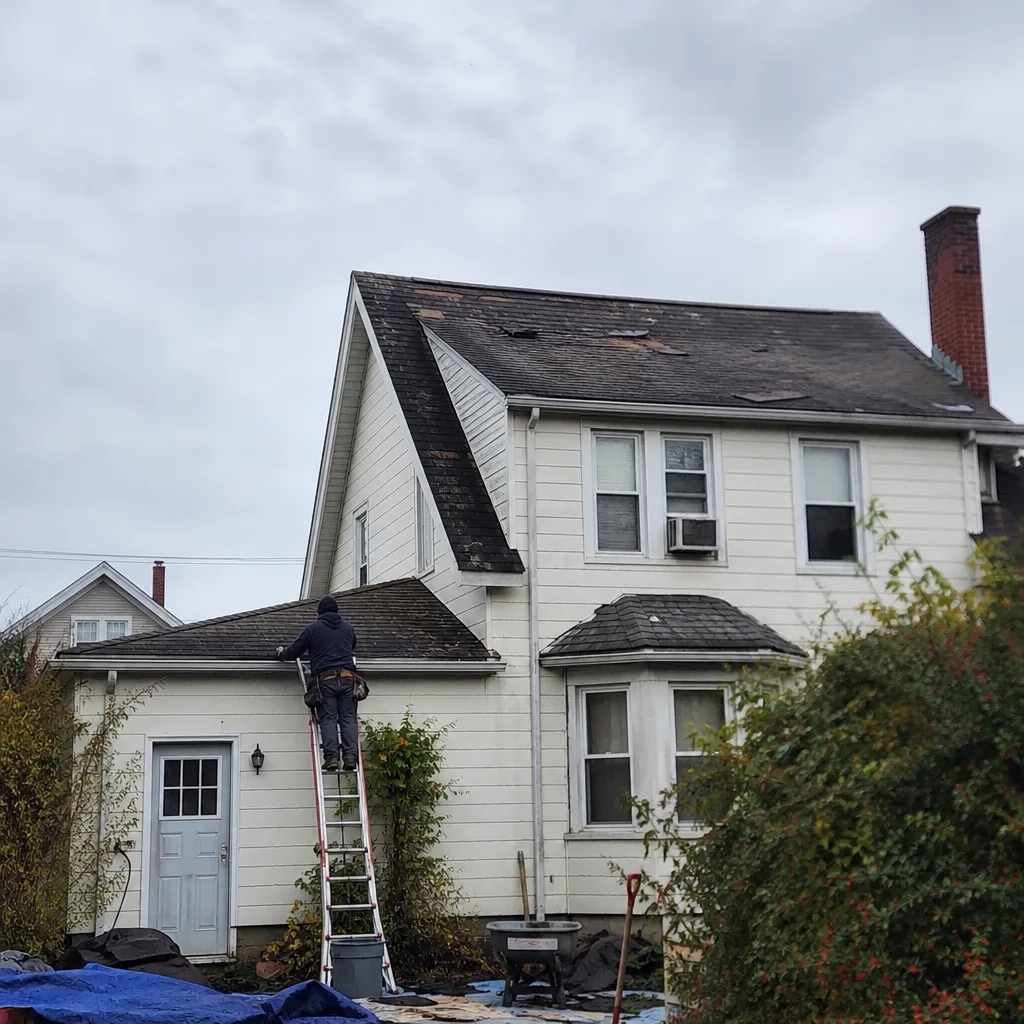 Before
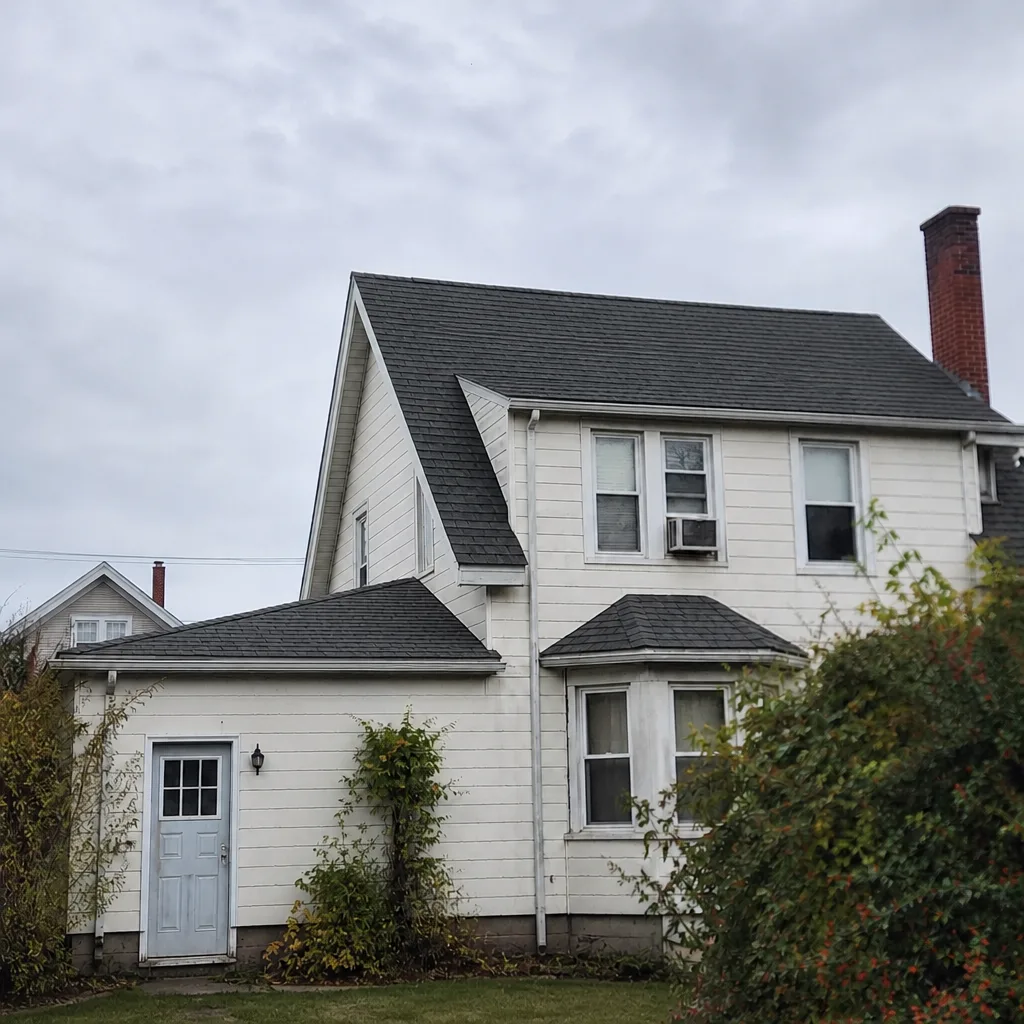 After
Common Mistakes to Avoid
- Skipping the permit because it’s “just a repair.” In Yonkers, reroofing and structural roof repair generally need a permit and inspection, and homeowner-performed work isn’t exempt. Skipping it creates a documentation problem at resale that costs more to resolve than the permit did.
- Buying materials before diagnosing the leak. Water stains appear well downhill of the actual entry point, especially on roofs with complex framing. Patching where the stain is, rather than where the water is getting in, wastes materials and leaves the real problem running.
- Using the wrong sealant on flashing. Interior caulk and roofing sealant are different products for good reason. The wrong one fails in the first hard freeze, and by then it’s taken the flashing with it.
- Layering shingles over a roof that’s already layered. Yonkers has a lot of older homes with two or three roofs already on them. There are limits on layers, and an inspector will check the deck. Assuming you can go over the top is a common and costly guess.
- Getting the ventilation ratio wrong. Intake and exhaust have to balance. Homeowners often add a ridge vent without adding intake, which can make attic moisture worse rather than better. In a Yonkers winter, that moisture ends up as rot in the deck.
- Working alone at height without fall protection. This is the mistake with the worst consequences and the least warning. A ladder that shifts on uneven ground or a slope that’s slicker than it looks is all it takes.
- Not telling your insurer what you did. If you do a permitted repair, keep the paperwork and let your carrier know. It’s a five-minute call that strengthens your position if a claim ever comes up on that portion of the roof.
Frequently Asked Questions
In most cases yes, reroofing and structural roof repairs generally require a permit from the city’s building department, and homeowner-performed work is not exempt from the permit or the inspection. Call the building department before you start and ask exactly what your project requires, including which inspection stages apply. If the answer surprises you, that’s better to learn now than after materials are on the roof.
Replacing a few damaged shingles on a low, accessible slope is reasonable for a careful homeowner and won’t require a permit in every case, but anything beyond a small patch usually does. The savings on a small repair are modest and the risk is manageable. On a larger area, materials markup, permit fees, and correction costs narrow the gap, and the exposure to a mistake grows. Call (833) 741-8977 if you want a professional number to compare against, since estimates are free.
Your policy still responds to covered events, but faulty workmanship is typically excluded, so if a leak traces to homeowner-installed work, the resulting damage may follow that exclusion. The safer approach is to permit the work, get it inspected, document what you did, and tell your carrier. Ask your insurer directly what their policy requires for self-performed roof work.
Flashing and valley errors are the most common, because both are layered systems where the order of installation determines whether water goes out or in. A mistake there doesn’t show up immediately. It shows up after the first freeze-thaw cycle, as an interior stain that’s been developing for months. Ventilation comes second, and it’s sneakier because it never looks like a leak at all.
Cost depends on the scope, and we price every job per the written estimate rather than quoting a number here that won’t match your roof. What we can tell you is that the estimate is free, it’s line-item, and the price doesn’t move once work starts. Call (833) 741-8977 for an exact quote on your roof.
Repair is cheaper in the short term when the damage is contained and the roof has meaningful service life left; replacement is cheaper over time when the roof is near the end of its life or the damage is widespread. The determining factor is an honest inspection that tells you remaining service life, not a sales preference. We install across seven manufacturers, so the recommendation follows your roof rather than our inventory. Call (833) 741-8977 to schedule an inspection.
The Bottom Line
DIY roofing in Yonkers isn’t illegal and isn’t always a mistake. It’s a decision that needs to account for more than the materials-versus-labor math. Permits and inspections apply to homeowner work, flashing and valley errors compound quickly in this climate, and self-installed work can complicate a future insurance claim. Small surface repairs are genuinely within reach. Technical work isn’t, and the middle path, where you handle prep and cleanup while a licensed crew handles the installation, gets you real savings without carrying the risk. Get the roof diagnosed first. Then decide. Ashton Roof Repair handles inspection, repair, and replacement across Yonkers, and we’ll tell you which one you actually need.
Call (833) 741-8977 for a free estimate. We answer 24/7. Fast dispatch from 7am to 7pm, Sunday through Friday. We’re closed Saturday.
Written by the team at Ashton Roof Repair, serving Yonkers since 2012.