
Last updated November 14, 2026
 Architectural shingles
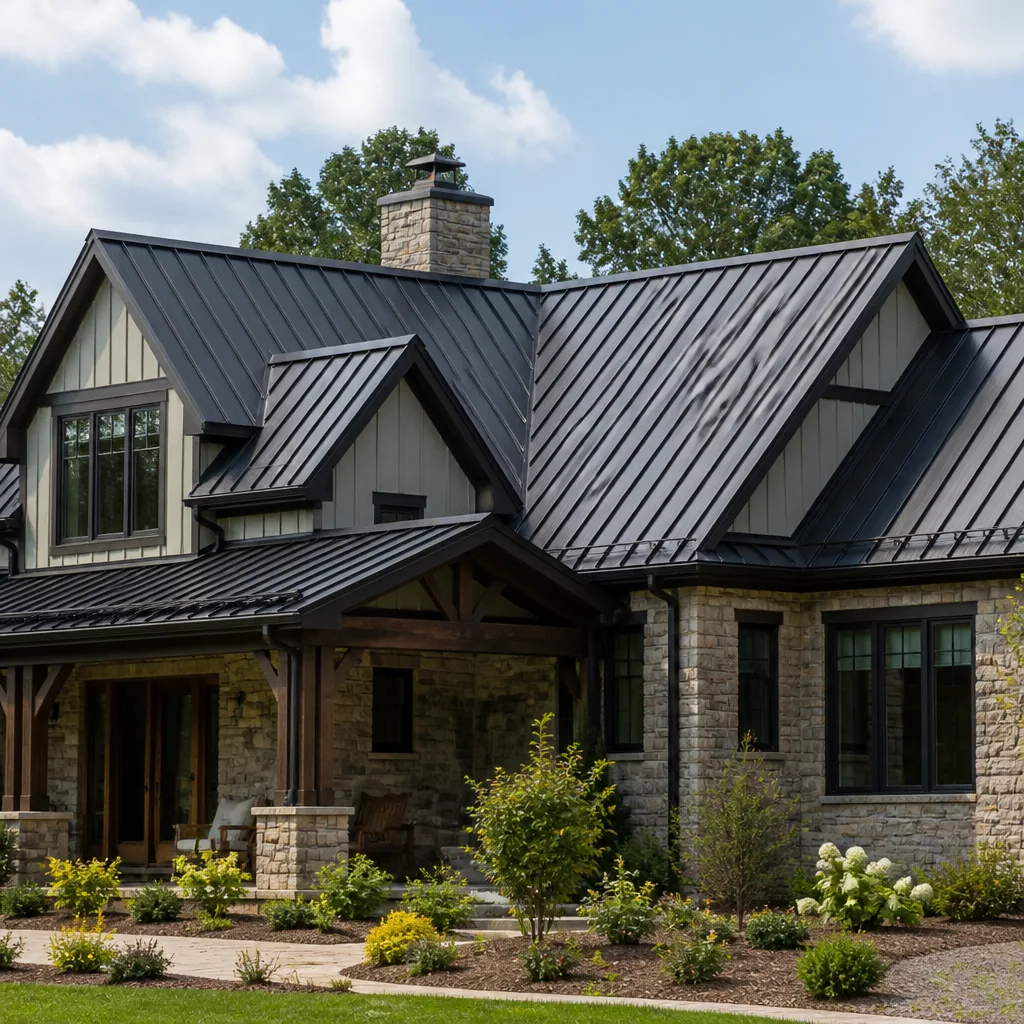 Metal roofing
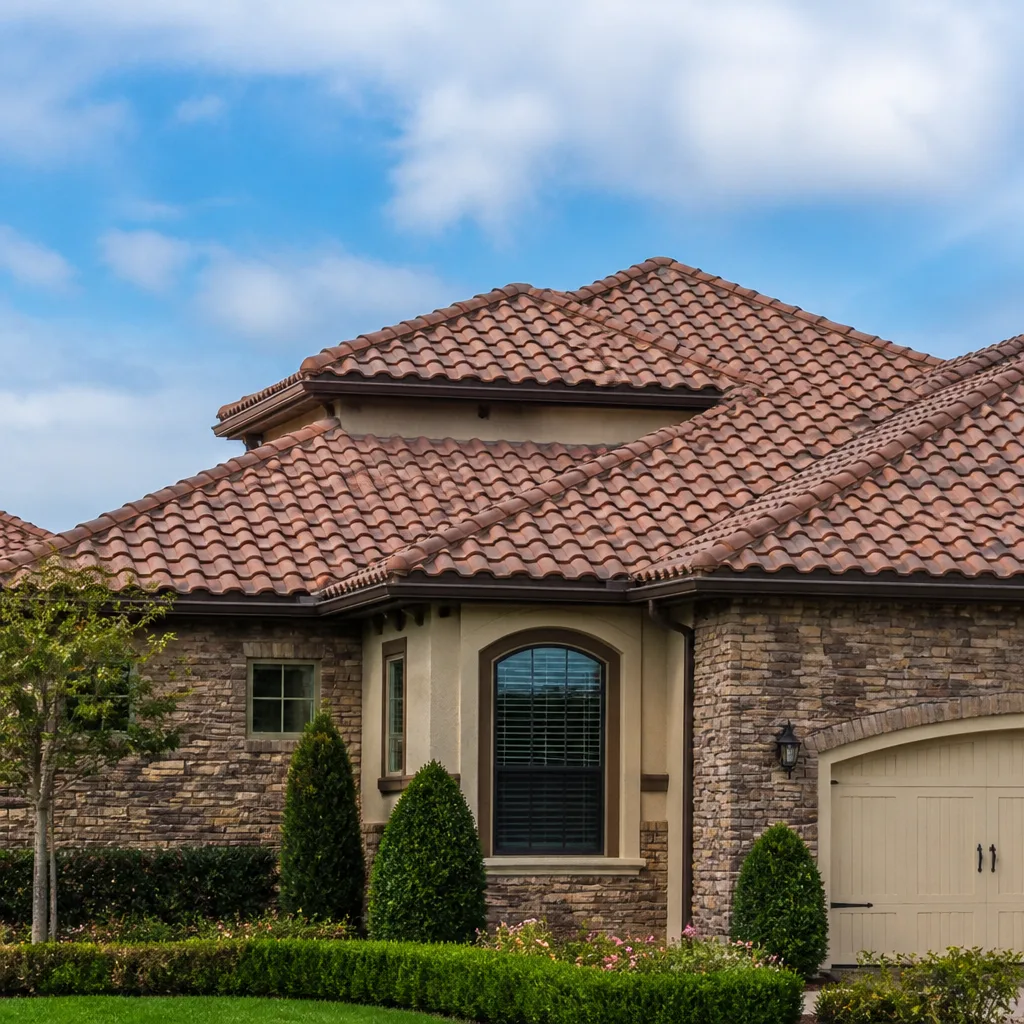 Tile roofing
 GAF
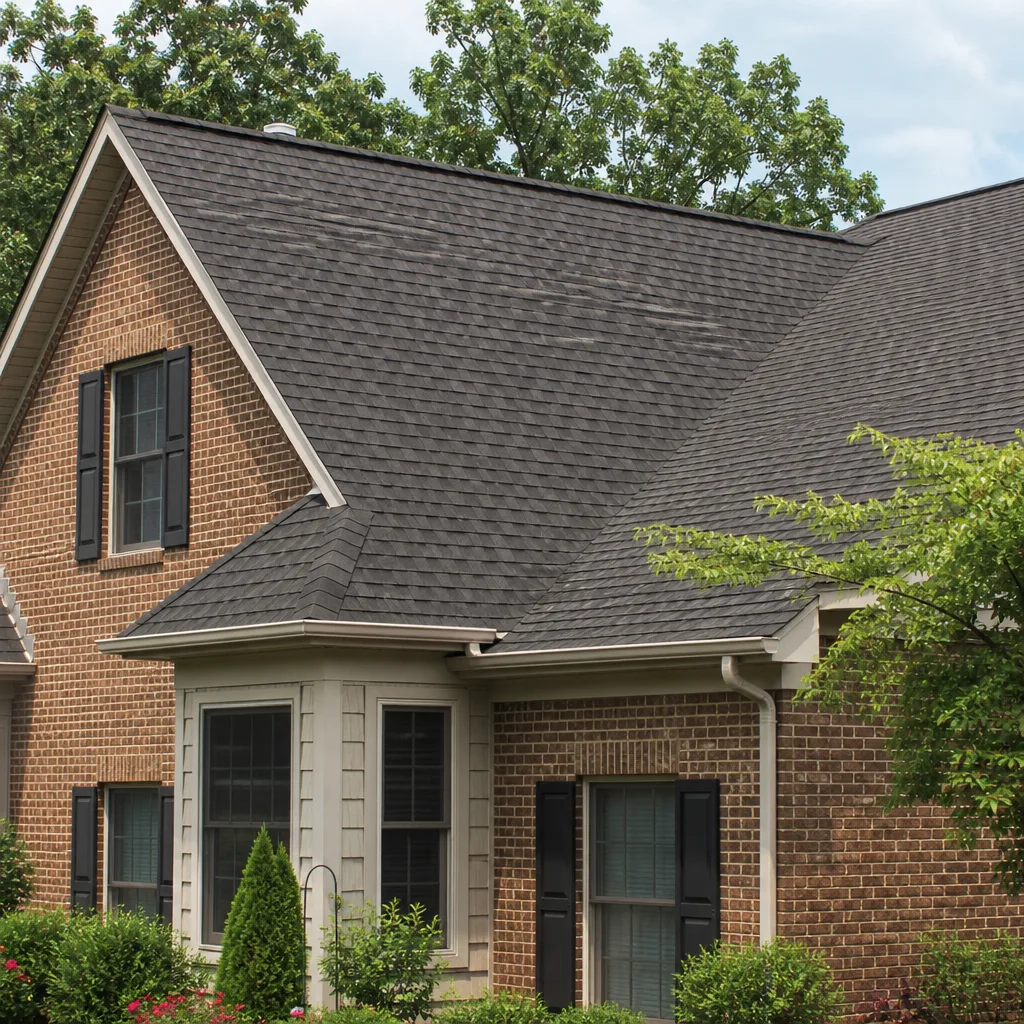 Owens Corning
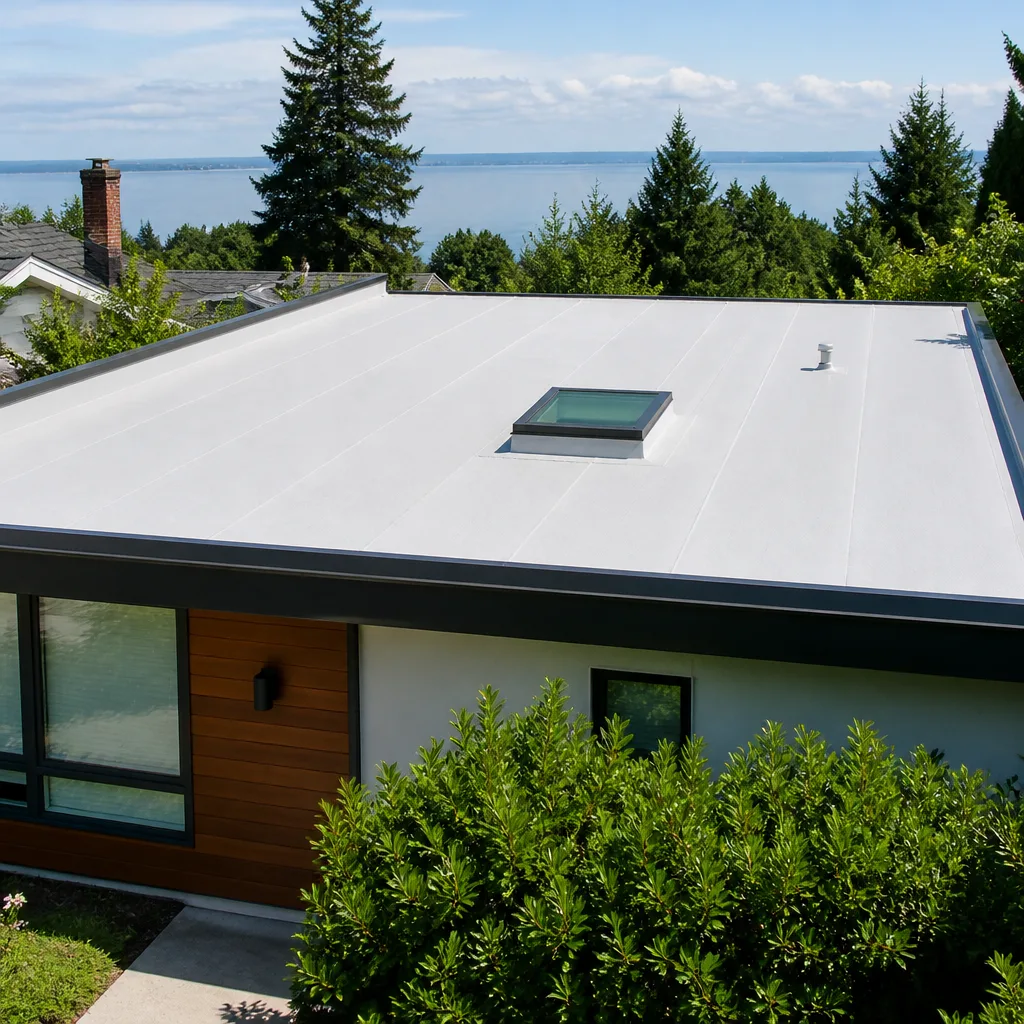 Flat & low-slope
Free roof inspection with deck photos before we talk money - GAF and Owens Corning certified installation
Roof Repair Troubleshooting in Yonkers: Common Problems and How to Fix Them
A ceiling stain that sits directly below a skylight almost never means the skylight itself is leaking. More often than not, the water is getting in at the flashing or counter-flashing where the skylight meets the roof, traveling sideways along the decking, and only showing up on your ceiling because that’s the last place it can go. The same pattern plays out again and again in Yonkers homes built in the 1920s and 1950s: what you see inside is the last stop on a journey that started somewhere else entirely. Our goal in this guide is to teach you how to read those symptoms, trace them back to the actual cause, and describe what you’re seeing to a roofer in a way that gets you an honest diagnosis rather than a patch in the wrong place.
Quick Answer
Most roof leaks we see in Yonkers come from flashing failures, worn pipe collars, open valleys, or wind-lifted shingles rather than the spot directly above the interior stain. The fix is a proper inspection that traces water back to its entry point, followed by a targeted repair. Patching the surface symptom without finding the source usually means paying for the same problem twice.
Styles & brands we work with
- Architectural shingles
- Metal roofing
- Tile roofing
- GAF
- Owens Corning
- Flat & low-slope
Table of Contents
- Your Symptom-to-Source Map
- How to Document Roof Damage Before Anyone Arrives
- The Five Most Misdiagnosed Roof Problems in Older Yonkers Homes
- Why DIY Roof Cement Patching Makes Things Worse
- How to Describe What You’re Seeing to a Roofer
- What a Yonkers Winter Does to a Bad Repair
- Inspection, Repair, or Replacement: Choosing Correctly
Your Symptom-to-Source Map: What Each Sign Actually Means
The fastest way to understand a roof problem is to stop looking at the symptom as the problem. What you see on the inside of your house is only where the water finally found room to show. In Yonkers, with our mix of steep roofs, dormers, and small attic spaces, the gap between where water enters and where it appears can be ten feet or more. Here’s how the common symptoms map to the source.
- Brown ceiling stains: Usually flashing or a failed pipe collar above, even if the stain is nowhere near either one. Follow the slope uphill, not straight up.
- Granule loss in gutters: Shingles shedding their protective surface. Some granule loss is normal on any asphalt roof, but heavy accumulation in fresh gutters points to shingles at the end of their life.
- Bubbling or peeling paint on interior walls: Often a sign of long-term moisture, not a plumbing issue. The paint is holding water pressure that shouldn’t be there.
- Daylight visible in the attic: A clear sign of a gap in the roof deck or at a penetration. This is a structural entry point even without visible water yet.
- Ice dams along the eaves: A sign of warm air escaping into the attic and melting snow unevenly, not a roof surface problem. The fix is usually ventilation and insulation, not more shingles.
- Lifted or curled shingle tabs: Can be age, can be wind damage, and can be a sign the shingles were installed with too few fasteners or in cold weather.
- Dampness or a musty smell in the attic: Usually moisture from a small leak that’s been getting in for a long time under the radar.
The single most useful mental habit here is following the water uphill. Water enters at the highest point it can, then runs down the rafters or deck until it hits something and either drips or soaks through the ceiling below. A stain in a second-floor bedroom in Yonkers may trace back to a chimney flashing halfway up the other side of the roof. That’s normal. That’s why an inspection that starts at the interior stain and works outward to the exterior is faster and cheaper than one that just starts on the roof and walks around looking for a hole.
How to Document Roof Damage Before Anyone Arrives
Good documentation is the difference between a contractor who has to make two trips and one who walks in with a solid starting hypothesis. You don’t need to get on the roof. In fact, don’t. What you can do is collect photos and notes from safe positions: the ground, the attic, the interior walls. Here’s how to do it in order.
- Walk the exterior from the ground. Stand back far enough to see the full slope, then walk the perimeter. Take wide shots first, then zoom. Note which face of the house shows the issues (front, back, which side).
- Photograph any soft spots or missing pieces at ground level. Missing shingles, sagging ridgelines, dangling fasteners, exposed nail heads. If it’s high or risky, skip it and let a roofer get it.
- Take a full ceiling shot before you clean the stain. Include landmarks so the roofer can orient: a light fixture, a window, a wall corner. They’ll want to know which side of the roofline that wall sits under.
- Photograph the attic if you have safe access. Look for dark water staining on the rafters, daylight between sheathing boards near penetrations, damp insulation, and any rusted or discolored nail tips poking through the deck. Those nail tips are often the clearest clue of a long-running leak.
- Write down the pattern. When does the stain grow? Only during steady rain, or after the rain stops? After wind-driven storms from a specific direction? Nearly all winter? This tells the roofer something photos can’t.
None of this replaces a professional inspection. But when you’ve done this work, the roofer arrives with a head start, and the conversation moves from “let’s see if we find something” to “let’s confirm what we suspect.” That’s a faster diagnosis and often a smaller repair scope.
The Five Most Misdiagnosed Roof Problems in Older Yonkers Homes
Houses built between 1920 and 1960 make up a large share of Yonkers neighborhoods, and they have structural quirks that trick even experienced eyes. Here are the ones we see misread most often, and what’s usually actually going on.
1. Chimney step flashing mistaken for shingle damage
Step flashing runs along the chimney wall in small L-shaped pieces tucked under each shingle course. When those pieces pull loose or were installed without proper counter-flashing above, water gets in along the chimney line. The visible shingles may be fine, but the customer has already been quoted a shingle repair by someone else. The repair is flashing, not shingles.
2. Skylight curbs leaking at the frame, not the glass
Water behind the interior trim of a skylight is almost always getting in at the curb flashing or the top edge where the skylight meets the roof. The glass panel itself is rarely the leak source. This is also one of the most common places a roofer can waste an hour if they assume the skylight unit needs replacement.
3. Valley leaks blamed on the shingles in the valley
On older Yonkers roofs with open or woven valleys, water can back up under shingles in the valley during heavy rain. The repair isn’t just shingles; it’s often a valley liner (ice-and-water shield or metal) that should have been in place from the start.
4. Roof deck rot mistaken for a plumbing issue
Water on an interior wall can read as plumbing, especially near bathrooms. When the pattern grows only during rain and dries during dry spells, it’s a roof problem, even if the stain sits low on the wall.
5. Ice dam damage blamed on shingles
Ice dams form at the eave when heat escaping into the attic melts snow that refreezes at the colder overhang. The shingles fail because water backs up under them, but replacing those shingles without fixing the attic ventilation and insulation just moves the failure up the slope next winter.
Why DIY Roof Cement Patching Makes Things Worse
Patching a leak with roofing cement, sealant, or a can of spray-on product can feel like a fast fix, and it often does stop visible dripping for a week or two. What it doesn’t do is fix the source. Behind the patch, water keeps entering at the same spot, and now it has less exit path, so it spreads laterally under the shingles and soaks the decking. A patch turns a small, well-defined leak into a wider, harder-to-find one.
There’s a hidden second cost. When a roofer shows up to inspect, they now have to remove the patch material to see what’s really going on, and any shingles damaged by the sealant have to be replaced too. What would have been a clean flashing repair becomes a larger scope.
The Yonkers winter matters here more than in most places. Water that gets behind a patch in October sits in place as temperatures drop. Freeze-thaw cycles push at every seam and edge, opening small gaps into larger ones. By the time a customer calls in February about a ceiling they can’t ignore, the original flashing issue has often spread to the decking and sometimes to interior framing. Repair when repair makes sense; a temporary patch rarely does.
How to Describe What You’re Seeing to a Roofer
You don’t need roofing vocabulary to get an accurate diagnosis, but you do need to be specific about symptoms. The difference between “my roof is leaking” and “we see a brown ring on the ceiling below the bathroom, it grows during steady rain within about an hour, and the stain hasn’t changed size in the last three weeks” is enormous. Here’s how to communicate in a way that gets a real scope instead of an upsell.
- Location of the symptom, precisely. Which room, which wall, which corner of the ceiling. If you can, note which exterior roofline sits directly above.
- Timing. Does the stain grow only during rain, after the rain, during snowmelt, or in a specific season?
- Wind direction on the days it gets worse. Water that only comes in during wind-driven rain from the east is entering in a specific place that differs from water that enters from a straight-down rain.
- Age of the roof, if you know it. This changes the likely cause and the repair scope.
- Any visible exterior damage you can photograph safely. Missing shingles, lifted flashing, a sagging gutter, a dark patch on the deck.
The rule of thumb we recommend: if the roofer starts quoting a full replacement before explaining what’s causing the leak, ask them to walk you through the cause first. A good inspection leads to a specific cause, then to the smallest repair that solves it. If the answer is replacement, the diagnosis should be able to explain why. Ashton Roof Repair handles roof repair and replacement under the same roof, which means there’s no incentive to push one over the other before the cause is clear.
What a Yonkers Winter Does to a Bad Repair
Roofs around here don’t get much of a rest. Between the wet autumn, the freeze-thaw cycles from December through March, and the occasional nor’easter that pushes water sideways into every gap, our roofs are under real pressure on a schedule most of the country doesn’t see. The result is that a marginal repair done in September either holds through the winter or fails visibly by January. Failure isn’t subtle; you’ll either see a new interior stain or a fresh shingle lifted off.
The places we see winter fail most often:
- Flashings around chimneys and skylights. Water freezes in tiny gaps at the flashing edges and pops the sealant or the metal loose.
- Pipe collar boots. The rubber boot around a plumbing vent ages and cracks. In summer it dries out; in winter it splits.
- Valleys. Water gets under shingles and refreezes, backing up further each cycle.
- Eaves and ice damming. Poor attic ventilation turns every snow into a backup situation along the bottom edge of the roof.
Winter damage also hides in the attic, so an inspection after a hard winter is worth the cost even when nothing is visibly wrong. When spring arrives, a fresh leak can quickly become a moisture problem in insulation and framing. The sooner a repair is done, the smaller the damage scope.
Inspection, Repair, or Replacement: Choosing Correctly
One of the hardest decisions a homeowner faces is whether the problem in front of them is a repair job or the start of a replacement. In our experience, most leaks and surface issues in houses under 25 years old resolve as targeted repairs. Older roofs closer to their expected lifespan often tip toward replacement, but even then, an inspection determines what’s actually failed and where. Here’s how we think about the choice.
When a repair is usually the right call
- The roof is under 15 to 20 years old and overall condition is sound.
- The problem is localized: a flashing, a pipe collar, a damaged valley, a handful of shingles.
- Decks and sheathing are intact around the leak site.
- The issue was caused by a specific event (wind, storm, impact) rather than age.
When replacement tends to be the honest answer
- Multiple leak sites across different areas of the roof.
- Widespread granule loss, heavy curling, or shingles that crack when handled.
- Multiple layers of old shingles that prevent a proper repair surface.
- Decking rot discovered across a large area.
- The roof has passed its expected service life for its material.
The way to get a straight answer here is to start with a full inspection, not a repair estimate. Ashton Roof Repair offers standalone roof inspections as a service, so a homeowner can get a real condition report without being pushed into a repair during the visit. From the first shingle to a full tear-off, that’s one company and one point of contact. When the time does come to choose materials, we work with GAF, CertainTeed, Owens Corning, and four more so we can compare products honestly against your roof and budget rather than steering you toward one supplier’s line.
Common Mistakes to Avoid
- Assuming the ceiling stain is directly below the leak. Water travels along decking and rafters, so an interior stain can sit ten or twenty feet downhill from the actual entry point. Trace it back uphill.
- Using roofing cement or sealant on an active leak. It masks the source and adds labor hours when the real repair is finally done. Any pro will have to remove the patch material first.
- Hiring a roofer who won’t walk the roof or the attic. A proper Yonkers inspection includes both. Anyone who diagnoses from the street is guessing.
- Replacing shingles without addressing flashing. If a leak is caused by a chimney or skylight flashing, new shingles won’t fix it. The flashing is the source.
- Chasing a low bid without a written scope. A verbal estimate with no line items is a problem waiting to happen. Ask for the scope in writing.
- Skipping the attic after a wet winter. Damp insulation and rafter staining don’t always show up as an interior stain right away. They’ll show up eventually as something bigger.
- Delaying a small repair into the next winter. A ten-dollar flashing problem becomes a decking repair when freeze-thaw gets a full season to work on it.
See the difference
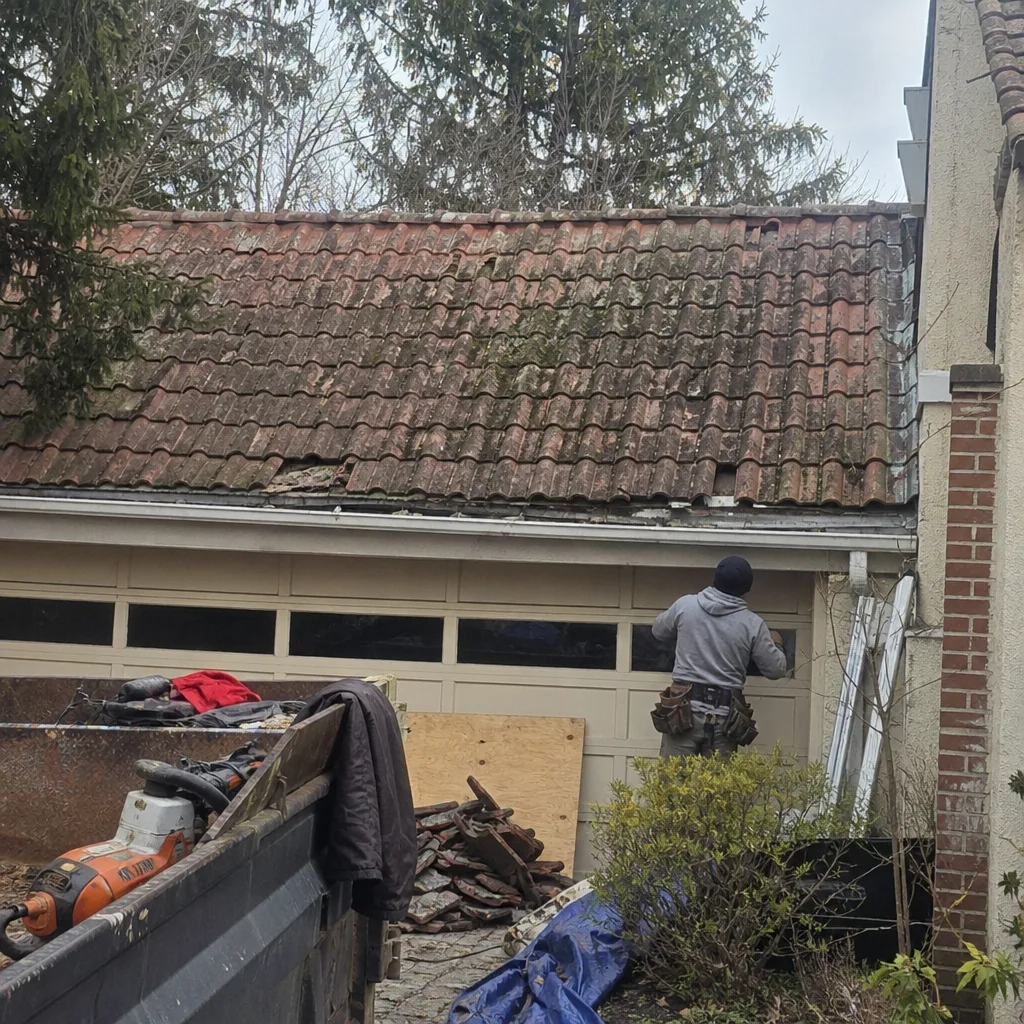 Before
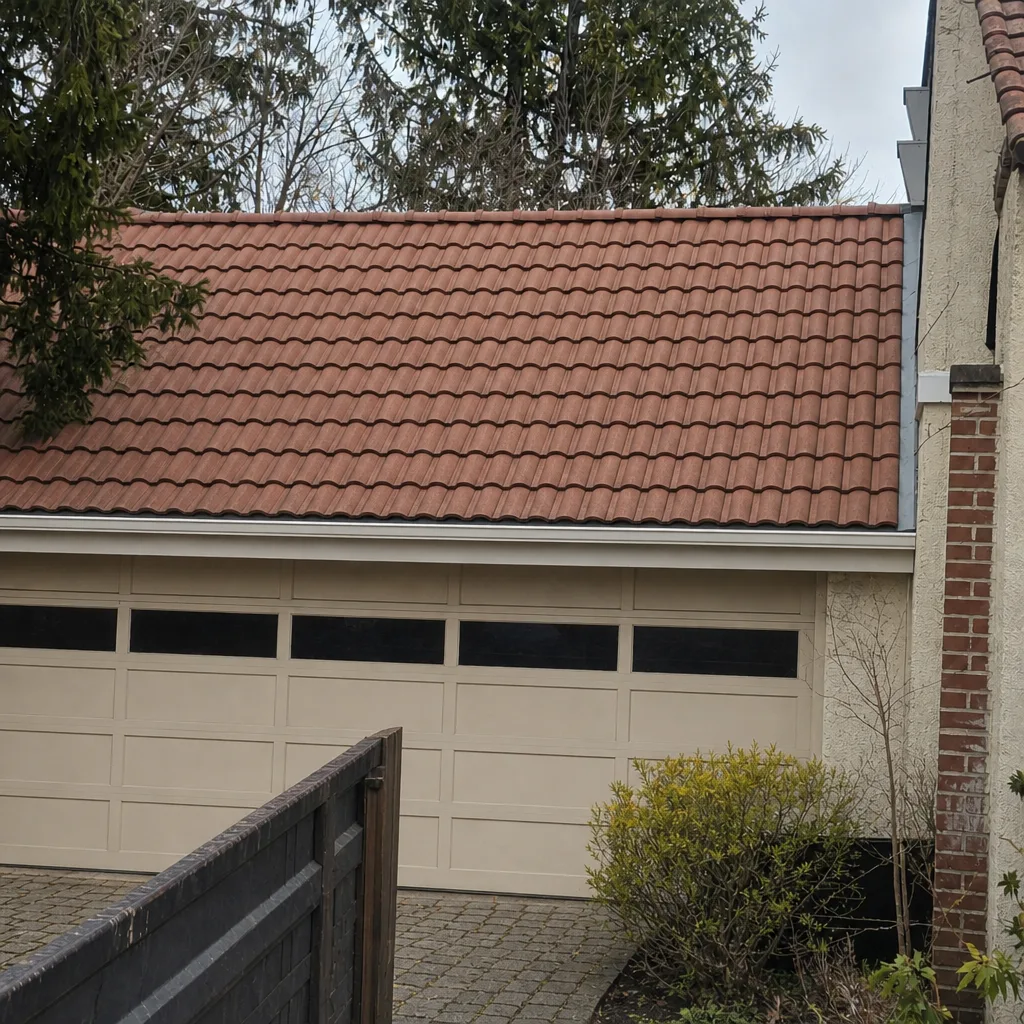 After
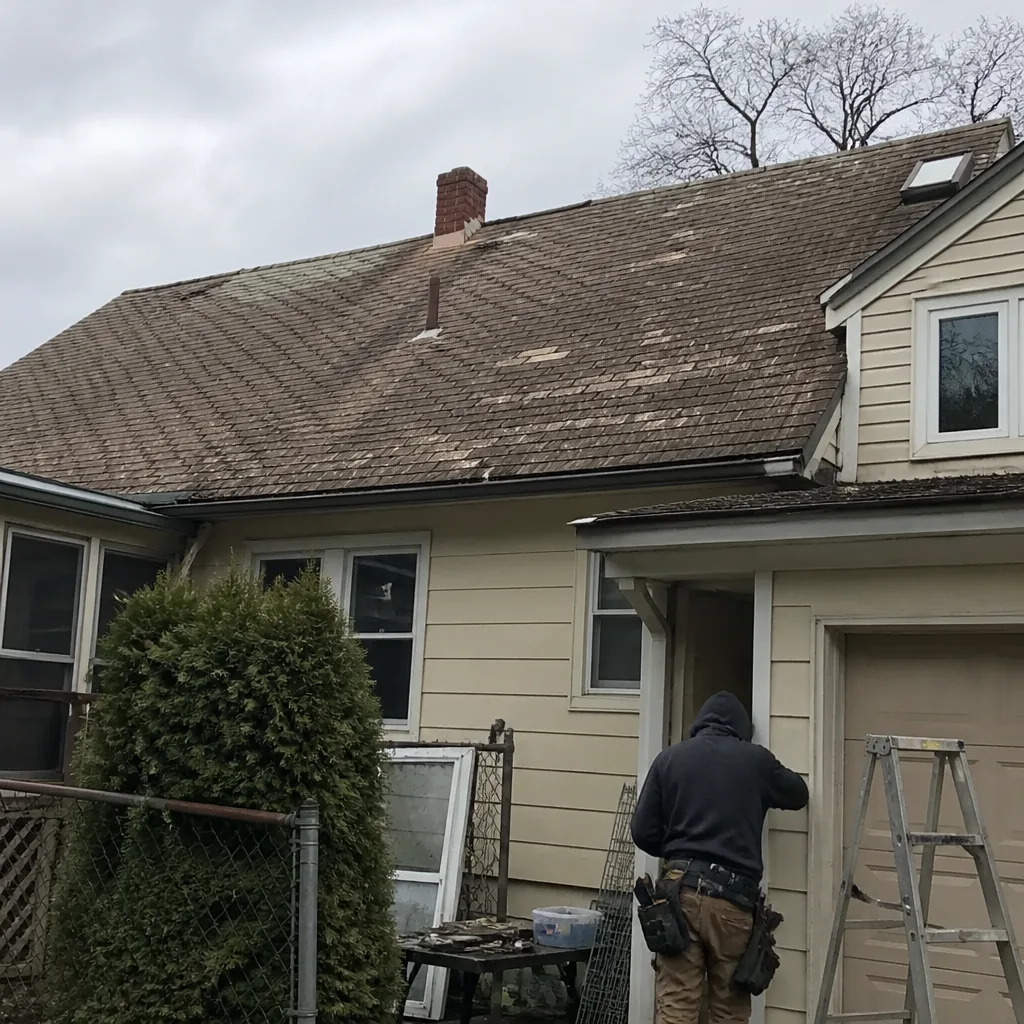 Before
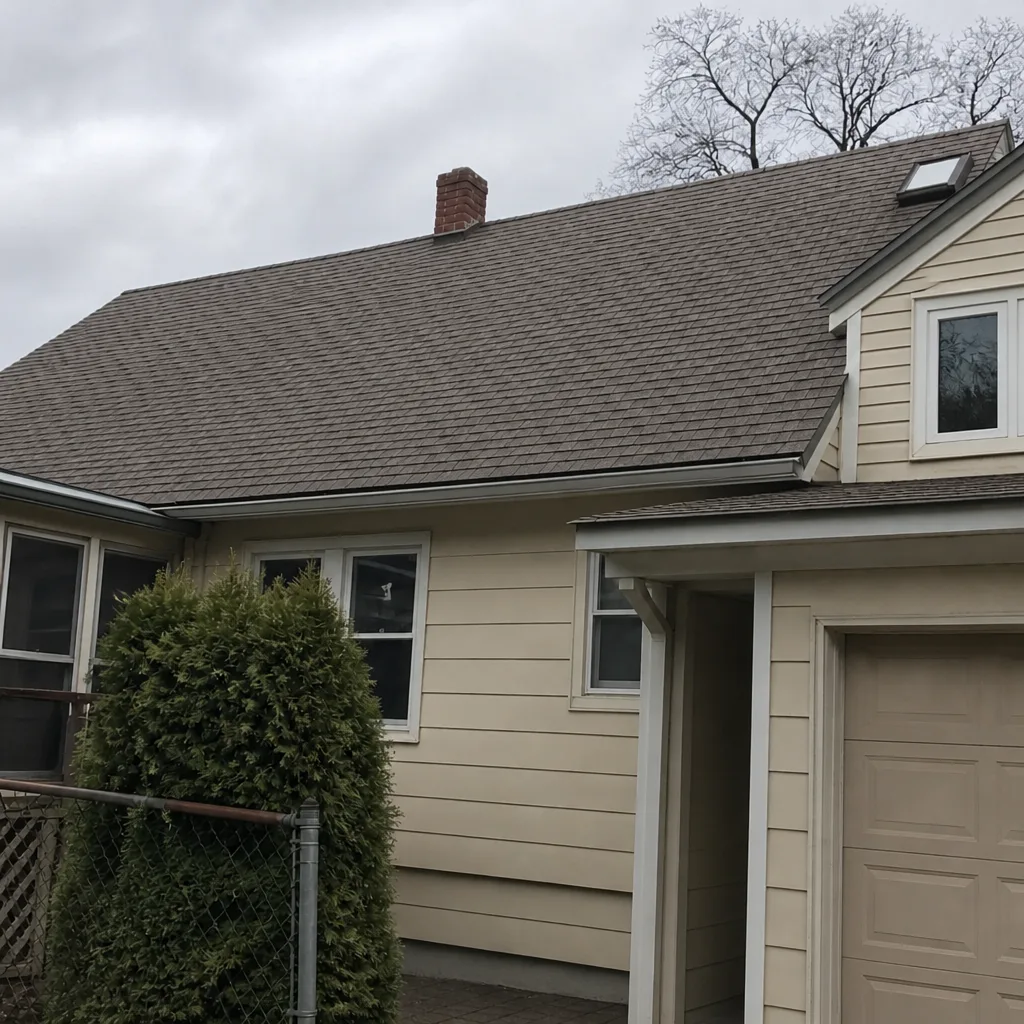 After
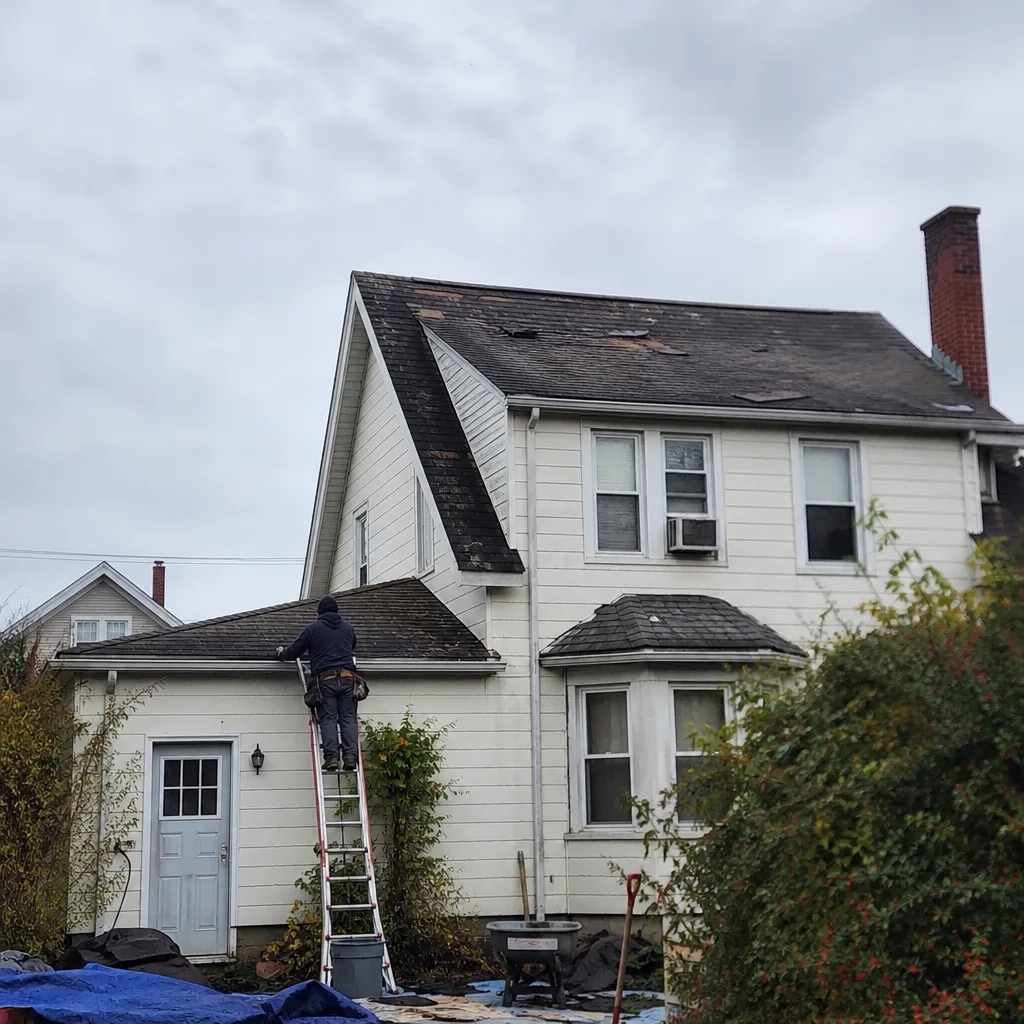 Before
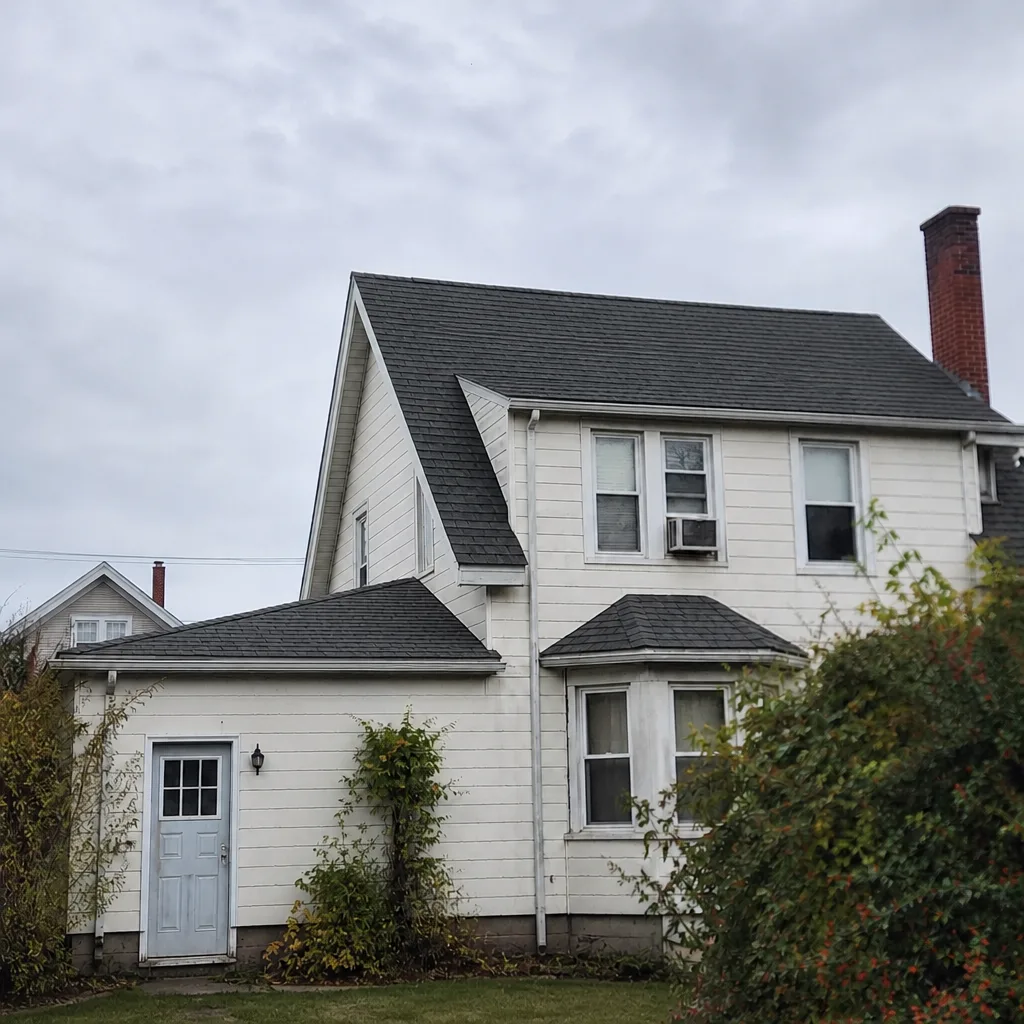 After
When to Call a Professional
Some roof problems can wait a few days for a scheduled visit. Others shouldn’t. Call a professional right away if you see any of the following: water actively dripping into an interior room, ceiling or wall paint bubbling, visible daylight through the roof deck from inside the attic, missing or lifted shingles after a storm, or a sagging roofline anywhere. These point to moisture already inside the structure or a compromised roof surface. Do not walk a roof with these signs. Wet shingles, steep pitches, and old decking are genuinely dangerous, and a fall from a Yonkers roof is not worth the information you’d gain. Trained technicians carry the right safety gear and can identify the cause from above safely.
Ashton Roof Repair offers free estimates in Yonkers. Call (833) 741-8977. We answer 24/7. Fast dispatch from 7am to 7pm, Sunday through Friday.
Frequently Asked Questions
Start inside, at the symptom, and work uphill to the exterior. Find the interior stain, then look at the exterior roofline directly above and slightly above it. Look at flashings, penetrations, and valleys first. A professional inspection follows that path faster using attic access and moisture readings. Call (833) 741-8977 to schedule a free estimate – the inspection is the fastest way to trace the leak to its actual source.
No. A leak that seems to stop during dry weather is still open and will restart the next time it rains or snows. The apparent pause is the weather, not a repair. In Yonkers winters, a leak that’s paused in the cold is usually getting worse, not better, as freeze-thaw opens the entry point season by season. Call (833) 741-8977 to book an inspection before the next storm cycle.
The price depends on the repair – a flashing repair and a valley repair are different scopes. The honest answer is that the estimate should be free, in writing, with line items for each part of the job. Call (833) 741-8977 for a free estimate on your specific repair.
It depends on the cause and the roof’s age. Localized problems on a sound roof (flashing, a pipe collar, a single valley) usually make sense to repair. Widespread shingle failure, multiple leak sites, or a roof past its service life usually makes replacement the honest answer. The only way to know is a full inspection before committing to either. Call (833) 741-8977 for a free estimate that includes a real diagnosis.
Freeze-thaw cycles open small gaps in flashing and shingle seams that were just barely holding through summer. Snow melt and refreeze push water into places straight rain doesn’t reach. A stain that grows in winter usually points to a flashing or seam failure, not a shingle surface problem. Call (833) 741-8977 to have it looked at before the next cold snap.
For repairs, most jurisdictions don’t require a permit, but full replacements often do. Ask your roofer to confirm with the Yonkers building department before work starts and to put that confirmation in writing on the estimate. Any repair that changes the roof structure or sheathing usually triggers a permit. Call (833) 741-8977 for a free estimate and a straight answer on what permits apply to your job.
Most localized repairs are completed in a single visit once the diagnosis is confirmed and materials are on hand. Repairs that turn up hidden decking damage or a flashing rebuild take longer. The inspection up front tells you what the scope actually is, so the estimate reflects reality. Call (833) 741-8977 for a free estimate.
A properly written estimate shouldn’t surprise you. If hidden damage turns up during the repair (which can happen under old shingles), a good roofer stops, documents what was found, and gives you a revised scope before proceeding. That’s the only fair way to handle changes. Call (833) 741-8977 for a free estimate in a written format you can compare.
The Bottom Line
The trick to roof troubleshooting in Yonkers is reading what you see as a clue, not a diagnosis. A ceiling stain, damp attic, or growth pattern points somewhere; the actual cause is usually up-slope, at a flashing, valley, or penetration, hidden under normal-looking shingles. Document what you can from the ground and the attic, describe the timing clearly, and let a trained roofer do the roof and attic walk. Repair when a repair makes sense; replace when the whole surface has reached the end of its service life. Ashton Roof Repair works with seven leading manufacturers, GAF, CertainTeed, Owens Corning, IKO, Atlas, Tamko, and Boral, so material recommendations come down to fit, not inventory. Every estimate is free and written. If you’re ready for an actual diagnosis, call (833) 741-8977. We answer 24/7. Fast dispatch from 7am to 7pm, Sunday through Friday.
Written by the team at Ashton Roof Repair, serving Yonkers since 2012.