
Last updated November 14, 2026
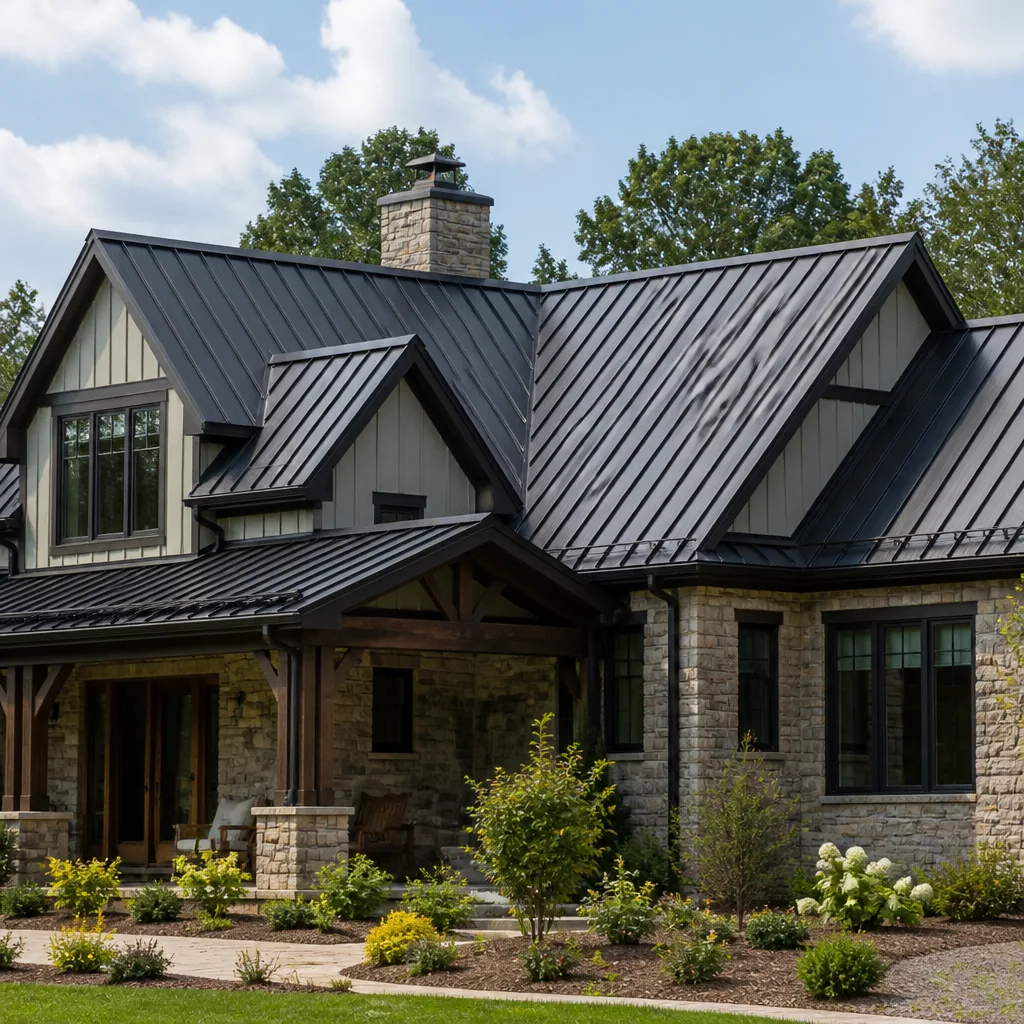 Metal roofing
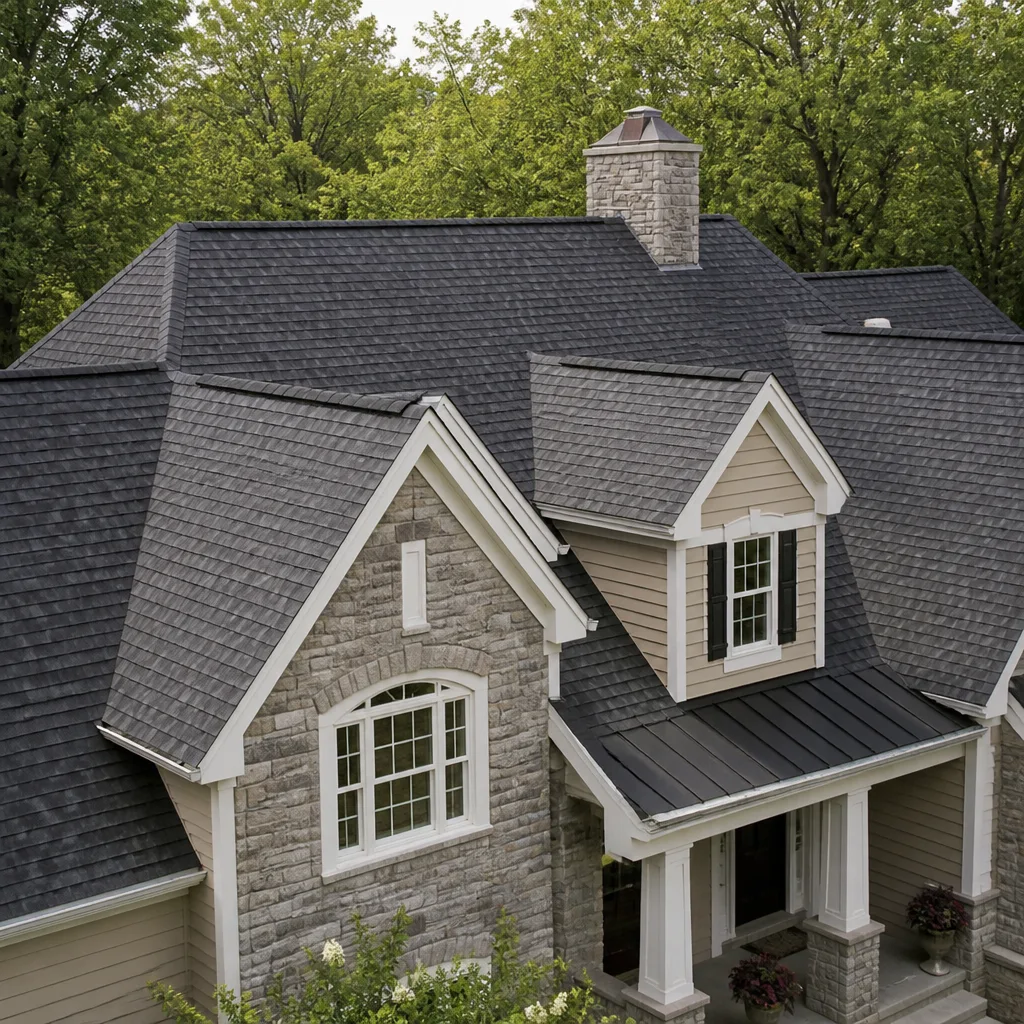 Architectural shingles
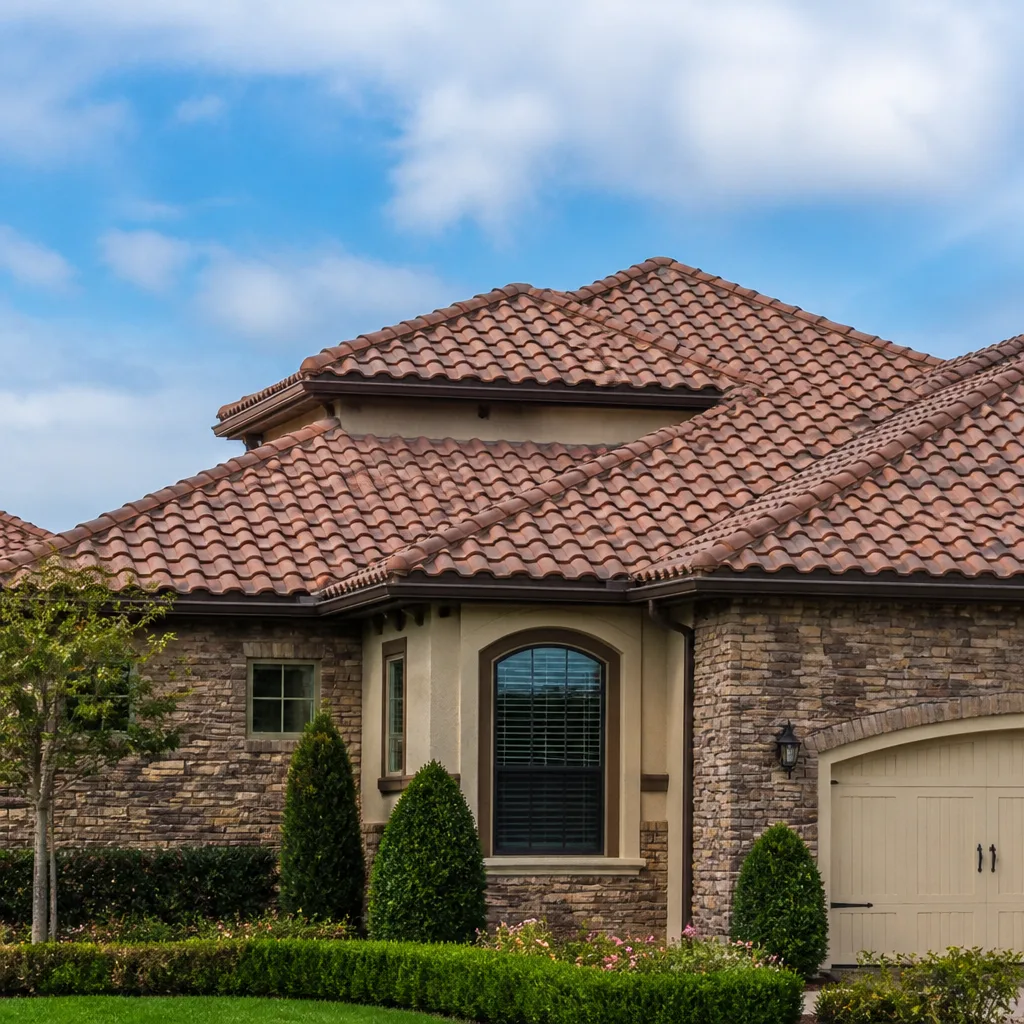 Tile roofing
 GAF
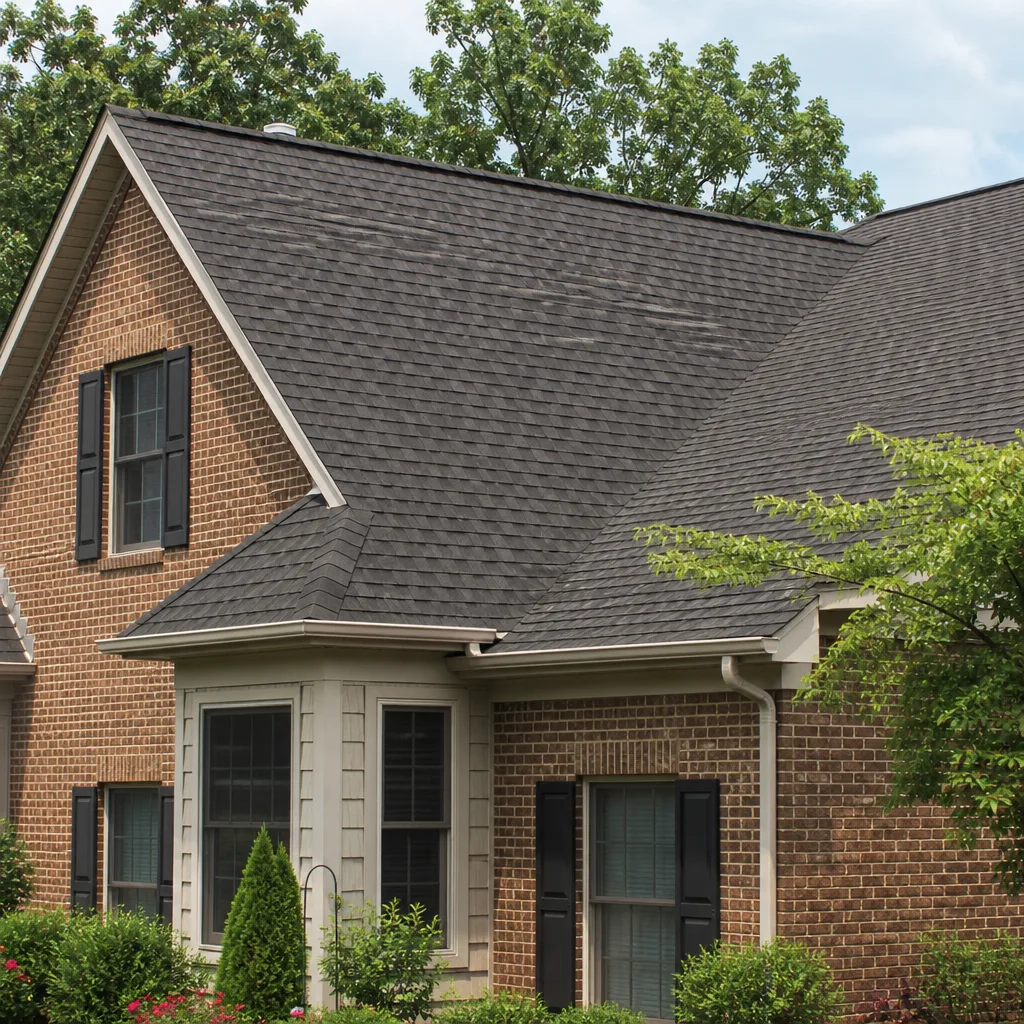 Owens Corning
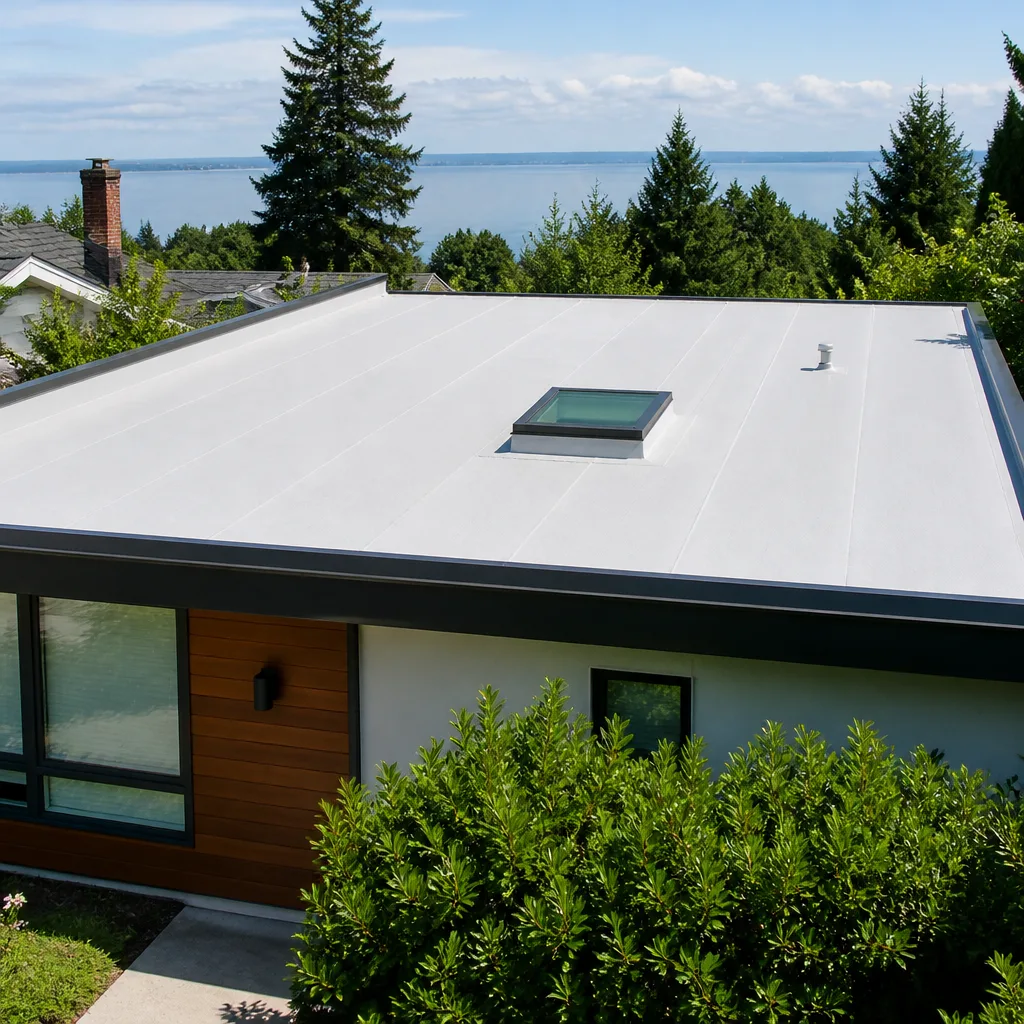 Flat & low-slope
Free roof inspection with deck photos before we talk money - GAF and Owens Corning certified installation
Roofing Cost Breakdown: The Yonkers Homeowner’s Reference for 2026
Three homeowners on the same block, three similar roofs, three very different quotes. One comes in around $9,200, another $13,400, and the third $17,800. Most people assume the low number hides corner-cutting and the high number buys the best work. The real story usually lives in the line items each contractor chose to show or skip. This guide breaks down what a roofing estimate in Yonkers should contain, line by line, with 2026 price ranges, so you can tell a scope gap from a fair premium and price your roof with confidence.
Quick Answer
A full roof replacement on a typical Yonkers single-family home in 2026 generally runs from roughly $9,000 to $22,000, with most jobs landing between $12,000 and $17,000 depending on roof size, pitch, material tier, and how much decking repair the tear-off reveals. Repairs are smaller and priced per job, often in the few-hundred to low-thousands range. The written line-item estimate, not the headline number, is what actually sets your final price.
Styles & brands we work with
- Architectural shingles
- Metal roofing
- Tile roofing
- GAF
- Owens Corning
- Flat & low-slope
Table of Contents
- How much does a roof cost in Yonkers in 2026?
- What a Yonkers roofing estimate should contain, line by line
- Why labor costs in Yonkers run higher than national averages
- How material choice shifts the total, and what estimates hide
- Fixed costs vs. trade-off costs: where you can actually save
- How to compare multiple quotes without getting fooled
- A step-by-step look at how a Yonkers roof job runs
- Common mistakes to avoid
How much does a roof cost in Yonkers in 2026?
For a standard asphalt shingle replacement in Yonkers in 2026, expect a typical range of about $9,000 to $22,000, with the bulk of homes settling between $12,000 and $17,000. The spread is real, not marketing noise. A modest Cape Cod in the northern part of the city with a simple gable roofline sits toward the lower end. A larger colonial with multiple valleys, dormers, and steep pitches lands toward the top. When you request roof replacement estimates, ask each contractor to quote the same scope so the numbers are actually comparable.
The biggest swing factor is roof size measured in squares, where one square equals 100 square feet of finished roof surface. A 1,800-square-foot footprint might carry 22 squares of actual roof because of pitch and hips. The second factor is decking condition, which nobody can see until the old shingles come off. Third is material tier. Fourth is access, and in a dense city like Yonkers that matters more than most homeowners realize.
- Small, simple roof (roughly 15-20 squares): $9,000-$13,000
- Mid-size roof with some complexity (roughly 20-28 squares): $13,000-$17,000
- Large or complex roof (28+ squares, steep or cut-up): $17,000-$22,000 and up
- Targeted repair rather than replacement: priced per job, often the few-hundred to low-thousands range
These are estimated ranges for planning. The only number that binds is the one on your written estimate after an inspection.
What a Yonkers roofing estimate should contain, line by line
A trustworthy Yonkers roofing estimate separates the work into visible line items so you can see exactly what you’re paying for. If a quote is a single lump sum with no breakdown, ask for the detail before you compare it to anything else. Here’s what each line should cover and what the 2026 ranges look like.
- Tear-off and removal: Stripping the existing shingles and underlayment down to the deck. Usually one to three layers. Priced by the square, roughly $90-$200 per square depending on layers and disposal.
- Disposal and dumpster: Hauling old shingles and debris. Roughly $500-$1,200 for a typical Yonkers roof, higher where parking and staging are tight.
- Decking inspection and repair: Checking the sheathing for rot or soft spots. Repairs are priced per sheet of plywood or board, often $75-$150 per sheet for material and labor, and this is the line most often left vague until the tear-off reveals the truth.
- Underlayment: The water-resistant layer beneath the shingles. Synthetic underlayment typically runs about $10-$25 per square installed; ice-and-water membrane in valleys and at eaves adds more.
- Shingles: The main material line, priced per square installed including labor and accessories. Ranges from roughly $350-$550 per square for entry-level lines up to $700-$1,000 per square for premium architectural shingles.
- Flashing: Metal at chimneys, walls, valleys, and skylights. Roughly $200-$800 depending on how many penetrations your roof has. This line is critical and often skipped in cheap quotes.
- Ventilation: Ridge vents, soffit vents, or intake correction. Roughly $300-$900. Under-ventilated roofs cook from the inside and fail early.
- Permits and inspection: Yonkers, like most municipalities in the region, requires a permit for a roof replacement, and the cost of pulling it and passing inspection should appear as its own line.
Every one of those lines belongs in a written estimate. Our roof repair and replacement quotes are itemized this way for exactly this reason: you should be able to see where the money goes before you sign anything, and the written estimate is what sets the final price.
Why labor costs in Yonkers run higher than national averages
Roofing labor in Yonkers costs more than the national average, and it’s not because contractors are padding bills. It’s structural. Westchester County wage norms push crew pay above what you’d see in many parts of the country. Add the realities of working in a dense, older city and the labor premium starts to make sense.
Parking and access lead the list. In neighborhoods like Getty Square, Nodine Hill, and the streets off Broadway, a dumpster placement and material delivery can eat an hour before anyone touches a shingle. Crews may need to carry bundles up fire escapes, through narrow side yards, or hand-load from a street spot a block away. That time is real, and it shows up in the labor line. Then there’s permit turnaround. Pulling a permit and scheduling an inspection takes coordination and office time that a cheap quote often omits entirely.
Yonkers housing stock adds a third layer. Many homes date to the early and mid-20th century, which means multiple roof layers, uneven decking, and modifications made by generations of previous owners. A roofer who plans for surprises builds a small contingency into the estimate rather than discovering them mid-job. Roofing here also contends with a varied climate: humid summers, freeze-thaw cycles in winter, and nor’easters that test every flashing detail. Work that holds up to that pattern takes more care, and care costs time.
None of this means the highest quote is automatically the right one. It means labor differences between contractors usually trace back to how much they’re accounting for. A quote that’s dramatically below the others often reflects a crew planning to skip the permit, the decking repair, or the ventilation. Call (833) 741-8977 to talk through a line-item estimate for your specific roof.
How material choice shifts the total, and what estimates hide
The shingle brand on your roof matters less than the tier within that brand’s line, and this is where most estimates get murky. Entry-level, mid-range, and premium architectural shingles differ not just in price per square but in warranty terms and how soon you’ll likely be replacing them again. A quote comparing two shingles by price alone is hiding the part you’ll feel in ten years.
We install across seven major manufacturers, including GAF, CertainTeed, Owens Corning, IKO, Atlas, Tamko, and Boral. That range matters here. When a roofer works only one supplier’s products, the recommendation tends to match the inventory rather than your roof. Because we install competing lines side by side, we can compare them honestly on the things that actually decide cost over time.
- Entry-level three-tab or value architectural shingles: lower upfront, shorter warranty, and a higher chance of needing replacement sooner. Fine for a rental property or a roof you plan to redo within a defined window.
- Mid-range architectural shingles: the sweet spot for most Yonkers homes. Solid wind and impact resistance, longer warranty terms, and a price that doesn’t balloon the job.
- Premium designer or impact-rated shingles: highest upfront, best warranty, and the longest service life. Worth the premium on complex roofs where the labor to redo them later is highest.
The hidden variable is warranty terms. A strong manufacturer warranty can be voided by installation shortcuts, like nailing patterns that miss the spec or skipping the underlayment the warranty requires. The brand matters less than the installation matching its terms, and that’s a question to ask every contractor. Our Ashton Roof Repair estimates spell out both the product line and the manufacturer warranty attached to it.
Fixed costs vs. trade-off costs: where you can actually save
This is the distinction that separates an informed homeowner from a confused one. Some cost variables in a Yonkers roofing job are genuinely fixed. Others are places where you can make a trade-off without compromising the roof. Knowing which is which is how you negotiate intelligently instead of just picking the middle quote.
Fixed costs include the permit, the inspection, the disposal, and the decking repair the tear-off actually reveals. You can’t skip these without creating a worse problem later. If a contractor offers to drop the permit to save you money, that’s a red flag, not a deal. The decking line is also fixed in the sense that it’s driven by what’s physically there, though asking for a per-sheet price upfront protects you from surprise markups.
Flexible costs are where trade-offs live. The shingle tier is the biggest one. Choosing a mid-range architectural shingle over a premium designer line can save meaningfully without compromising performance on a standard roof. Ventilation type, flashing material (standard metal versus upgraded), and the number of layers removed are also places where you can make an informed call. What you shouldn’t flex on is underlayment quality or proper flashing detail, because those are exactly the items that cause leaks and expensive repairs down the road.
Ask your contractor to show you which lines are fixed and which are choices. A good roofer will separate them without being asked. Repair when repair makes sense, replace when it doesn’t: in Yonkers, we’ve walked plenty of roofs where a targeted repair was the honest answer and a replacement was the upsell. Our Yonkers inspection service exists precisely so you can get that honest read before committing to either.
How to compare multiple quotes without getting fooled
Multiple quotes only help if they’re comparable. The number that matters isn’t the total; it’s whether each contractor quoted the same scope. The safest method is to hand every contractor the same written scope and ask them to price against it line by line.
- Write down the scope once. List tear-off, decking, underlayment, shingles, flashing, ventilation, permit, and disposal as required line items. Give the same list to every contractor.
- Require itemized quotes. A lump-sum number tells you nothing about what’s included. If a contractor won’t break it down, that itself is information.
- Compare like to like. If the same line item differs wildly between quotes, either the scope is different or something’s missing. Identical line items should land in a similar range across qualified contractors.
- Flag the outliers. A quote dramatically below the others usually means a skipped permit, underlayment, or ventilation line. A quote dramatically above should explain what extra value justifies it, in writing.
- Ask about decking contingency. Since nobody knows deck condition until tear-off, ask each contractor how they price unexpected repairs per sheet, before the job starts.
- Confirm permits and warranty in writing. Verify the quote states who pulls the permit and what manufacturer warranty applies, and that installation meets the terms.
Do this and the $9,200, $13,400, and $17,800 quotes on the same block stop being mysterious. You’ll see which one skipped a line, which one priced the whole job, and which one padded a premium without a reason. Call (833) 741-8977 for a free line-item estimate you can compare against the rest.
A step-by-step look at how a Yonkers roof job runs
Knowing the sequence helps you spot a contractor cutting corners, and it helps you plan around the noise, the dumpster, and the parking. A typical Yonkers replacement moves in this order.
- Inspection. A walk-through of the roof, attic, and flashing details. This is where the honest diagnosis happens: repair versus replace. We offer standalone inspections so the assessment stands on its own, without a repair purchase attached.
- Written estimate. The itemized quote, including the decking contingency and permit line, with the final price set by that written estimate.
- Permit and scheduling. The contractor pulls the permit and coordinates delivery, a dumpster spot, and crew access. In dense parts of Yonkers, this step takes the most planning.
- Tear-off and deck inspection. Old shingles and underlayment come off. Soft or rotted sheathing is identified and priced per sheet for repair.
- Underlayment and flashing. Water barrier goes down, then metal flashing at chimneys, valleys, and walls. This is the detail that decides how the roof handles winter freeze-thaw and summer storms.
- Shingle installation and ventilation. Shingles go on to the manufacturer’s spec, and ridge or intake ventilation is corrected so the roof can breathe.
- Cleanup and final inspection. Debris cleared, nails swept, magnetic pass for stray fasteners, and the municipal inspection scheduled and passed.
If a contractor skips any of these steps, particularly the permit or the flashing detail, the price you save now becomes a repair you pay for later. Roofing here has to handle humid summers and nor’easters, and the process is what makes that hold.
Common Mistakes to Avoid
- Comparing total prices instead of line items. A single lump-sum quote hides what’s included. Insist on itemized estimates so you can compare the actual scope.
- Choosing the lowest bid without checking the permit line. Yonkers requires a permit for replacement work, and a cheap quote that skips it leaves you exposed. Ask who pulls it before you sign.
- Skipping the decking contingency conversation. Nobody knows deck condition until tear-off. If the contractor won’t say how they’ll price unexpected repairs per sheet, you’re set up for a surprise.
- Letting shingle brand drive the decision over shingle tier. A premium brand’s entry line can be worse value than a mid-range shingle from another manufacturer. Compare tiers, not just names.
- Ignoring ventilation in the quote. A new roof over a badly vented attic will age faster, and ventilation is often the first line dropped from a cheap bid. Make sure it’s priced.
- Paying for a repair that was really a replacement upsell. If every contractor on a small leak is pushing a full replacement, get an independent inspection first. Repair when repair makes sense.
- Not asking about access and staging costs. In dense Yonkers neighborhoods, parking and hand-loading labor can add real cost. A quote that ignores it may pad it in later.
See the difference
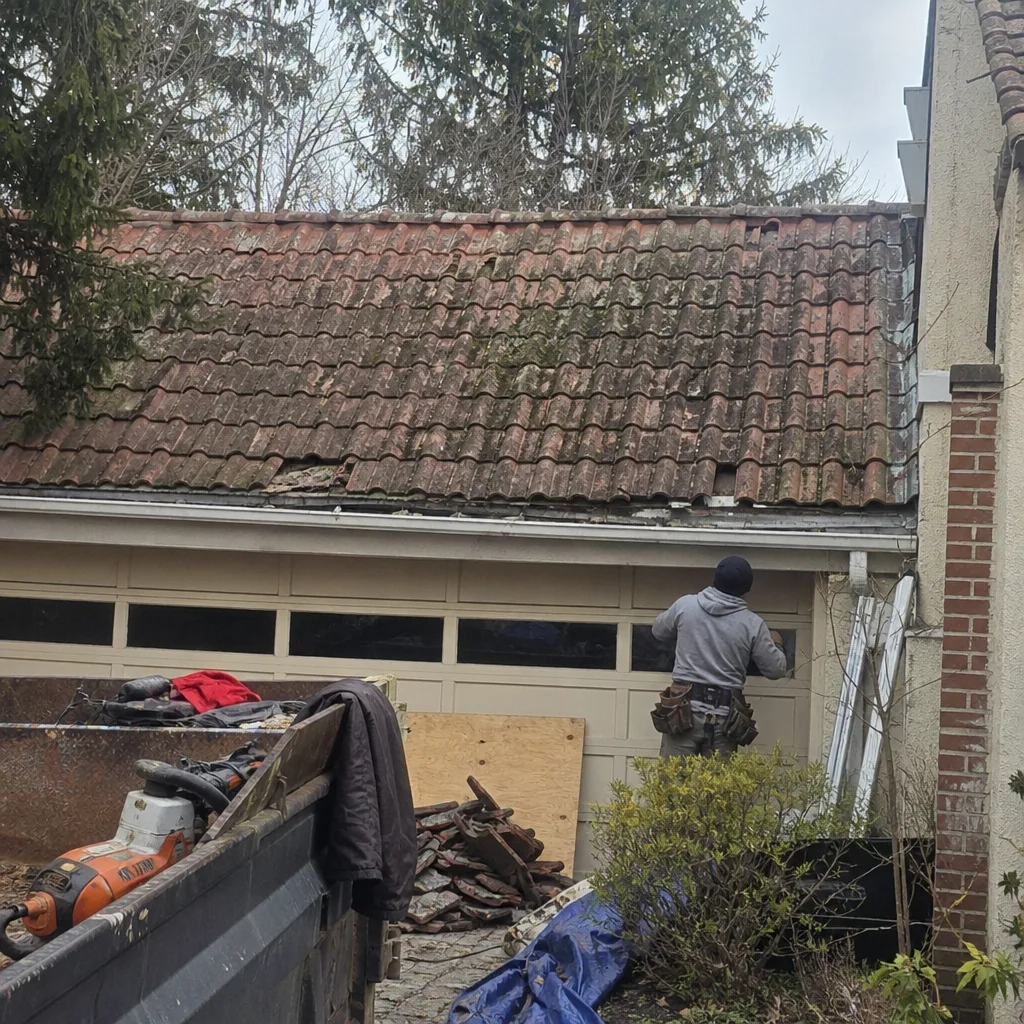 Before
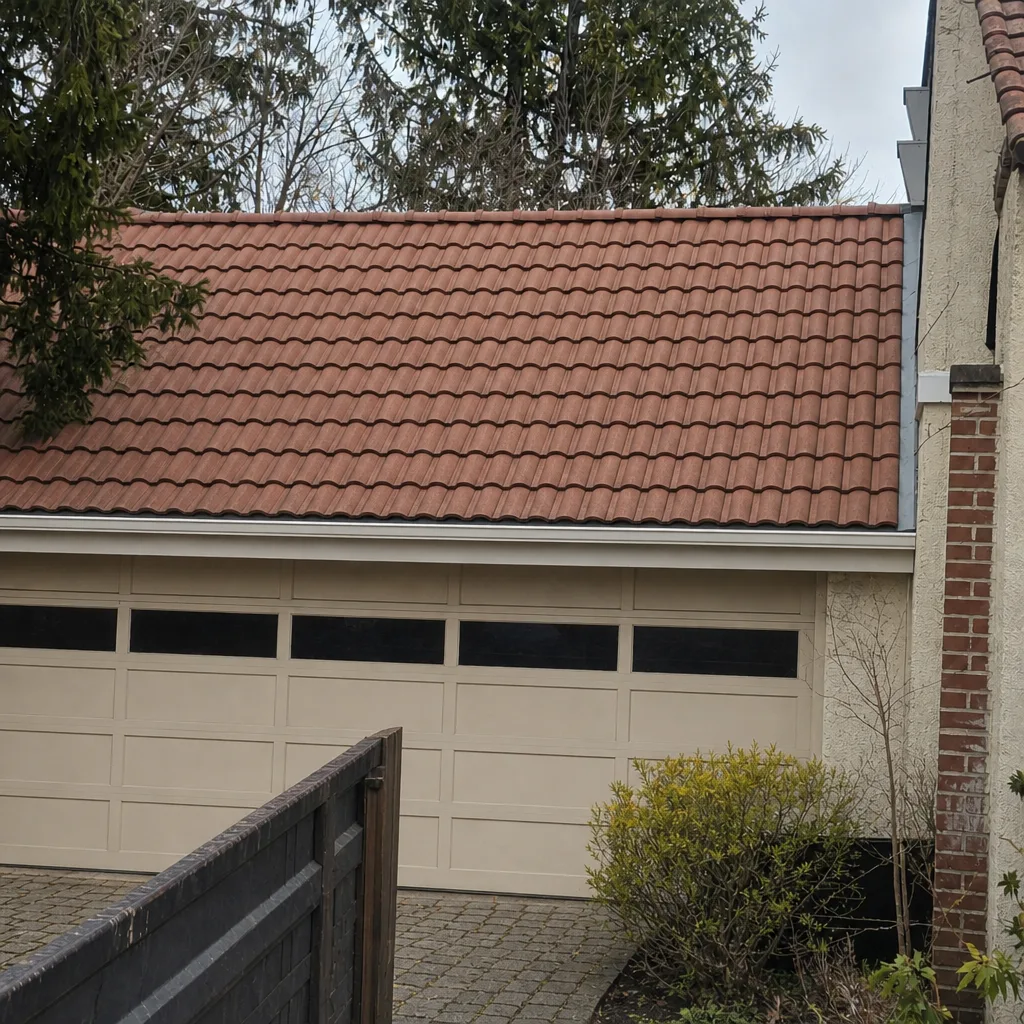 After
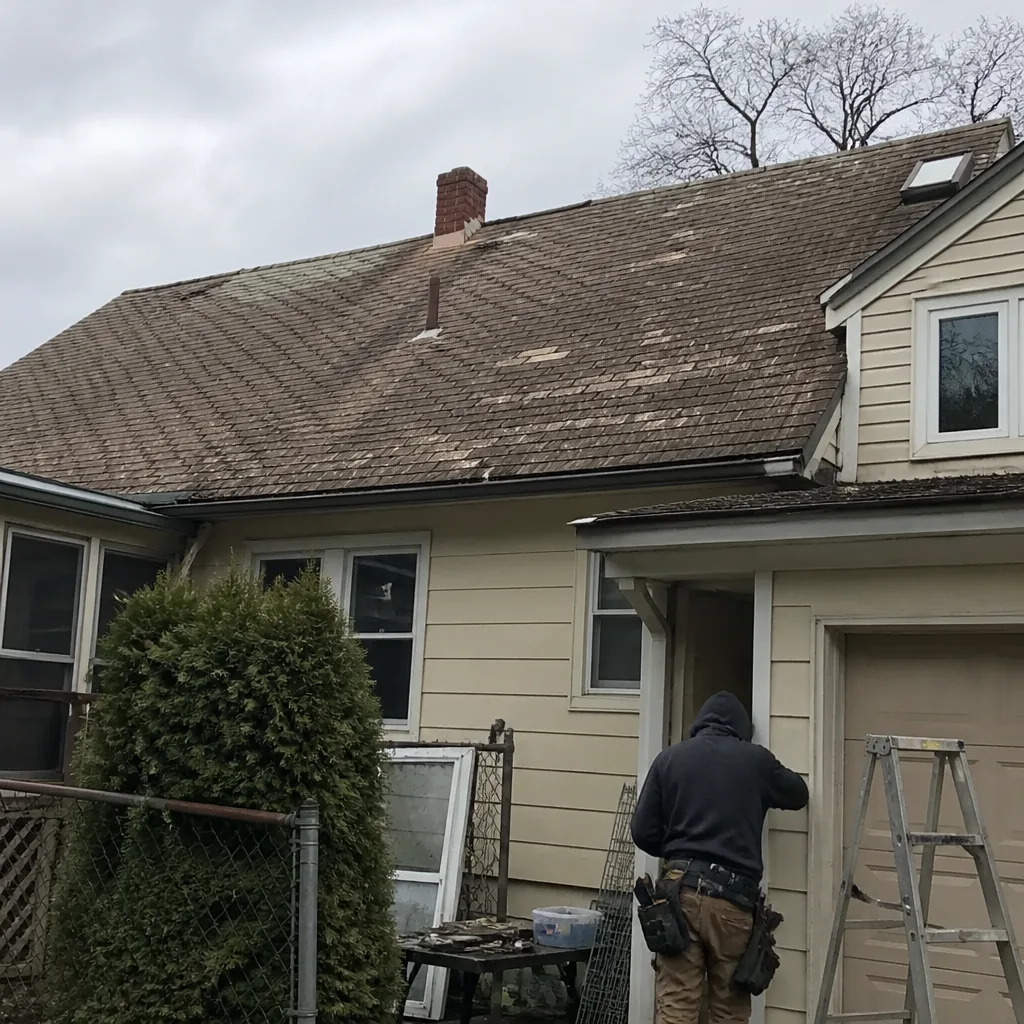 Before
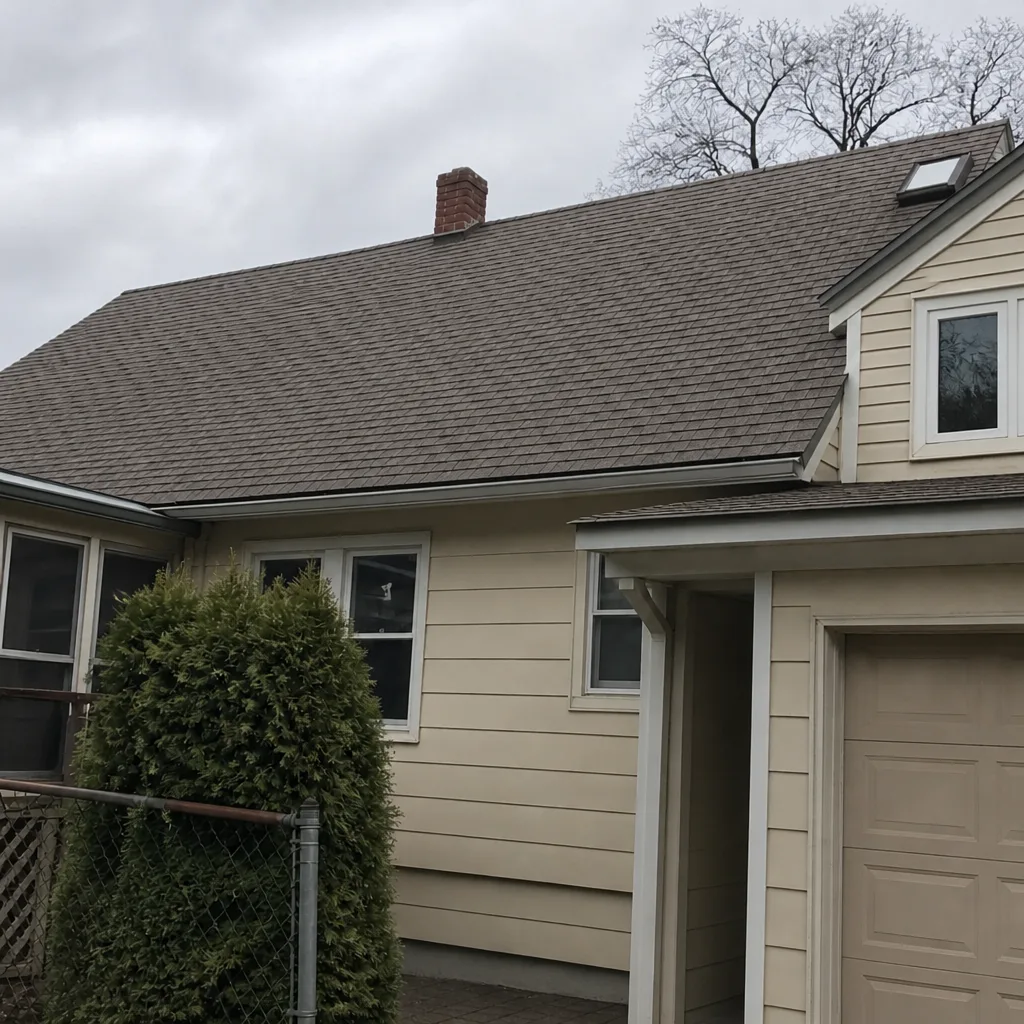 After
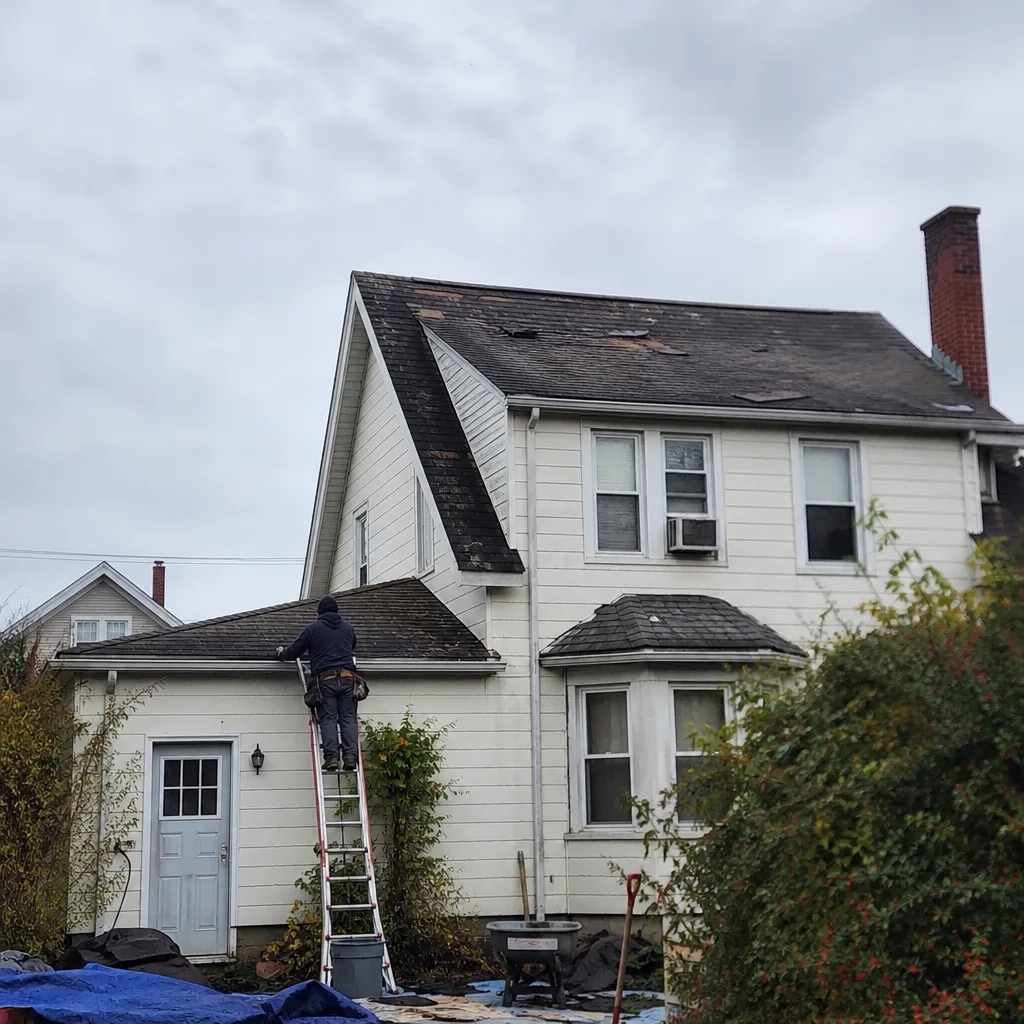 Before
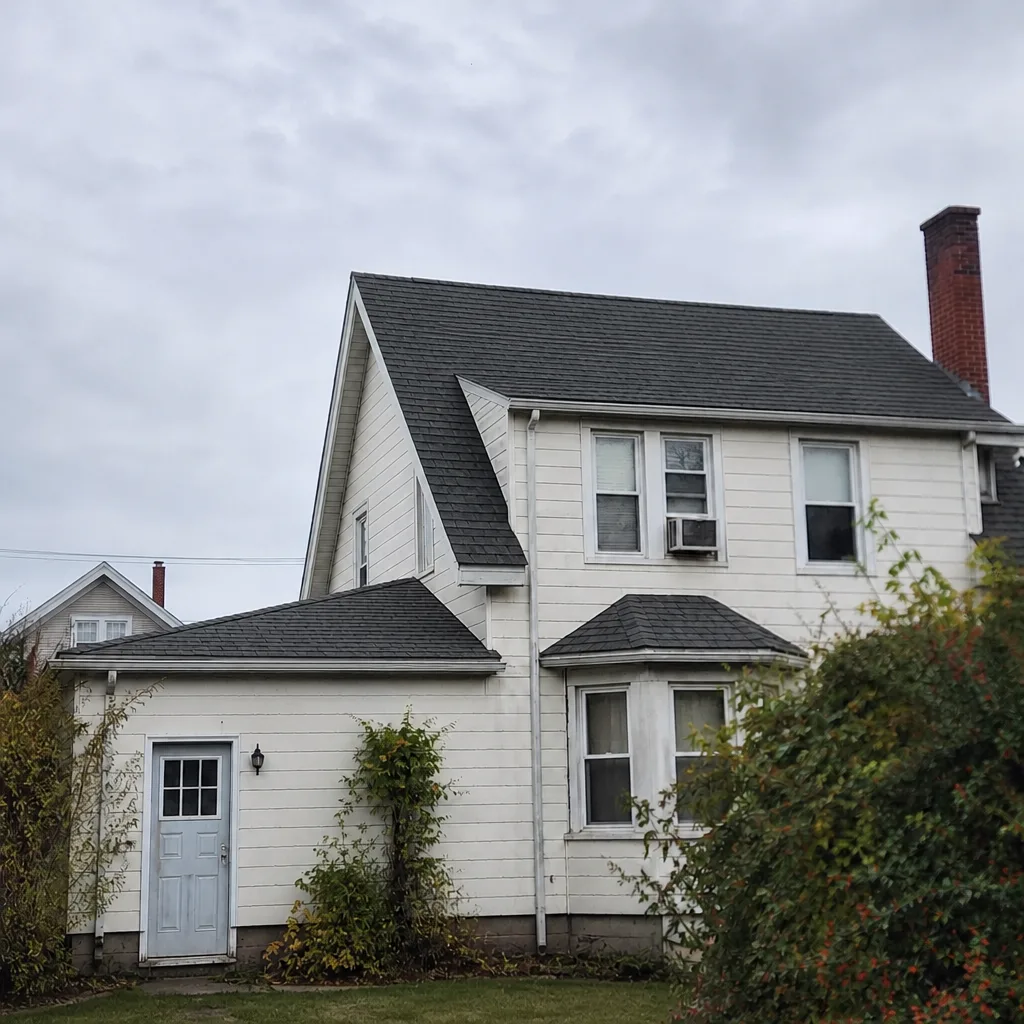 After
When to Call a Professional
Call a professional if you see curled, missing, or granule-shedding shingles, water stains on ceiling or attic sheathing, daylight through the roof deck, or flashing that’s pulled away at a chimney or wall. Those are signs the roof needs at least a look. Also call if your roof is past the end of its expected service life and you’re preparing to sell, since a pre-listing inspection can head off a buyer’s findings. Don’t climb up yourself: steep-roof and height work is dangerous, and an untrained inspection risks injury and missed detail. Ashton Roof Repair offers free estimates in Yonkers and standalone inspections with no repair purchase required. Call (833) 741-8977. We answer 24/7. Fast dispatch from 7am to 7pm, Sunday through Friday.
Frequently Asked Questions
A full asphalt shingle replacement typically runs from roughly $9,000 to $22,000, with most jobs between $12,000 and $17,000. Size, pitch, material tier, and the decking repair the tear-off reveals drive the final number, and the written estimate sets the price. Call (833) 741-8977 for an exact quote on your roof; estimates are free.
It can, and the honest reason is decking: until the old shingles come off, nobody knows the sheathing’s condition. The way to protect yourself is to ask for a per-sheet decking price in writing before the job starts, and choose a contractor who prices it as a line item. A quote that states its decking rate and its fixed lines is what keeps the number predictable. Call (833) 741-8977 to see how we structure ours.
Yonkers requires a permit for roof replacement, and yes, the permit should be a line item on your estimate, with the final inspection passed before the job is considered complete. If a contractor’s quote skips the permit to lower the price, treat that as a red flag. We handle the permit and inspection as part of the written scope. Call (833) 741-8977 to ask what the permit process looks like for your address.
A typical Yonkers roof replacement takes about one to three days on site, depending on size, pitch, and how much decking repair is needed. Access constraints in dense neighborhoods can add time to material delivery and cleanup. The permit and scheduling lead time can run longer than the installation itself. Call (833) 741-8977 for a realistic timeline based on your roof.
Repair is usually the right call when the leak is localized, the roof has life left, and the flashing is the actual problem. Replacement makes more sense when the roof is near the end of its service life, shingles are failing across the surface, or repairs would cost a meaningful fraction of a new roof. An honest inspection answers this without a sales push. Call (833) 741-8977 to book a standalone inspection.
Not always, but a quote far below the others usually skipped something: the permit, the ventilation, the underlayment, or the decking contingency. The fix is to compare line items, not totals. When two contractors price the same scope and one lands much lower, ask what’s missing. Call (833) 741-8977 for a free itemized estimate you can compare line by line.
The Bottom Line
The gap between roofing quotes in Yonkers comes down to what each contractor chose to show or hide. The job’s fixed costs (permit, disposal, decking repair) are non-negotiable. The flexible ones (shingle tier, ventilation type, flashing upgrades) are where you can trade off without hurting the roof. Compare line items, demand itemized written estimates, and ask about the decking rate before you sign. The written estimate always sets the final price. Do that, and the three quotes on the block stop being a guessing game. Call (833) 741-8977 for a free estimate. We answer 24/7. Fast dispatch from 7am to 7pm, Sunday through Friday.
Written by the team at Ashton Roof Repair, serving Yonkers since 2012.