
Last updated November 14, 2026
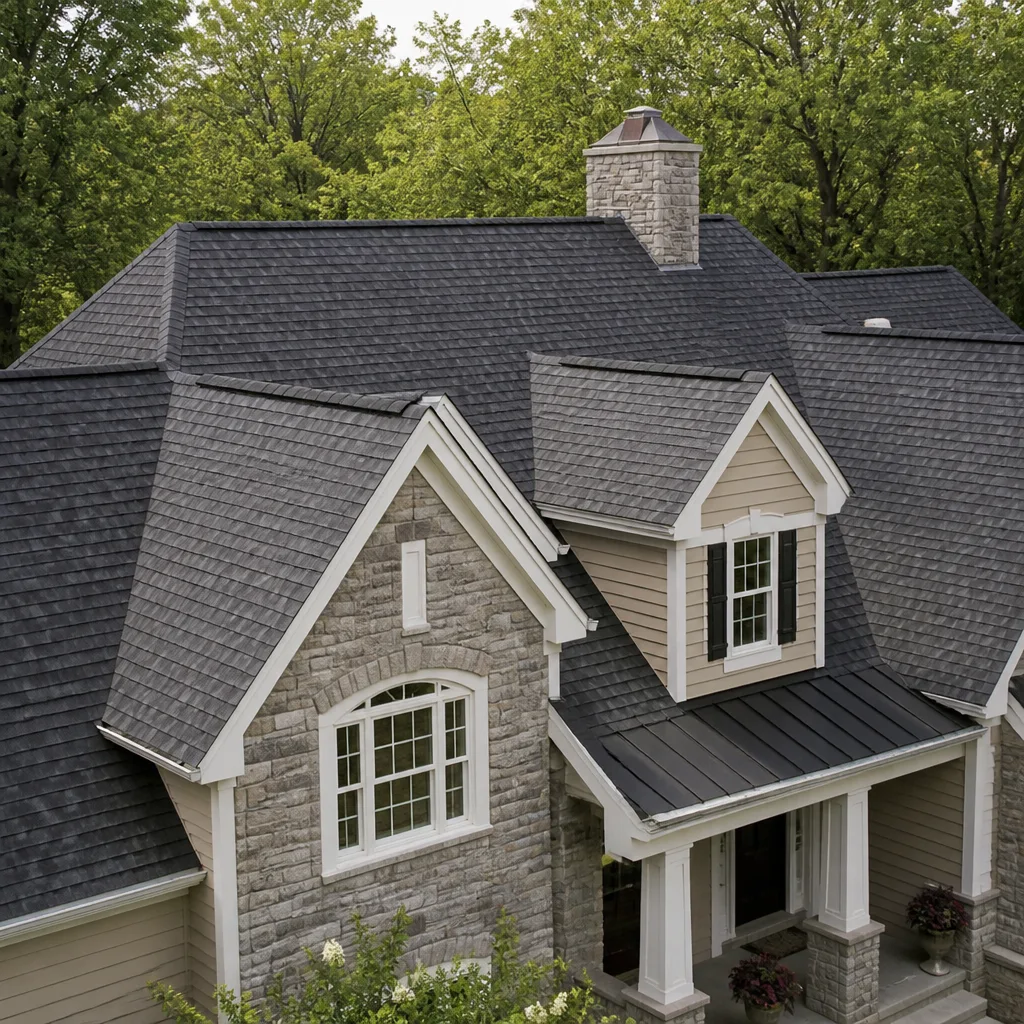 Architectural shingles
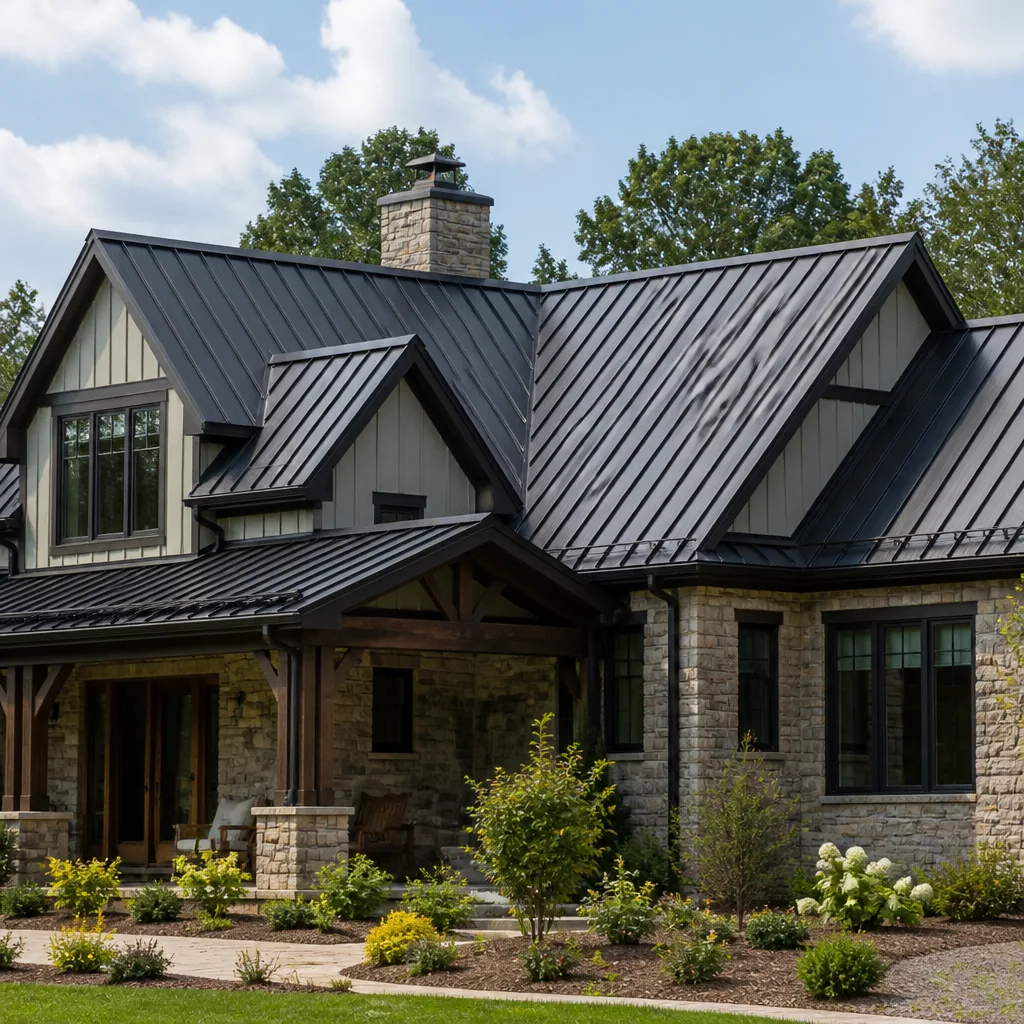 Metal roofing
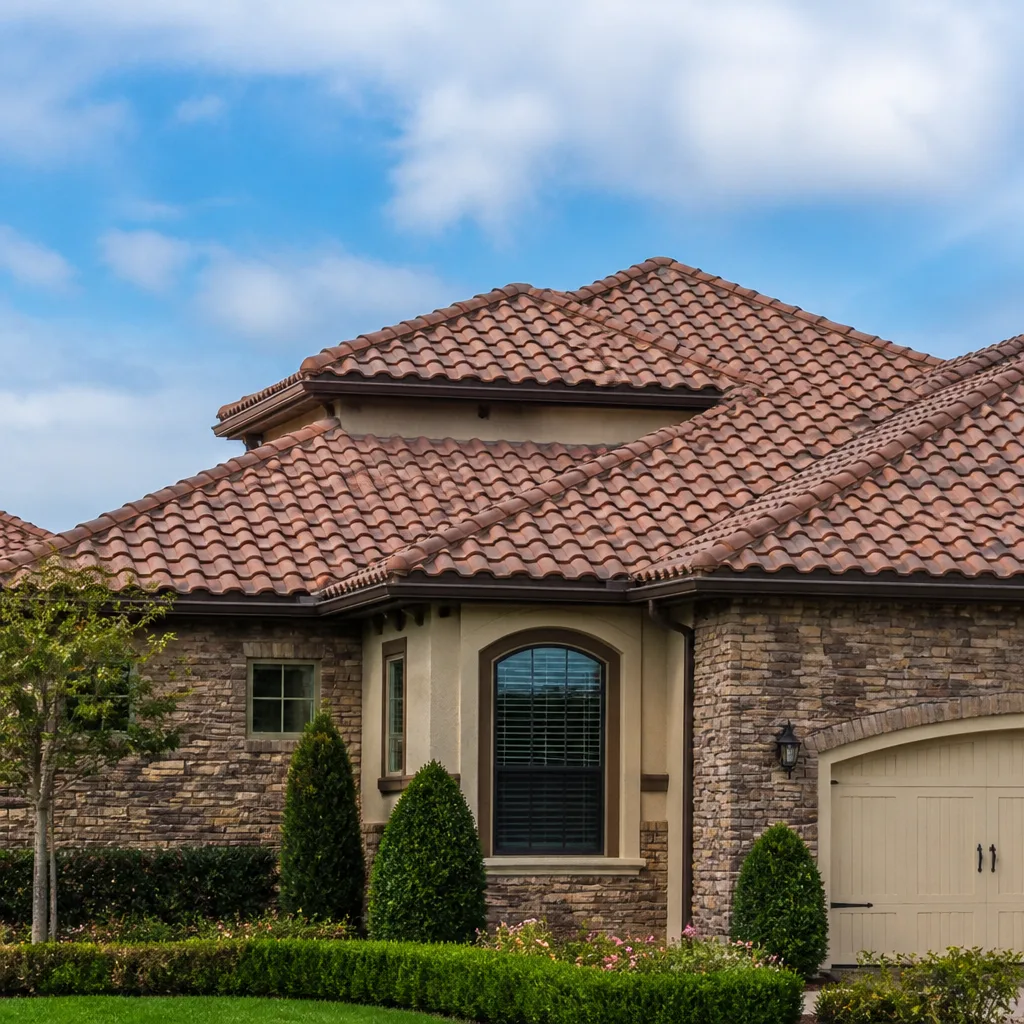 Tile roofing
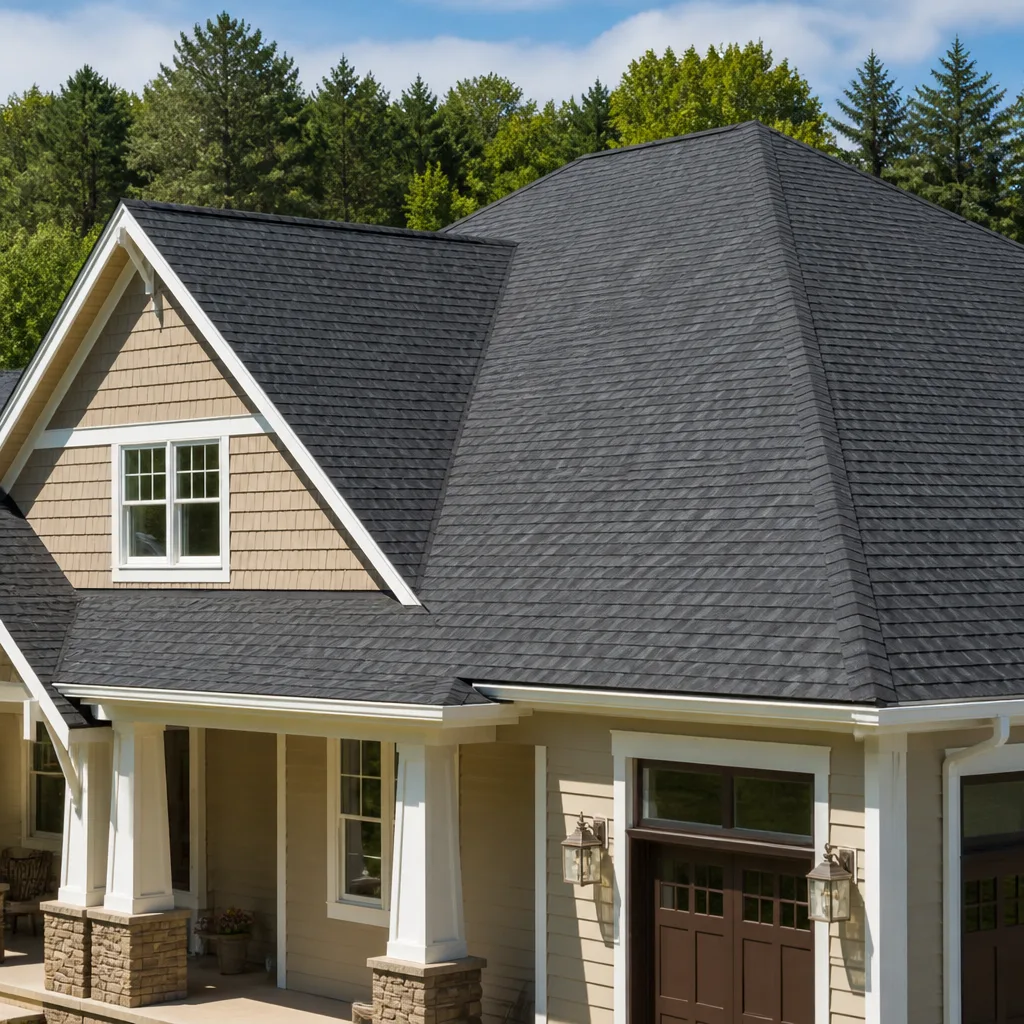 GAF
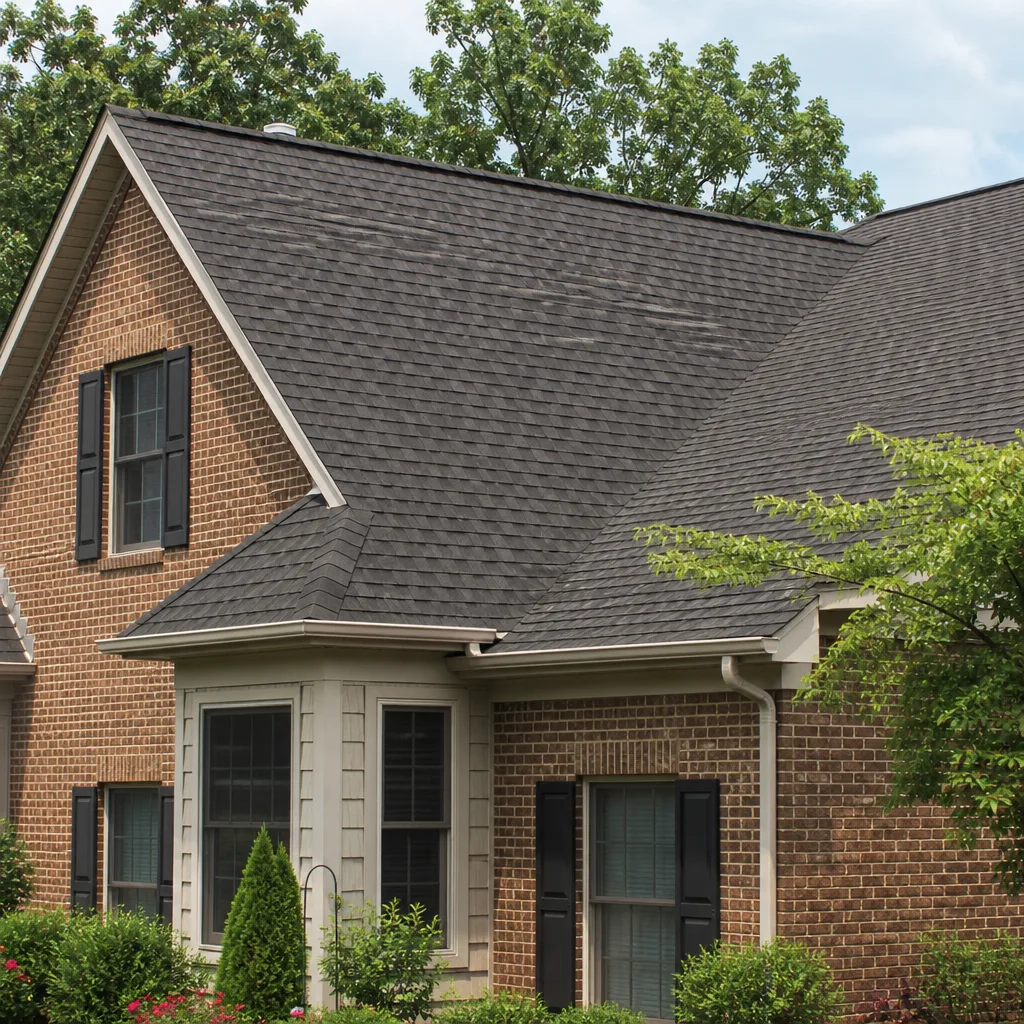 Owens Corning
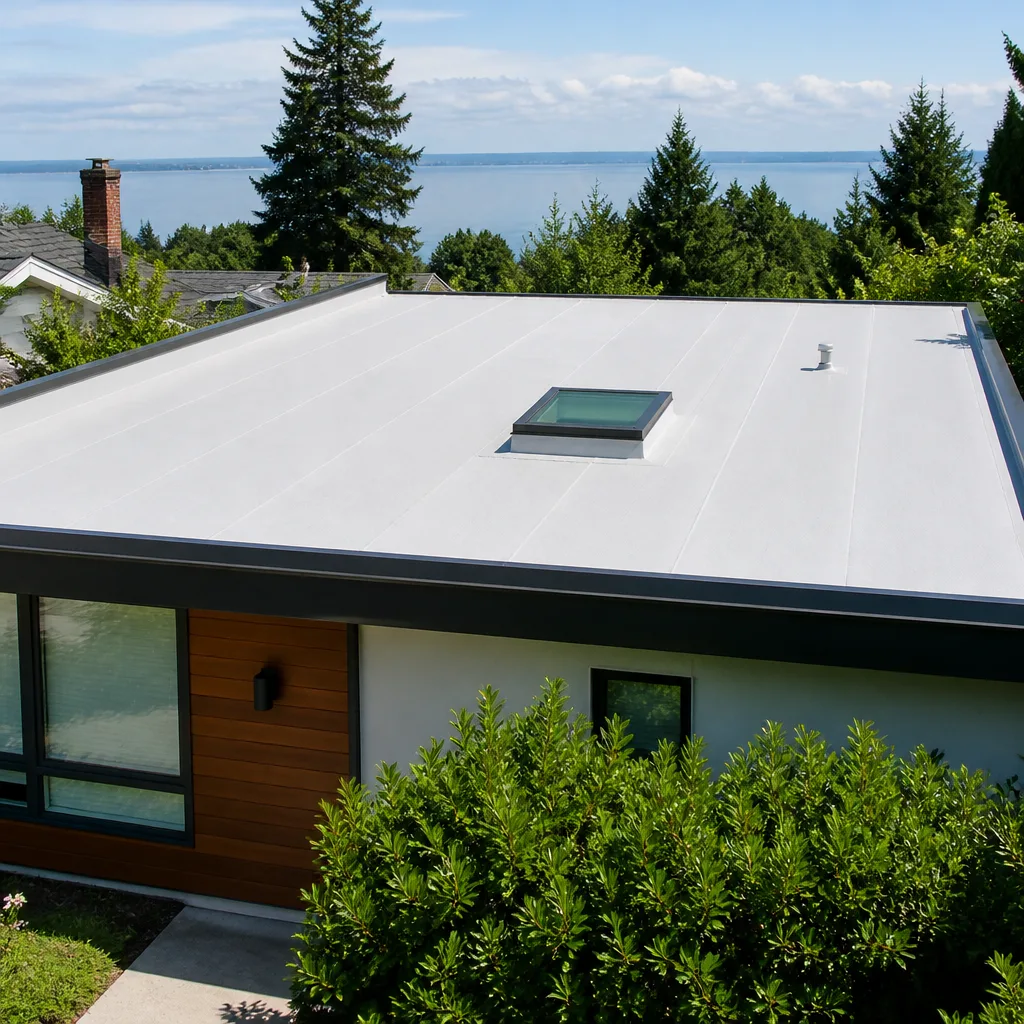 Flat & low-slope
Free roof inspection with deck photos before we talk money - GAF and Owens Corning certified installation
The Complete Roof Repair Guide for Yonkers Homeowners
Most roof repair advice floating around online was written for a house in a subdivision built in 1998 with a single layer of architectural shingles on a clean deck. That’s not most of Yonkers. This city has one of the highest concentrations of pre-1960 housing in Westchester County, and that older stock comes with quirks modern guides don’t touch: layered roofs, skip-sheathing, valleys that drain into walls, and chimney flashing built to a standard nobody uses anymore. So instead of another checklist, this guide gives you a decision framework. You’ll learn how Yonkers’ freeze-thaw cycle attacks specific failure points, when a repair is worth doing versus throwing good money after bad, and what a legitimate estimate should line out before anyone climbs a ladder.
Styles & brands we work with
- Architectural shingles
- Metal roofing
- Tile roofing
- GAF
- Owens Corning
- Flat & low-slope
Quick Answer
Roof repair in Yonkers usually means fixing storm damage, ice-damming damage at the eaves, or flashing that’s failed at a valley or chimney, and the honest first step is a real inspection rather than a sales pitch. On the city’s older homes, whether to repair or replace depends on the age of the existing roof, how many layers it’s carrying, and the condition of the decking underneath. A written, line-item estimate is what separates a fair quote from a guess.
Table of Contents
- Why Yonkers’ Climate Hits Roofs Differently
- What Older Yonkers Housing Stock Means for Your Roof
- The Repair-or-Replace Decision Matrix
- Layered Roofs vs. Clean-Deck: Why the Repair Scope Changes
- Material-Specific Repair Logic
- What a Legitimate Repair Estimate Should Include
- Questions to Ask Before Anyone Touches Your Roof
- Common Mistakes to Avoid
- When to Call a Professional
- Frequently Asked Questions
Why Yonkers’ Climate Hits Roofs Differently
Yonkers sits in a climate zone where the temperature swings across the freezing line dozens of times each winter. That single fact drives more roof damage here than any other. Water gets into a hairline crack or a lifted shingle edge, freezes overnight, expands, and pries the material a little further open. It thaws the next afternoon and the cycle repeats. Across a season, a problem that would stay cosmetic in a colder, steadier climate becomes structural in Yonkers.
The two storm types matter in different ways. Nor’easters bring prolonged wind-driven rain and heavy wet snow that sit against the roof for hours, driving water sideways into places a straight-down rain never reaches. Summer thunderstorms hit fast with wind that lifts and creases shingles and drops branches. Hail is uncommon in this part of Westchester, so when we look at impact damage in Yonkers we’re usually looking at wind, debris, and freeze damage, not hail bruises.
Here’s where it fails first:
- Eaves and overhangs: the coldest part of the roof, where ice dams form. Meltwater refreezes at the edge and backs up under the shingles.
- Valleys: two roof planes funnel a large volume of water into a narrow channel. When valley flashing deteriorates, water goes sideways into the deck and often into the ceiling below.
- Chimney and wall flashing: metal that’s been sealed with tar or caulk rather than properly stepped into the masonry will open up as the house expands and contracts through the seasons.
- North-facing slopes: slower to dry, more prone to moss and to shingle edges that stay damp and freeze.
This is why an inspection in Yonkers has to look at the details, not just the shingle field. The shingles can look fine while the flashing underneath is the actual problem. If you want a plain-language assessment before deciding anything, we handle roof inspection as a standalone service, so you get the condition report without being pushed toward a repair you may not need yet.
What Older Yonkers Housing Stock Means for Your Roof
Walk through neighborhoods like Getty Square, Park Hill, or the streets around Lincoln Park and you’ll see a lot of homes from the 1920s through the 1950s. Those roofs were built to a different set of assumptions. Decking is often spaced boards rather than solid plywood. Flashing details are hand-formed and sometimes original. Sheathing may be thinner than a modern code minimum would require. None of that is automatically a problem, but it changes what a repair involves and how far the fix can reasonably go.
When we look at an older roof, here’s what we check before recommending anything:
- Deck condition from the attic side. Sagging, delamination, or water staining tells us whether the boards can hold new fasteners or need replacement first.
- Number of existing layers. Two or three layers of shingles add weight, hide the deck, and make the next installation more involved.
- Flashing material and vintage. Original galvanized steel or copper may be serviceable; tar-and-caulk patches over old flashing almost never are.
- Attic ventilation and insulation at the eaves. Poor venting is a major contributor to ice dams and to shortened shingle life.
- Valley construction. Open metal valleys and woven valleys behave differently, and the repair method has to match.
The practical takeaway for a Yonkers homeowner: on a house this age, a small leak is rarely just a shingle missing. It’s often a shingle plus a piece of flashing plus a section of deck that’s been quietly rotting. A repair estimate on an older Yonkers roof should account for all three, because patching the shingle alone just moves the leak.
If you’re weighing whether the roof has another decade in it or has reached the end, a proper roof replacement assessment is worth having in hand alongside a repair quote. Comparing both on paper is how you avoid overpaying for a fix on a roof that’s really finished.
The Repair-or-Replace Decision Matrix
The single most expensive mistake a Yonkers homeowner makes is repairing a roof that’s already past its service life. The second most expensive is replacing a roof that had years left. The decision comes down to a handful of factors, and here’s how we weigh them.
- Age of the current roof relative to its expected lifespan. If it’s in the last quarter of its expected life, a repair buys time but rarely value.
- Number of layers. Three layers is where we stop recommending repairs and start explaining replacement, because the next installation gets more expensive the longer you wait.
- Deck condition. A few soft boards can be replaced during a repair. Widespread rot means a repair won’t hold.
- Where the leak is. A single localized failure near a vent or chimney is a repair. Multiple leaks across different slopes is a pattern, and patterns mean the roof is done.
- Flashing condition overall. If every penetration is failing at once, you’re looking at the whole system aging out, not one bad spot.
- Whether you’re staying or selling. A repair may be the right call before a sale if the roof has life left; a full replacement may be the honest answer if a buyer’s inspector will flag it anyway.
A simple rule that holds up in our experience on Yonkers roofs: if the repair is under roughly a third of what replacement would cost and the roof has several years of life left, repair it. If the repair is approaching half the replacement cost, or the roof is already past its expected lifespan, replacement is usually the better use of the money. The written estimate is what makes that comparison possible, and we won’t quote one without a proper inspection first.
Layered Roofs vs. Clean-Deck: Why the Repair Scope Changes
A layered roof (sometimes called a nail-over or overlay) has new shingles installed directly over the old ones. It’s common on Yonkers homes that have been through multiple rounds of work over the decades. It saves the cost of tear-off, but it changes how a repair has to be done, and homeowners should know which they have before comparing quotes.
On a clean-deck roof, a repair is usually straightforward: remove the damaged shingles, replace any bad deck, install new underlayment, and re-shingle the area. On a layered roof, the old shingles underneath are still there, and the repair has to account for them. Fasteners may not reach the deck properly. New shingles may not sit flush. Getting a reliable bond at the edges is harder. And the total weight of the assembly is already higher, which affects how the roof performs under snow load.
How to know which you have:
- Look at a roof edge or rake where the layers are visible. If you can see two shingle edges stacked, you have at least two layers.
- Check the depth at a vent pipe boot or a step flashing for the same stacked appearance.
- Ask the last roofer, if you know who did the work, whether they tore off or overlaid.
- During an inspection, a roofer can confirm layers and evaluate whether another overlay is even possible.
Why it matters: on a layered roof, a repair is sometimes a patch that buys a few years, and the honest recommendation is often to plan for a full tear-off rather than keep patching. On a clean-deck roof, a repair can be a durable long-term fix. If you’re not sure which you have, that’s a good reason to get an inspection before you accept any estimate, because the scope should reflect the roof you actually own.
Material-Specific Repair Logic
Here’s a place where a lot of “roof repair guides” wave their hands. In practice, how a repair is done depends on what’s already on the roof. We install across seven major manufacturers, including GAF, CertainTeed, Owens Corning, IKO, Atlas, Tamko, and Boral, so we’re not locked into one product line. That matters at repair time as much as replacement time.
A few examples of why the material changes the repair:
- CertainTeed Landmark: a widely used architectural shingle. Repairs require matching not just the color but the profile and the exposure, and the sealant strip needs heat and pressure to bond. On a colder repair, that seam needs attention so it doesn’t lift at the first freeze.
- Owens Corning Duration: the shingle has a specific nailing zone and a reinforced sealing strip. A repair that nails outside the zone leaves the shingle prone to blow-off. Matching the product line matters so the repair blends in and performs the same as surrounding shingles.
- GAF Timberline: a very common line in this region. Repair method is similar to the others but the color lots can vary between production runs, so a small repair can read as a slightly different shade if the match isn’t checked carefully.
The broader point: a repair estimate should name the product line the repair will use, or at least state that the material will be matched to the existing roof. A quote that says “some shingles” without specifying what goes on the roof is not a quote you can compare to another.
If the roof is being fully replaced, this is where the manufacturer choice actually matters for longevity and budget. Brands like IKO, Atlas, and Tamko are solid value-tier products. GAF, CertainTeed, and Owens Corning sit in the premium tier. Because we install all of them, we can compare them honestly for your roof and your budget, and the recommendation is based on fit, not on what a supplier is pushing that month. That’s what we mean when we say we work with seven leading manufacturers so the material fits your roof, not our inventory.
What a Legitimate Repair Estimate Should Include
A roof repair estimate that just says a dollar amount and a vague description is not something you can compare against another quote. The right estimate is line-item and specific. Here’s what should be on a written estimate before you sign anything in Yonkers:
- Scope of work, itemized. Each step: tear-off of damaged material, deck repair (with the amount stated per sheet or per area), underlayment, shingles, flashing, ventilation if it’s being addressed.
- Material brand and product line. Not “architectural shingles” but the actual product family the repair will use.
- Quantity or area. How many square feet or squares the repair covers.
- Flashing and penetration work, listed separately. Chimney, valleys, step flashing, pipe boots. These are where Yonkers leaks usually start.
- Deck repair terms. A good estimate states the price per sheet if additional decking is found to be bad, so it’s not an open-ended surprise.
- Disposal and cleanup. Same line, clearly stated.
- Permit handling, if a permit is required for the scope. Ask the contractor whether the work needs one and whether they’ll pull it.
- Warranty terms, in writing. Workmanship and material warranty should be spelled out separately.
- Final price and payment schedule. A written estimate that fixes the price before work starts is the standard to hold.
If you’re getting a second opinion after a storm, ask each contractor to itemize the same way. Two estimates that use the same line items are genuinely comparable. Two that don’t are not. If a quote has no decking line and no material spec, you don’t yet know what you’re buying.
Ashton Roof Repair works across this region, and if you want a good starting point for how we handle inspections and repairs in the area, the overview at our Ashton Roof Repair page covers the three services we offer: roof repair, replacement, and roof inspection.
Free estimates are part of what we do. If the roof is in Yonkers, we’ll come out and give you an honest read before you commit to anything.
Questions to Ask Before Anyone Touches Your Roof
You don’t need to be a roofer to ask good questions. You need a short list that separates a real answer from a sales pitch. Here are the ones worth asking in Yonkers:
- “What’s the actual cause of the leak?” If the answer is “the roof is old, you need a new one” without pointing at a specific location, ask where exactly the water is entering.
- “How many layers are on the roof right now?” If they can’t tell you, they haven’t looked closely enough.
- “What’s the deck look like under the damaged area?” This one tells you whether you’re getting a real assessment or a surface read.
- “What brand and specific product will go on the repair?” Get it in writing.
- “Will the price change once work starts, and under what conditions?” A good answer spells out that decking may add cost, but with per-unit pricing already given.
- “What’s covered by the workmanship warranty, and for how long?”
- “Do you pull permits for this scope?” Most municipalities require a permit for structural roof work; ask your city’s building department whether your job needs one.
- “Can I see the estimate before you start?” Any reputable company will say yes.
The pattern to watch for is any answer that’s vague on cause, scope, or price. A roofer who can’t point to a specific failure and explain the fix in plain terms hasn’t actually done the inspection.
Common Mistakes to Avoid
- Accepting a door-to-door repair from someone who “noticed” damage. Storm chasers follow weather systems through Westchester, and once they’re gone you have no recourse. Get the estimate in writing from a company you can call back.
- Choosing the cheapest quote without reading it. A low number that leaves out deck repair, flashing, and disposal will cost more once the roof is open. Compare line items, not totals.
- Repairing a roof that’s two or three layers deep and past its life. On older Yonkers homes, this is how a $500 repair becomes the deposit on a replacement you’ll pay for anyway.
- Skipping the inspection because a repair “seems obvious.” The most common Yonkers pattern is a leak that looks like a shingle problem and is actually a flashing problem. Diagnosing it wrong makes the repair worthless.
- Letting an unpermitted repair stay unpermitted before a sale. If you’re preparing a house for sale, a repair that should have had a permit can become a title and inspection issue. Confirm the permit landscape before work starts.
- Ignoring ice damming as “just a winter thing.” Refreezing water at the eaves damages decking and insulation over time. If dams form every year, the fix is more than a shingle patch.
- Not getting a written warranty on the workmanship. Material warranties cover the product, not the install. The labor should be covered separately, in writing.
When to Call a Professional
Some roof issues are obvious from the ground. Others look cosmetic and aren’t. Call a professional if you see water staining on a ceiling or in the attic, shingles that are curled, cracked, or missing, granules collecting in the gutters, flashing that’s loose or has been repeatedly caulked, or ice dams forming across the same eaves every winter. Also call if you’re about to list a home in Yonkers and the roof’s condition is unknown; a buyer’s inspector will look at it anyway, and it’s better to know before you negotiate. High-tension and steep work on a roof is genuinely dangerous and isn’t a DIY job; a trained professional should be the one on the ladder.
Ashton Roof Repair offers free estimates in Yonkers. Call (833) 741-8977 to schedule an inspection and get a written estimate before committing to any repair.
We answer 24/7. Fast dispatch from 7am to 7pm, Sunday through Friday.
Frequently Asked Questions
Roof repair pricing in Yonkers depends on the scope: a localized shingle repair at one area is one price, and a repair that involves decking and flashing is another. Every job is priced by a written estimate, and there is no standard fee because no two Yonkers roofs are the same. Call (833) 741-8977 for an exact quote; estimates are free.
A well-written estimate fixes the price for the scope described, with any decking change stated up front at a per-sheet rate, so the total doesn’t move unexpectedly. If additional damage appears after the roof is opened, the honest thing is to tell you before proceeding, not after. Ask for a written estimate that spells out deck pricing, and call (833) 741-8977 for a free one.
Permit requirements depend on the scope and the local building department’s rules, and structural work or replacement typically triggers more review than a small repair. The safest route is to ask your city’s building department directly and confirm with your contractor which permits are being pulled for your specific job. We can walk through it with you during the estimate.
Sometimes. A repair on a two-layer roof is often possible, but a third layer usually means the honest recommendation is to plan for a full tear-off and replacement. On older Yonkers homes with layered roofs, we evaluate the deck, flashing, and total assembly before deciding whether a repair is worth doing. Call (833) 741-8977 for an inspection to find out.
Age, number of layers, deck condition, and the number of separate leaks all factor in. A localized failure on a roof with years left is a repair. Multiple leaks, failing flashing throughout, or widespread soft decking on a roof past its expected lifespan points to replacement. A standalone inspection gives you the condition facts before you commit to either.
We install across seven major manufacturers, including GAF, CertainTeed, Owens Corning, IKO, Atlas, Tamko, and Boral, so the material comes from fit, not from what a single supplier carries. That matters at repair time when the existing roof brand needs to be matched, and at replacement time when budget and lifespan tradeoffs are being weighed. Call (833) 741-8977 to talk through the options for your roof.
The Bottom Line
Roof repair in Yonkers isn’t a checklist, it’s a decision. The climate drives water into the eaves, valleys, and chimney flashing, and the age of the housing stock means the fix almost always runs deeper than the shingle. Start with an honest inspection, ask for a line-item estimate, and compare repairs against replacement before spending a dollar. On an older layered roof, patching isn’t always a repair, and knowing which you have is half the decision. If you’re not sure, call (833) 741-8977 and we’ll give you a free estimate.
For homeowners looking for a Yonkers roofer who explains the why before recommending the work, that’s the standard we hold ourselves to.
Written by the team at Ashton Roof Repair, serving Yonkers since 2012.
See the difference
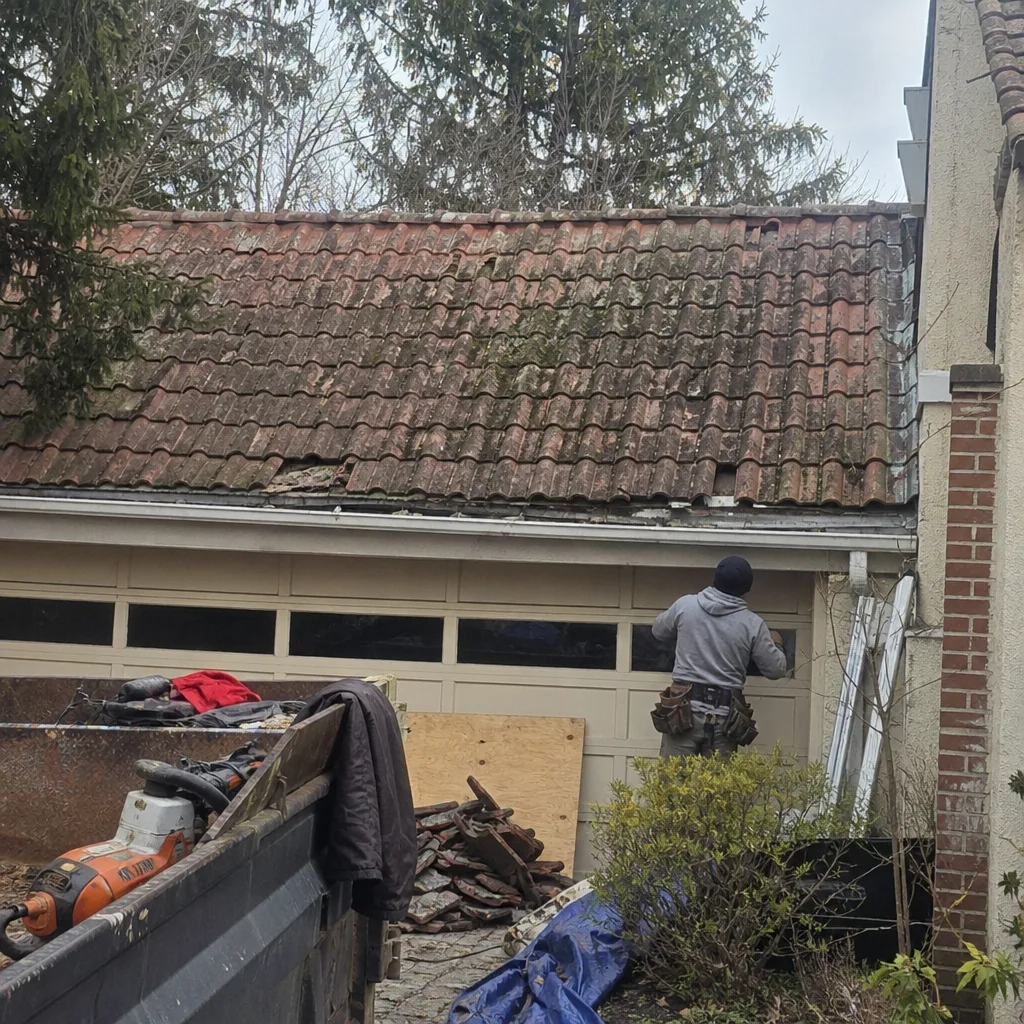 Before
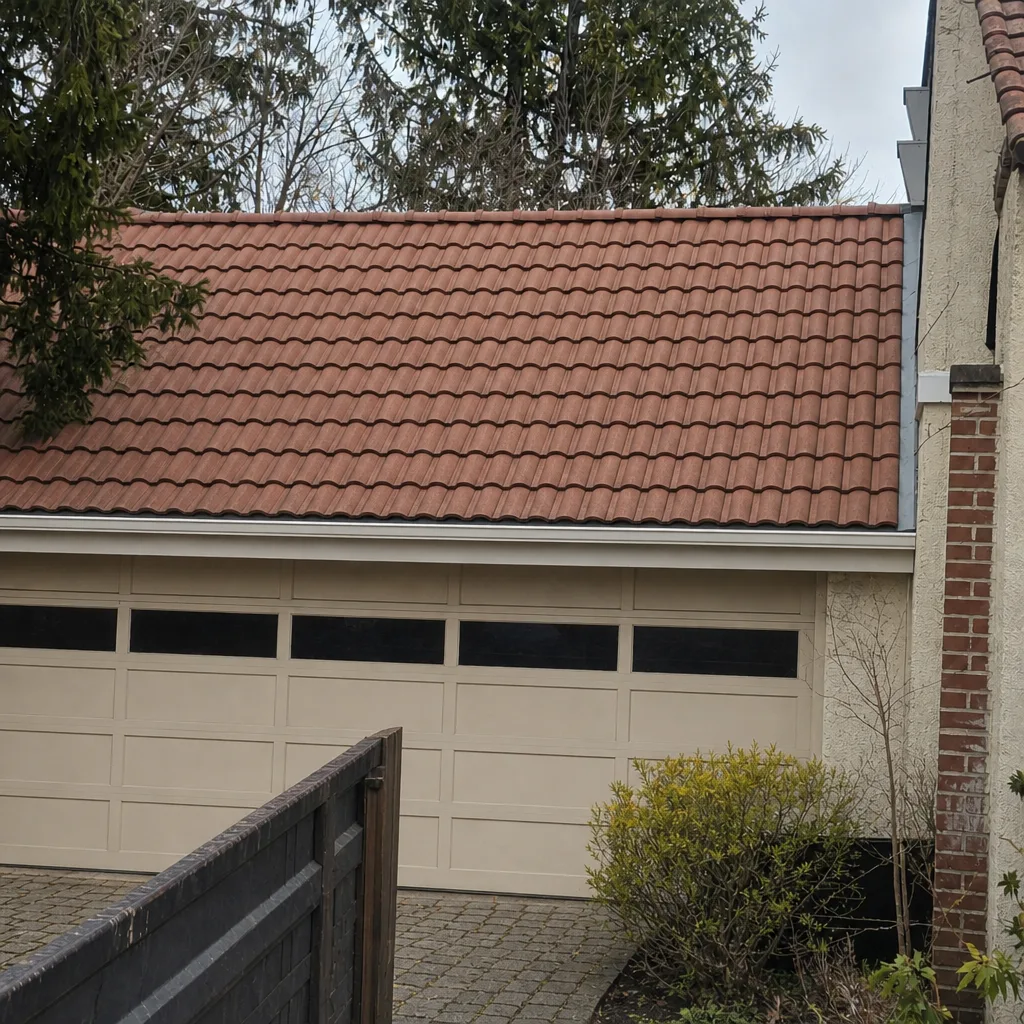 After
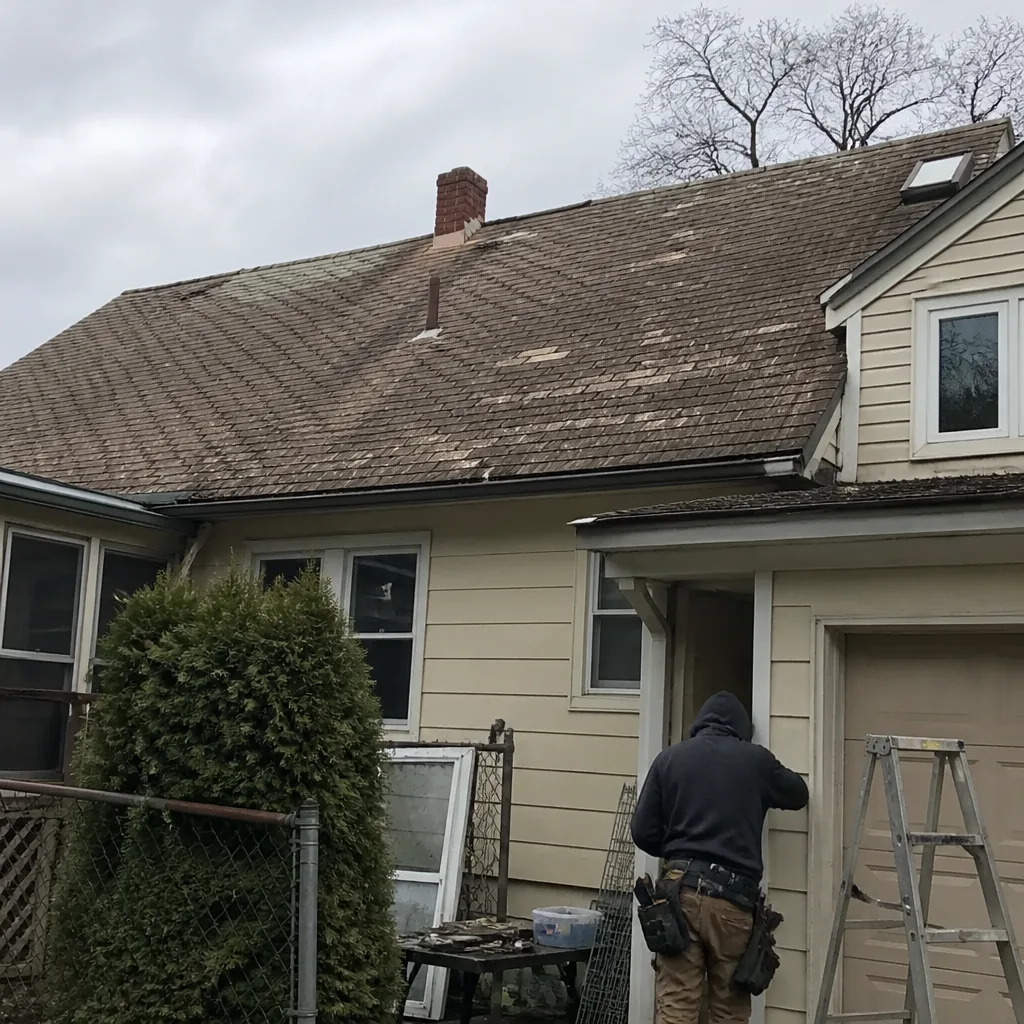 Before
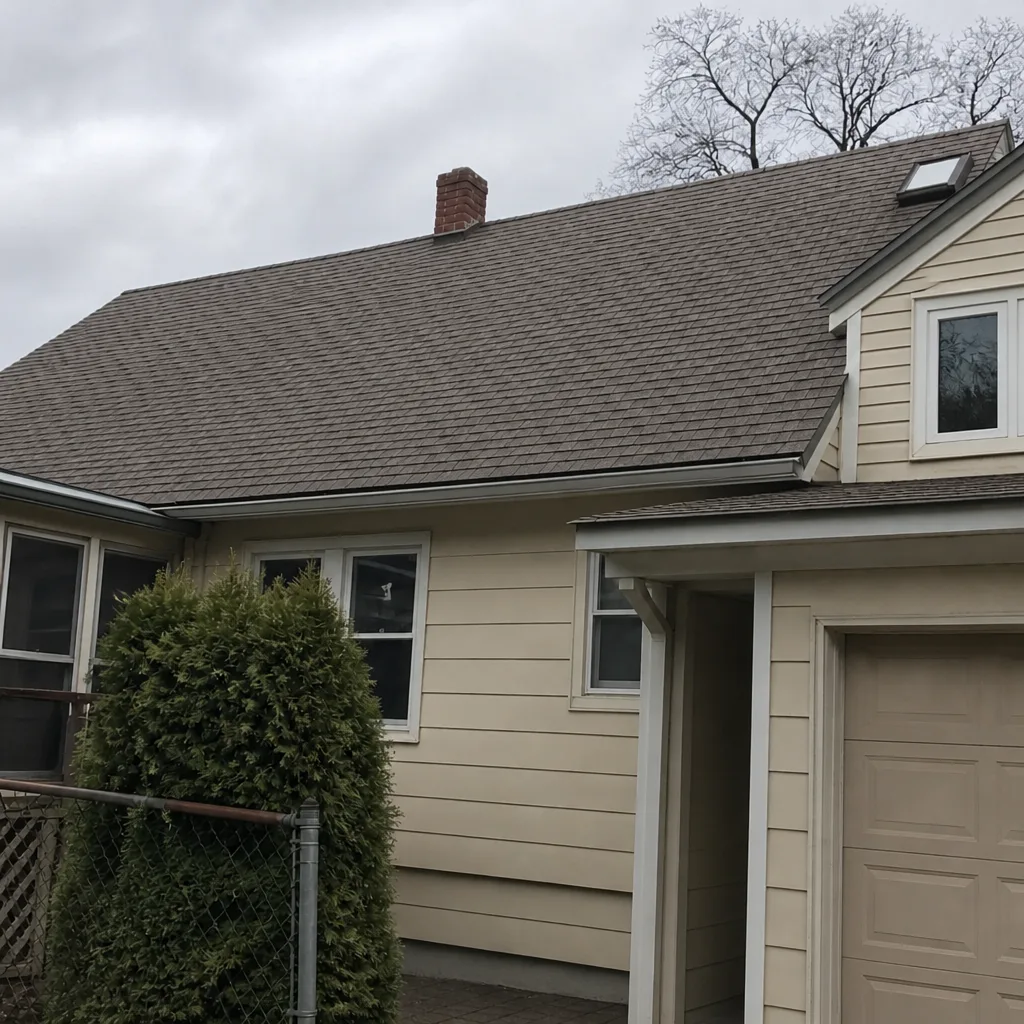 After
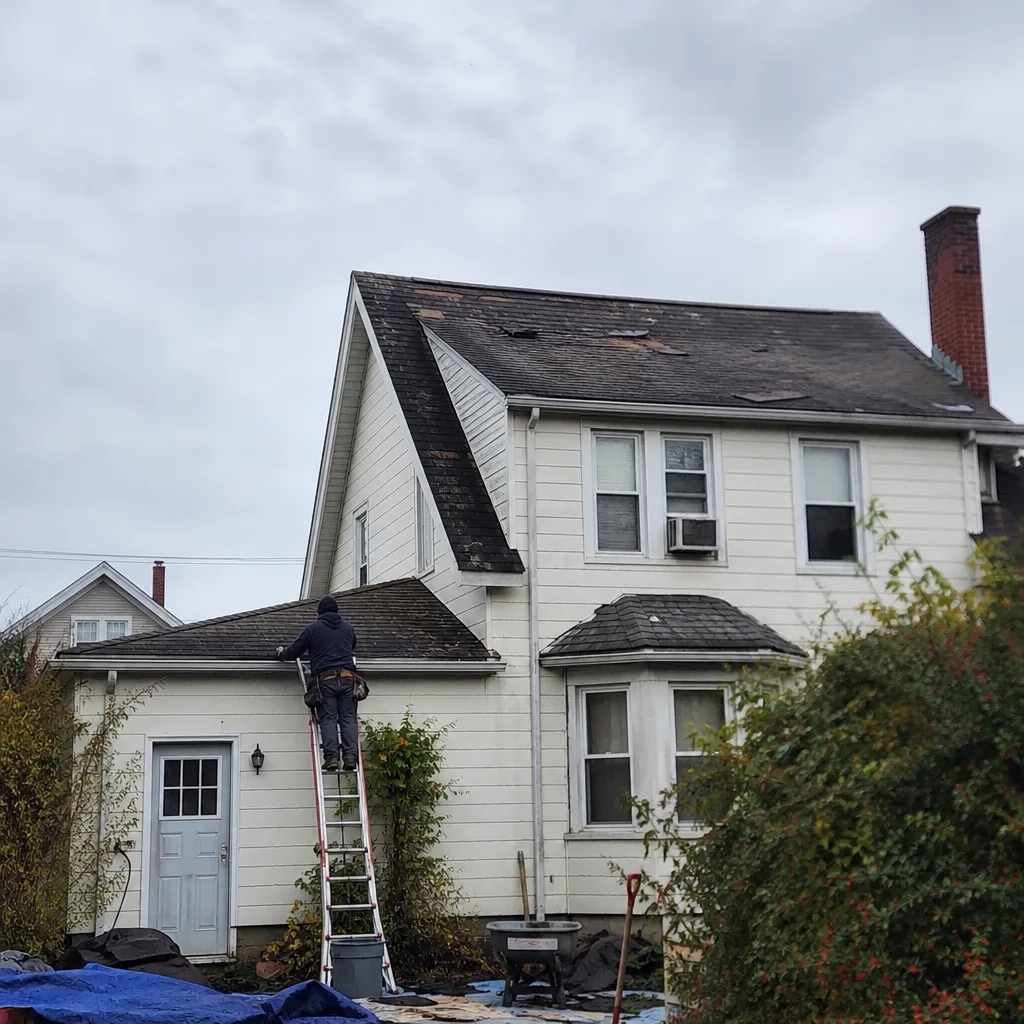 Before
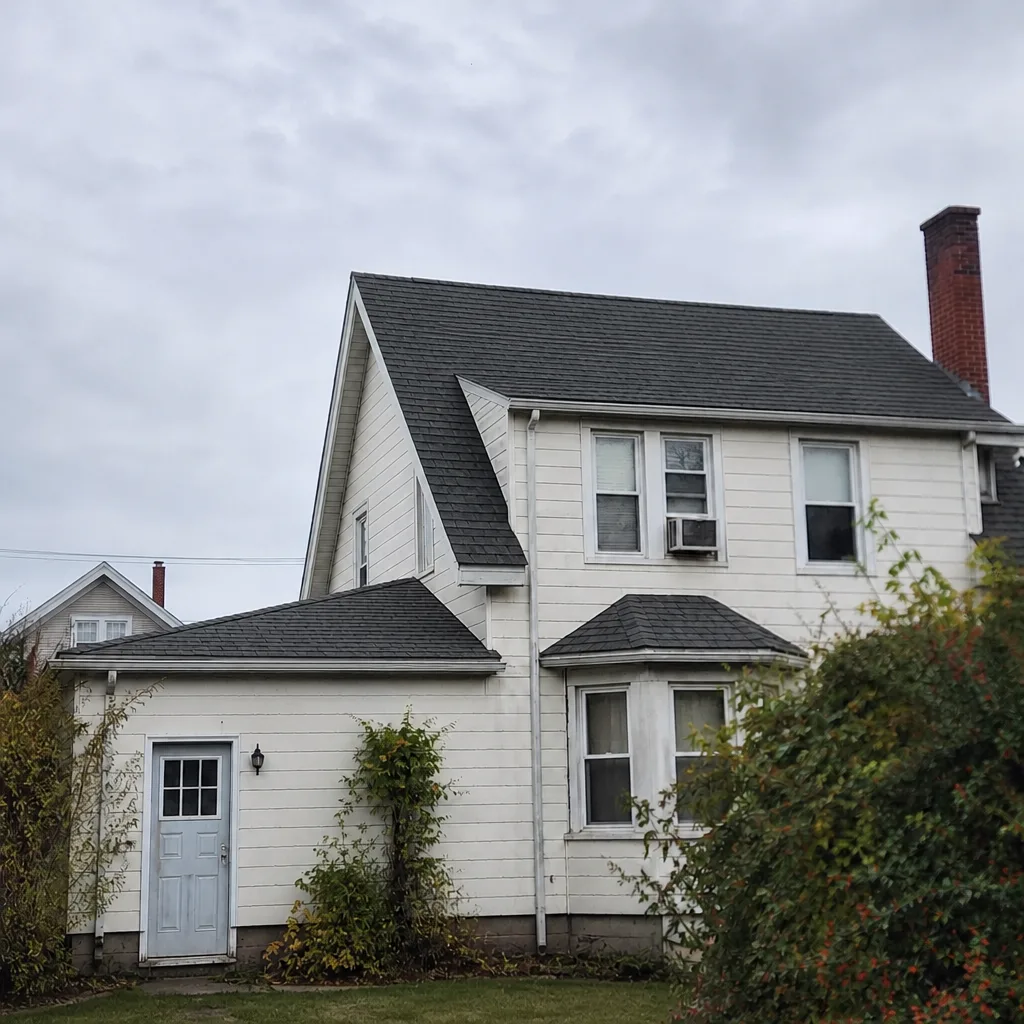 After