
Last updated November 14, 2026
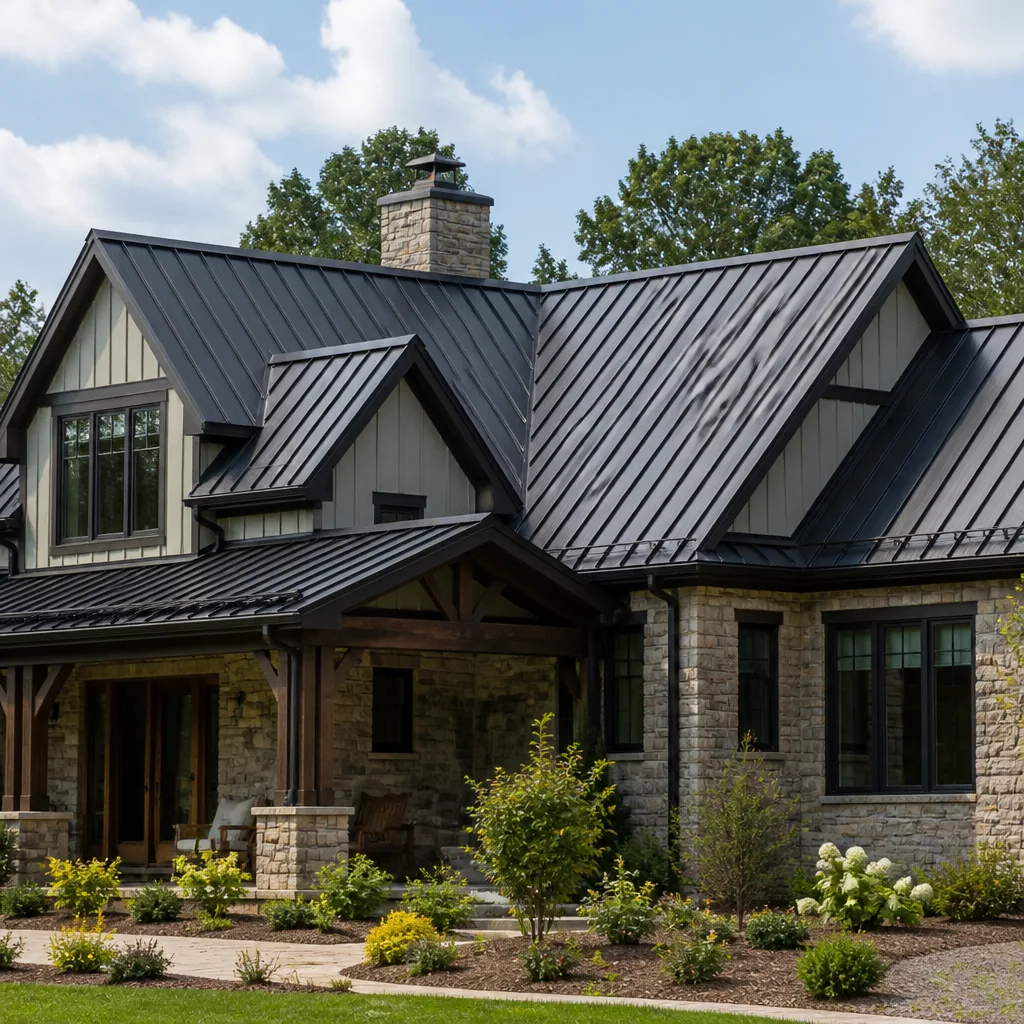 Metal roofing
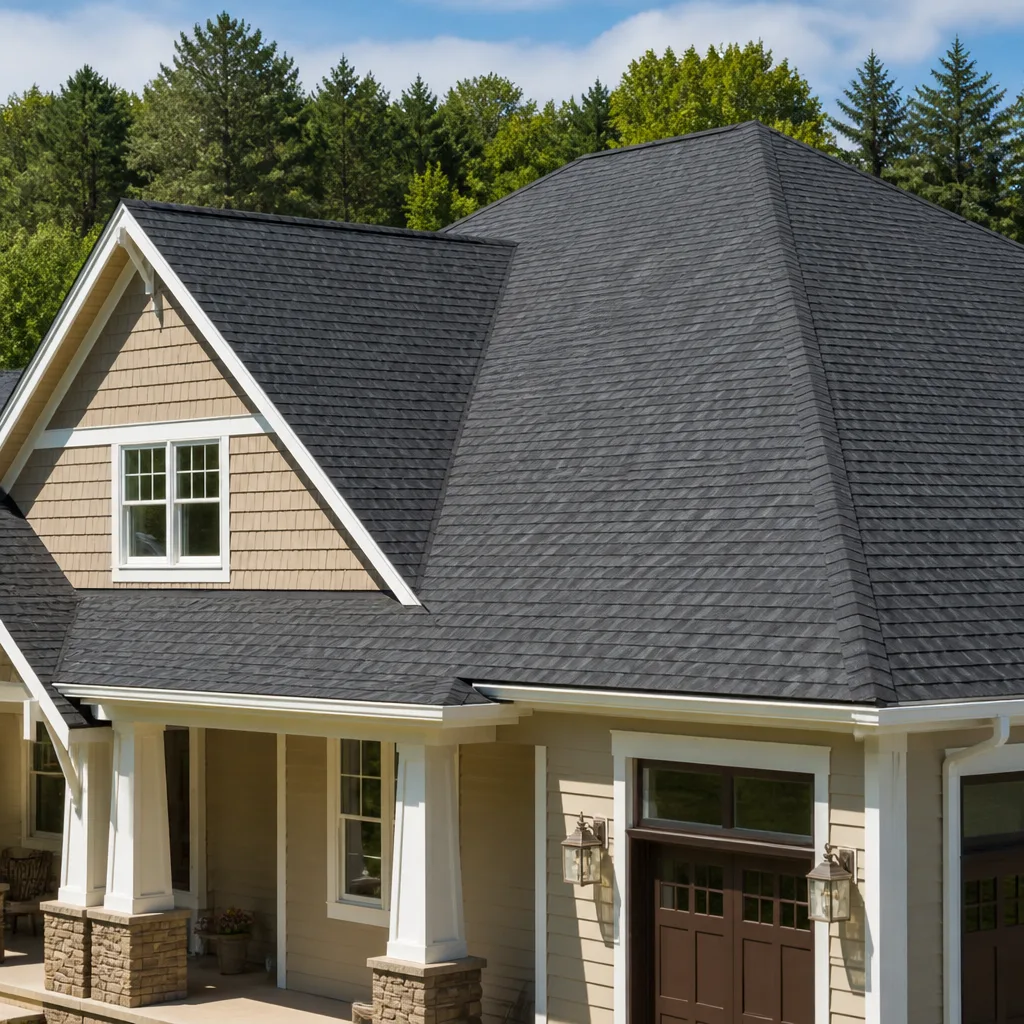
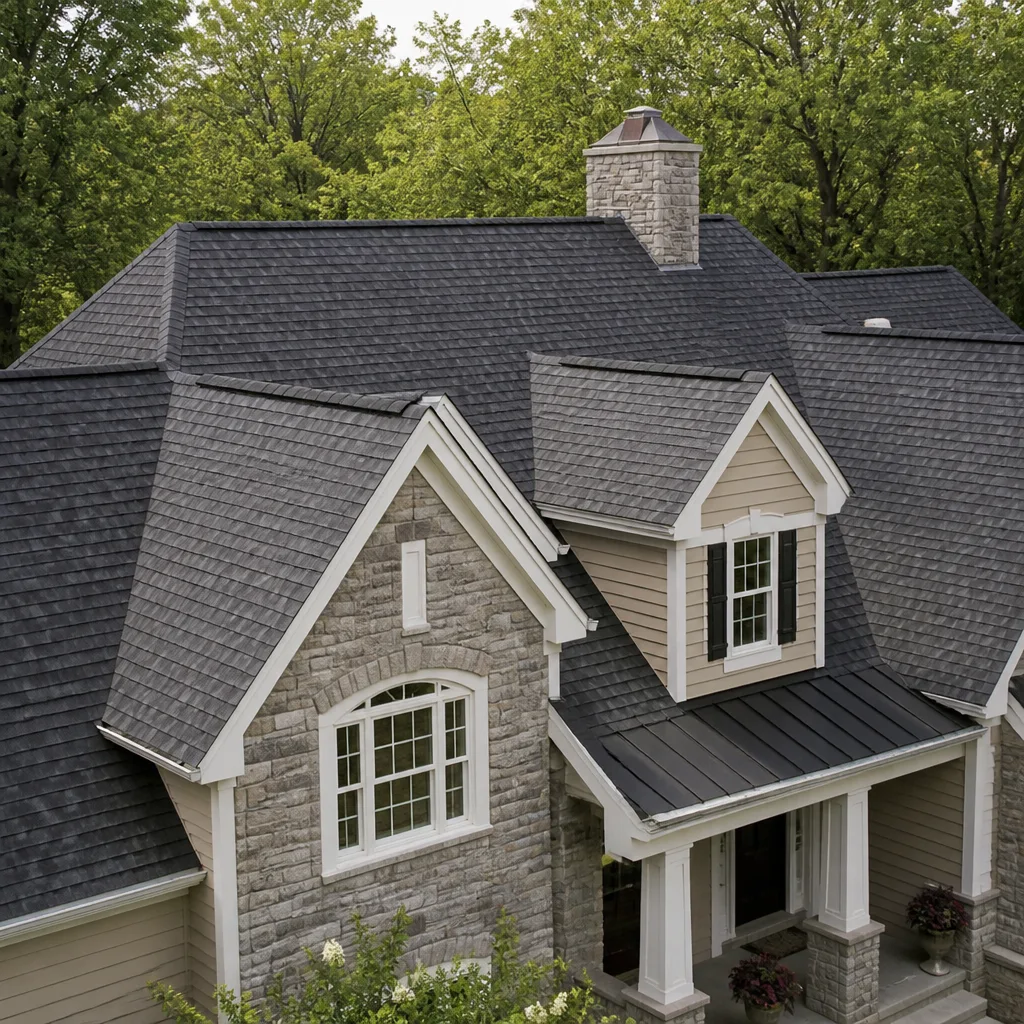 Architectural shingles
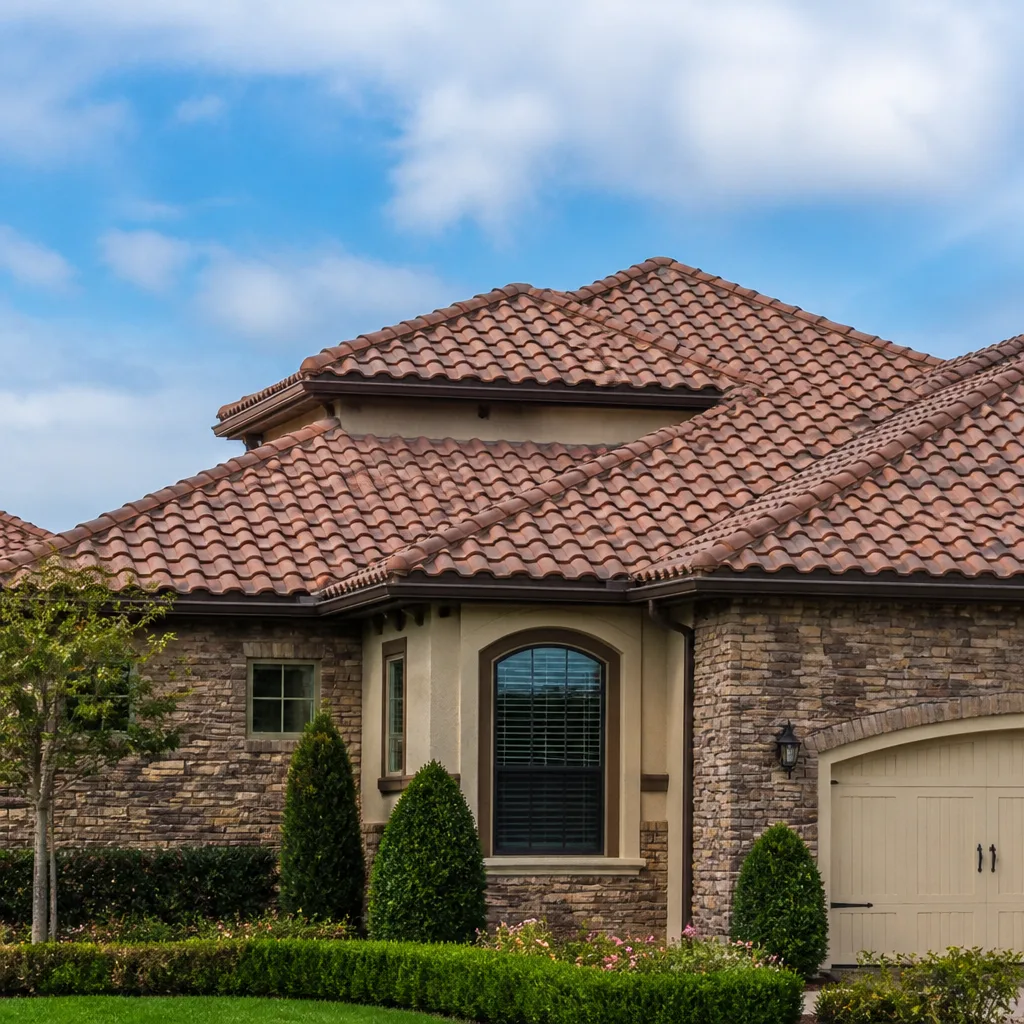 Tile roofing
 GAF
 Owens Corning
 Flat & low-slope
Free roof inspection with deck photos before we talk money - GAF and Owens Corning certified installation
Choosing the Right Roofing Brand: A Buyer’s Guide for Yonkers
GAF, Owens Corning, CertainTeed, and Atlas all make good shingles. A contractor who tells you one of them is simply “the best” is usually telling you which brand gives them the best margin, not which one fits your roof. Shingle brands don’t win in the abstract. They win or lose on your roof’s slope, your attic’s ventilation, how hard the wind hits your block, and what you can spend. Two houses on the same street in Yonkers can honestly need two different manufacturers, and a roofer who installs across all of them is the one who can say so. This guide walks through what each major brand does well, where each falls short, and the questions that reveal whether a recommendation is about your roof or their supplier relationship.
Quick Answer
There’s no single best roofing brand in Yonkers. The right shingle depends on matching a manufacturer’s specific product line to your roof’s pitch, your attic ventilation, your home’s exposure to Hudson Valley humidity and wind, and your budget. GAF, Owens Corning, and CertainTeed dominate the premium tier; IKO and Atlas compete hard on value; and the correct answer varies from house to house. The brand matters far less than the product line chosen within it and the quality of the installation.
Styles & brands we work with
- Architectural shingles
- Metal roofing
- Tile roofing
- GAF
- Owens Corning
- Flat & low-slope
Table of Contents
- Why There’s No Single Best Shingle Brand
- A Brand-by-Brand Look at What Yonkers Homeowners Can Buy
- Matching Product Lines to Yonkers Conditions
- What the Warranty Fine Print Actually Requires
- Contractor Certification Programs and Your Warranty
- How to Evaluate a Brand Recommendation
- Comparing Quotes Across Brands: A Step-by-Step Method
- Why an Inspection Comes Before a Brand Decision
Why There’s No Single Best Shingle Brand
Shingle manufacturing is a mature industry. The top brands are all producing asphalt shingles that meet the same basic standards, and the differences between them come down to specific product lines, not brand names. A premium architectural shingle from one manufacturer and a value-tier three-tab from the same manufacturer aren’t in the same conversation. Yet homeowners often ask which brand is best as if the answer is fixed. It isn’t.
What actually determines how long your roof lasts is a short list of things, and brand name sits near the bottom:
- Product line within the brand. A top-tier architectural shingle from IKO will usually outperform a builder-grade shingle from a premium brand. The tier matters more than the logo.
- Installation quality. Nailing pattern, underlayment, flashing, and starter course detail decide whether the warranty ever gets used. A well-installed mid-tier shingle beats a poorly installed premium one every time.
- Ventilation. An attic that can’t breathe cooks shingles from underneath. No brand survives a hot, sealed attic for long.
- Roof geometry. Steep slopes, valleys, dormers, and low-slope sections all call for different products and details. A shingle that’s ideal on a simple gable can be wrong on a low-slope porch roof.
- Local exposure. Humidity, wind, and freeze-thaw cycles all stress a roof differently. Yonkers sits in the lower Hudson Valley, which means humid summers and real winter temperature swings. That combination drives algae growth and ice-damming risk, and it should shape which product line you pick more than which brand name you prefer.
When we look at a roof in Yonkers, we’re matching all five of those factors to a product. Brand fluency matters because we install across GAF, CertainTeed, Owens Corning, IKO, Atlas, Tamko, and Boral. That range lets us say, honestly, that one product fits your roof better than another without a supplier relationship pulling the answer. Ashton Roof Repair works that way by design: the material fits the roof, not our inventory.
A Brand-by-Brand Look at What Yonkers Homeowners Can Buy
Here’s an honest read on the major shingle manufacturers available to Yonkers homeowners. Every one of these brands makes good product. Every one also has lines that aren’t worth the money for a given roof. The point isn’t to crown a winner; it’s to show you where each brand tends to earn its price and where it doesn’t.
GAF
GAF is the largest shingle manufacturer in North America, and its premium architectural lines are the reference point many contractors measure against. The company’s strength is depth: a wide range of product tiers, strong accessory systems (underlayment, ridge vent, starter), and a well-known contractor certification program. Where GAF can fall short for a given homeowner is price at the top tier, and the fact that its best warranty terms are tied to certification status, which we’ll cover below. For a lot of Yonkers roofs, a mid-tier GAF architectural shingle is a genuinely solid choice. For a simple roof on a tight budget, it may be more than you need.
Owens Corning
Owens Corning is GAF’s main premium competitor and makes a comparable range of architectural shingles. Its product line is known for consistent color options and solid algae-resistance offerings across tiers. Owens Corning also runs its own contractor program (Preferred, and higher tiers). The known limitation is similar to GAF: the best terms are reserved for certified installers, and the premium pricing means the value proposition depends on your roof’s complexity. On a straightforward gable roof, a value-tier product from a competing manufacturer can deliver nearly the same life for less money, and an honest roofer will say so.
CertainTeed
CertainTeed rounds out the premium tier and makes strong architectural and designer shingles, including lines that appeal to homeowners preparing a house for sale and wanting a more distinctive look. Its system approach (shingle, underlayment, ventilation, and accessories designed to work together) is a real advantage when the whole roof is being replaced. The practical limitation is cost, and the fact that some of its best warranty coverage depends on using the full system and a certified installer. Skinny budgets and partial repairs don’t usually justify the premium.
Atlas
Atlas is a strong value-to-mid-tier option and competes hard on price for architectural shingles that hold up well in ordinary conditions. For Yonkers homeowners replacing a simple roof on a budget, Atlas is worth comparing directly against IKO. The trade-off is a narrower range of top-tier designer products and less name recognition, which matters if you’re selling a home and want a recognizable brand on the disclosure. For many roofs, though, the performance difference doesn’t justify the premium brand.
IKO
IKO is the other major value-tier player and makes solid architectural shingles at competitive pricing. The honest limitation is that IKO’s best offerings are found in specific product lines, and its lower tiers are genuinely builder-grade. That’s not a knock; most manufacturers have a builder-grade line. It’s a reminder that “IKO” alone doesn’t tell you much. The product line within IKO is what matters.
Tamko and Boral round out the list of manufacturers we work with, and they fill similar roles: value and mid-tier options that make sense on certain roofs. If your priority is a recognizable premium brand, you’ll likely end up with GAF, CertainTeed, or Owens Corning. If your priority is value matched to a clear budget, IKO or Atlas will often serve you better. The right answer for your Yonkers home depends on which of those two priorities is actually yours.
Matching Product Lines to Yonkers Conditions
This is where brand choices start to matter in a real way. Yonkers sits at the edge of the lower Hudson Valley, with humid summers and a winter that swings above and below freezing. Those conditions shape what your roof actually deals with, and they should shape which product line you buy.
Algae resistance for Hudson Valley humidity
Warm, humid summers combined with tree cover and shade create the conditions for blue-green algae streaking on asphalt shingles. It’s a cosmetic problem, but it’s the most common complaint we hear from homeowners in Yonkers, and it’s noticeable from the street. Most premium architectural shingles now include algae-resistant granules (usually copper-infused), but the coverage varies by product line and brand. If your roof is heavily shaded or you’ve seen streaks before, ask specifically which product line includes algae resistance and confirm it’s standard, not an upgrade. A shingle without it will streak, and no brand name prevents that.
Wind ratings for exposed hilltop locations
Yonkers has real elevation change. Homes on higher ground or on exposed ridges see more wind than houses tucked into more sheltered streets, and shingle wind ratings (the speed a product is rated to withstand when properly installed) matter more on those roofs. Higher-tier architectural shingles usually carry stronger wind ratings than builder-grade lines. If your home is on an exposed lot, the product line’s wind rating should be a deciding factor, and so should the installation: a high wind rating doesn’t help if the shingles were nailed in the wrong zone or the starter course was skimped.
Impact resistance
Hail is uncommon in Yonkers, so impact-rated shingles (classified by a standard impact test) are usually not the deciding factor here. Storm damage from wind-driven debris and fallen branches is the more realistic concern, and that has more to do with the condition of the roof and the flashing details than with a specific impact rating. Don’t let a sales pitch about impact ratings talk you into a premium line you don’t need in this climate. If impact resistance is genuinely important to you, it’s available, but it shouldn’t drive a Yonkers purchase the way it might in the Midwest.
Roof pitch, structure, and ventilation
Older housing stock in Yonkers means a lot of roofs with tricky geometry: steep main roofs, shallow porch roofs, dormers, and valleys where two planes meet. Low-slope sections shouldn’t carry standard architectural shingles at all; they need a different product or a membrane. And no shingle performs well if the attic isn’t ventilated. Before choosing a brand, the roofer should be checking balance between intake and exhaust ventilation and whether the existing setup is adequate. If it isn’t, the right product line won’t save the roof. Fix the ventilation, then buy the shingle.
What the Warranty Fine Print Actually Requires
Shingle warranties are the most misunderstood part of the purchase, and the fine print is where homeowners get surprised. Manufacturer warranties typically come in two parts: a workmanship or labor portion (often short, sometimes just a few years) and a materials portion (often much longer, sometimes called a lifetime or limited lifetime warranty). The word “limited” is doing a lot of work, and the terms vary significantly between manufacturers.
Here’s what the fine print usually requires, and what to ask about before you sign anything:
- The shingles must be installed by an approved or certified contractor for the best warranty terms to apply. Some manufacturers reduce or void the enhanced warranty tiers if an uncertified installer does the work. Ask which warranty tier your job qualifies for and in writing.
- Specific installation requirements must be met. Nailing pattern, nail placement, underlayment, starter course, and ridge vent details are often spelled out. If the crew cuts corners, the warranty can be reduced even on a certified install.
- Ventilation requirements must be met. Many manufacturers specify minimum ventilation for the warranty to remain valid. An attic that’s under-ventilated can void coverage.
- Property transfer rules vary. Some warranties transfer to a new owner if you sell the house, sometimes with conditions or a shortened term. If you’re preparing your home for sale, check this before choosing a brand. A transferable warranty can be a selling point.
- Cosmetic issues may be excluded. Algae streaking and color fading are often excluded, even when the shingle has algae resistance. Read what’s actually covered.
- Registration may be required. Some manufacturers require the warranty to be registered within a set window after installation. Ask who handles that and confirm it gets done.
None of this is meant to scare you off a brand. It’s meant to show that the fine print matters more than the slogan on the wrapper. A homeowner who knows what the warranty requires will get more value out of it than a homeowner who chose the biggest logo on the brochure.
Contractor Certification Programs and Your Warranty
GAF, Owens Corning, and CertainTeed all run contractor certification programs. GAF has Master Elite, Owens Corning has Preferred, and CertainTeed has its own tiered program. These programs exist for good reason: they set training and installation standards, and certified contractors are often able to offer enhanced manufacturer warranties that uncertified installers can’t.
That’s a real benefit. It’s also where homeowners get steered. A contractor certified by only one manufacturer has a strong financial and structural incentive to recommend that manufacturer’s products, and the recommendation may not fit your roof. It doesn’t mean the contractor is dishonest; it means their options are limited, and they may not tell you so.
When you’re evaluating a recommendation, this is what to sort out:
- Which certifications does this contractor actually hold? A roofer certified by multiple manufacturers can compare honestly. A roofer certified by only one may still be excellent, but they can’t offer you a genuine comparison.
- Does the certification come with an enhanced warranty, and does that warranty require certification? If so, factor it in. Sometimes the enhanced warranty is worth paying for; sometimes it isn’t.
- Would you recommend a different brand if your certification didn’t matter? Ask it directly. The answer tells you a lot about the recommendation.
- Are there product lines from other manufacturers that would fit this roof better? If the answer is “no, none,” be skeptical. If the answer is “yes, here’s how it compares,” you’re dealing with someone trustworthy.
We install across seven leading manufacturers, and that range is deliberate. It’s what lets us say, in a straight face, “GAF, CertainTeed, Owens Corning, and four more. We install them all, so we can compare them honestly.” Certification with one brand is a credential. The ability to recommend outside of it is a check on the credential.
How to Evaluate a Brand Recommendation
A brand recommendation is only useful if it’s about your roof. Here are the questions that separate a recommendation driven by fit from one driven by supplier relationship, and what good answers sound like:
- “Why this product line for this roof?” Good answer: specifics about your roof’s pitch, exposure, ventilation, and priorities (algae resistance, budget, warranty transfer). Bad answer: brand generalities.
- “What would you recommend if I had a different budget?” Good answer: an honest comparison to a lower or higher tier, with trade-offs. Bad answer: only the top tier is worth doing.
- “What are you certified for, and does it affect my warranty?” Good answer: a straight explanation of which certifications they hold and which warranty tiers those unlock. Bad answer: glossing over it.
- “What don’t you like about the product you’re recommending?” Good answer: a real limitation (cost, narrow color range, builder-grade lower lines, requires full system for best warranty). Bad answer: “nothing.”
- “Would you put this on your own house?” A fair question, and the answer should be specific to your roof type, not a blanket yes.
- “Which product lines from other manufacturers did you consider, and why did you rule them out?” This one is the most revealing. A contractor who only recommends what they stock will struggle to answer.
The right answer to all of these is a conversation, not a pitch. If you walk away understanding why a specific product line fits your roof, you’ve been given an honest recommendation. If you walk away thinking a brand is just “the best,” you haven’t.
Comparing Quotes Across Brands: A Step-by-Step Method
You’ll hear different numbers from different contractors, and the temptation is to take the lowest. Don’t. The right way to compare is to normalize the quotes so you’re looking at the same job. Here’s how:
- Get the product line in writing, not just the brand. “GAF” isn’t enough; you need the specific product line and the warranty tier it carries. Do the same for every quote.
- Ask for a line-item breakdown. Tear-off, underlayment, starter, ridge vent, flashing, and accessories should all be listed. A quote that only says “replace roof” hides a lot.
- Confirm what’s excluded. Decking replacement, chimney flashing, skylight flashing, and ice-dam protection at the eaves are common exclusions. Ask about each one.
- Check the installer’s credentials for the product being quoted. A quote for a premium product line from an uncertified installer may not earn the enhanced warranty. That matters.
- Compare warranty terms side by side. Labor and materials portions, transferability, and registration requirements should all line up before you decide.
- Ask what happens if the roof fails or gets damaged. What’s covered, who you call, and how the process works.
- Don’t stop at two quotes on a big job. Three conversations surface the differences and give you a real read on each roofer’s approach.
Once quotes are normalized, the picture often changes. The lowest bid isn’t always the value, and the highest isn’t always the quality. You’re buying a product line and an installation, and the quote should reflect both honestly.
Why an Inspection Comes Before a Brand Decision
You can’t choose the right product line until someone has actually looked at your roof. An inspection tells you the roof’s actual condition, the state of the flashing and ventilation, whether the slopes are conducive to the products being discussed, and whether the problem is a repair or a full replacement. Without that, a brand recommendation is a guess.
An inspection also protects you from the upsell. If a contractor recommends a full replacement from the driveway, before they’ve been on the roof or in the attic, you’re being sold to. The right sequence is inspection first, diagnosis second, recommendation third. If the roof only needs a repair, the recommendation should say so, and the brand conversation stops mattering for now. If it needs a full replacement, then the product line conversation starts.
We offer roof inspection in Yonkers as a standalone service, and plenty of homeowners take us up on it without buying anything else. That’s deliberate. An honest inspection first, a recommendation second. When it’s time to act, roof repair and roof replacement are both handled in-house, so you’re not bouncing between contractors as the roof’s needs change over the years. If you’re still sorting out whether your house belongs on this list at all, the same logic applies whether you’re in Yonkers or one of the surrounding river towns.
Common Mistakes to Avoid
- Choosing a brand before choosing a product line. “GAF” and “GAF’s top architectural line” are two very different purchases. Get the specific product line in writing and compare on that.
- Trusting a single-brand contractor for a comparison. A roofer certified by only one manufacturer can’t give you an honest side-by-side. If they only offer one brand, ask why, and expect a real answer.
- Ignoring ventilation because the shingle warranty says it lasts. A shingle that runs hot because the attic can’t breathe will fail early, warranty or not. Ask what the ventilation plan is before approving the shingle.
- Assuming premium brand equals premium job. Installation quality drives lifespan more than the name on the wrapper. A premium shingle nailed wrong is a bad roof.
- Skipping the warranty fine print on transferability. If you’re preparing a Yonkers home for sale, an untransferable warranty is worth less to the buyer. Ask about transfer rules before you choose.
- Buying impact-rated shingles for a climate that rarely hails. In this area, wind-driven debris and wind exposure are more realistic concerns. Spend the money where it matters for your roof.
- Letting a windshield or driveway inspection drive a brand recommendation. Recommendations should follow an actual roof inspection and attic ventilation check, not a sales visit.
See the difference
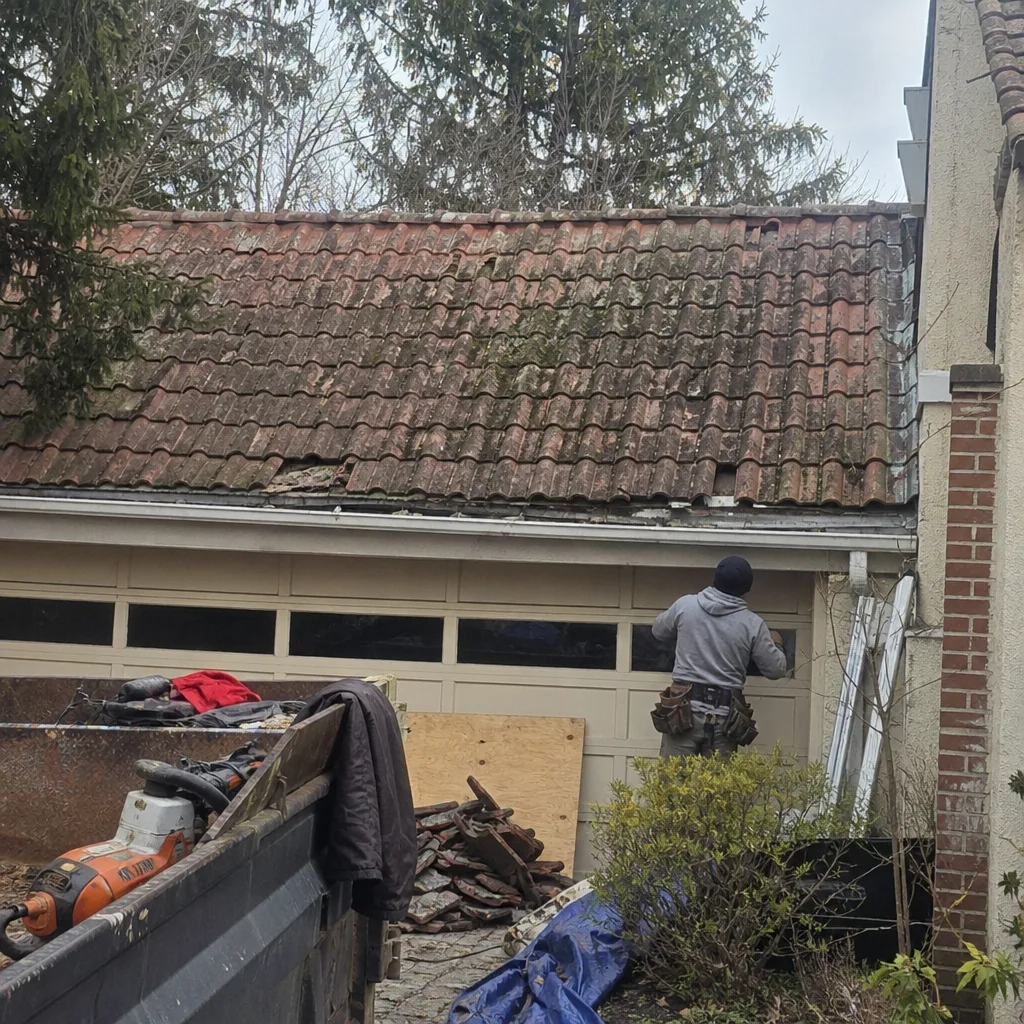 Before
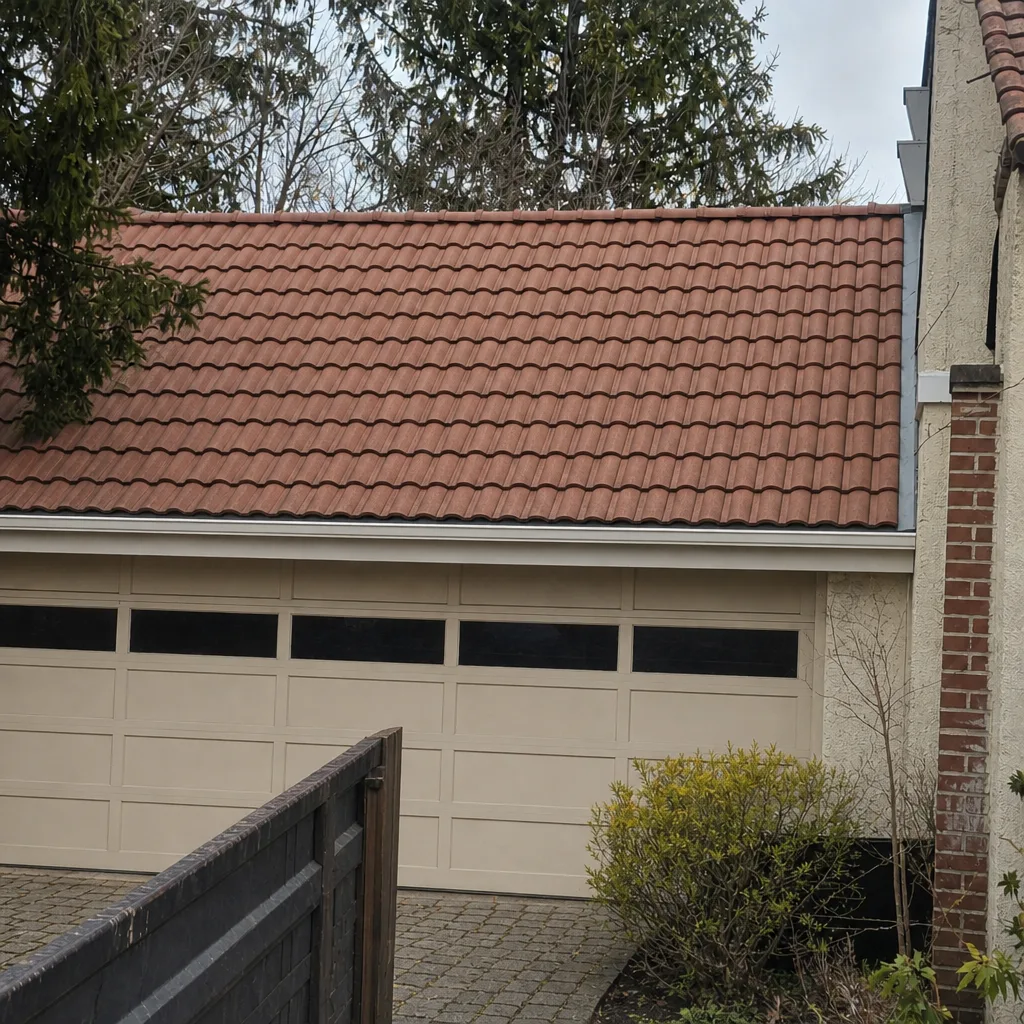 After
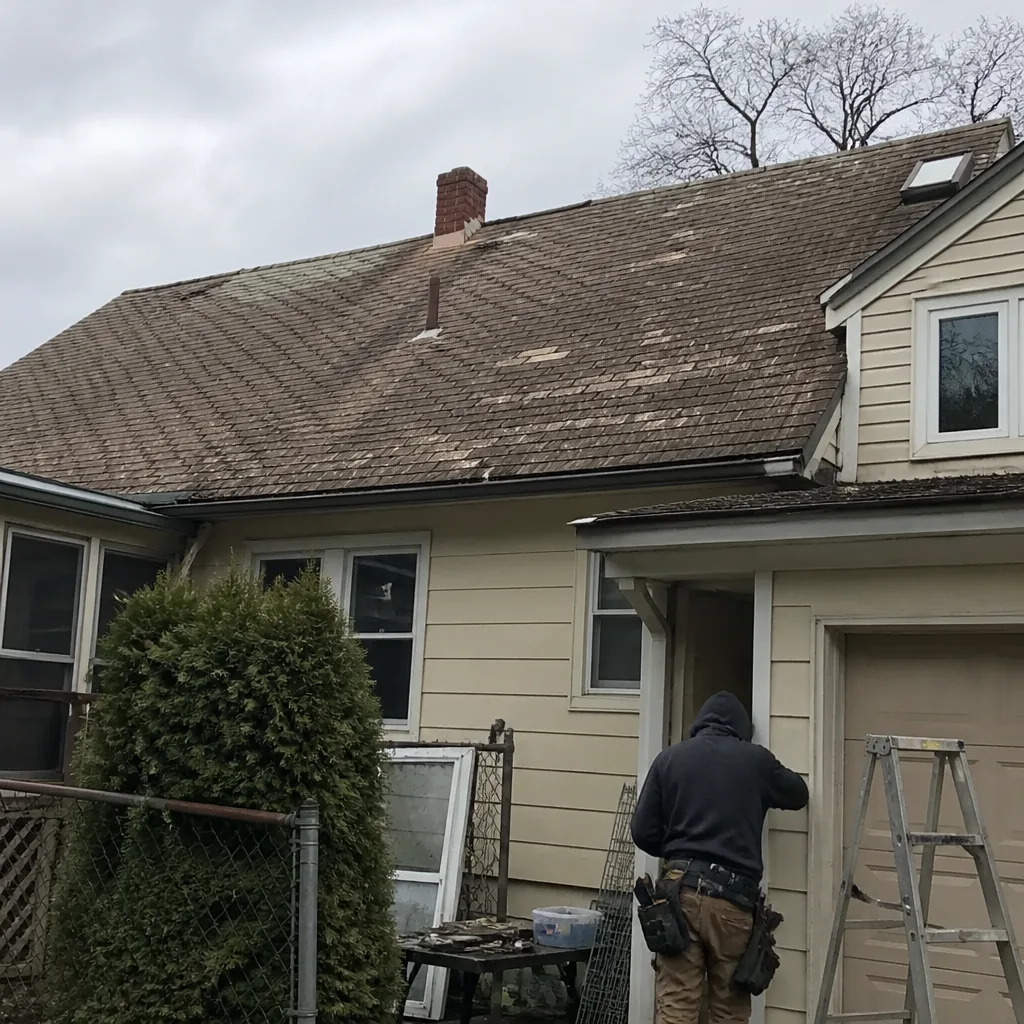 Before
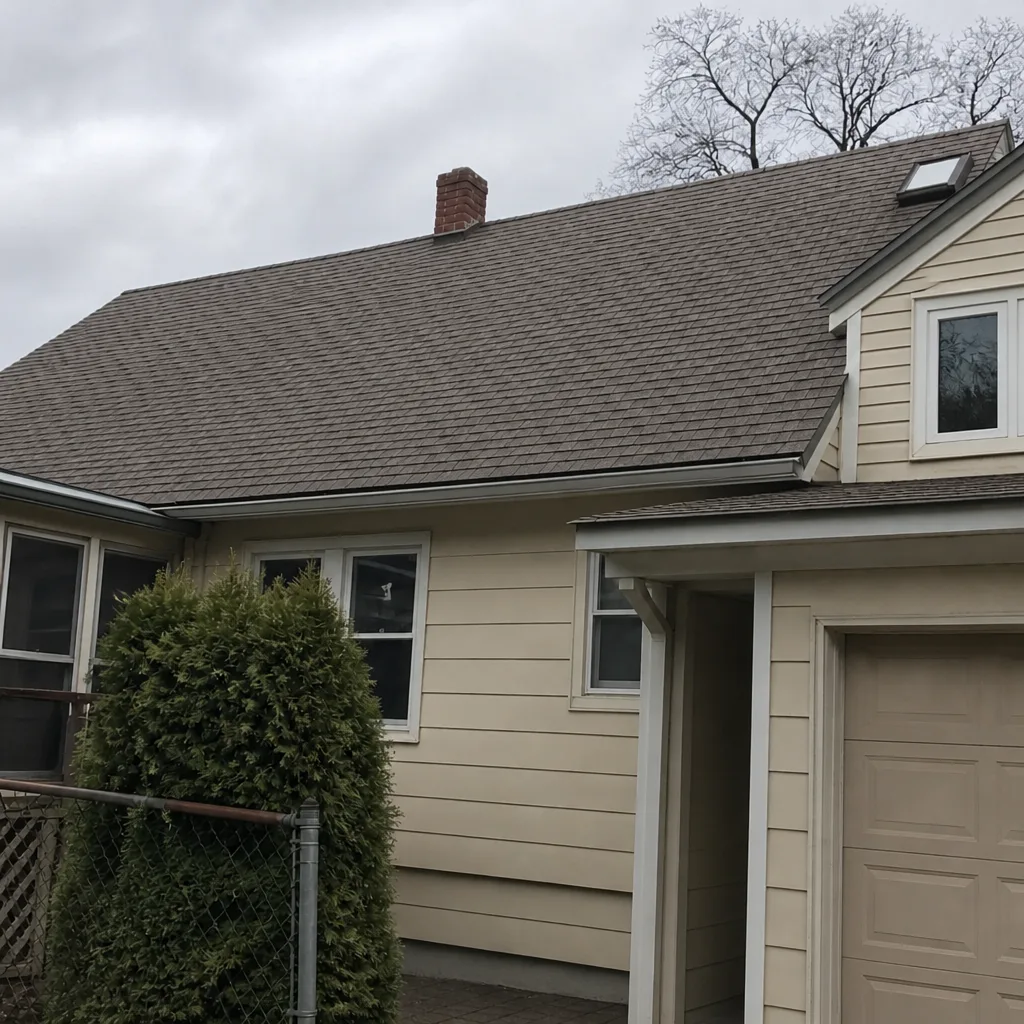 After
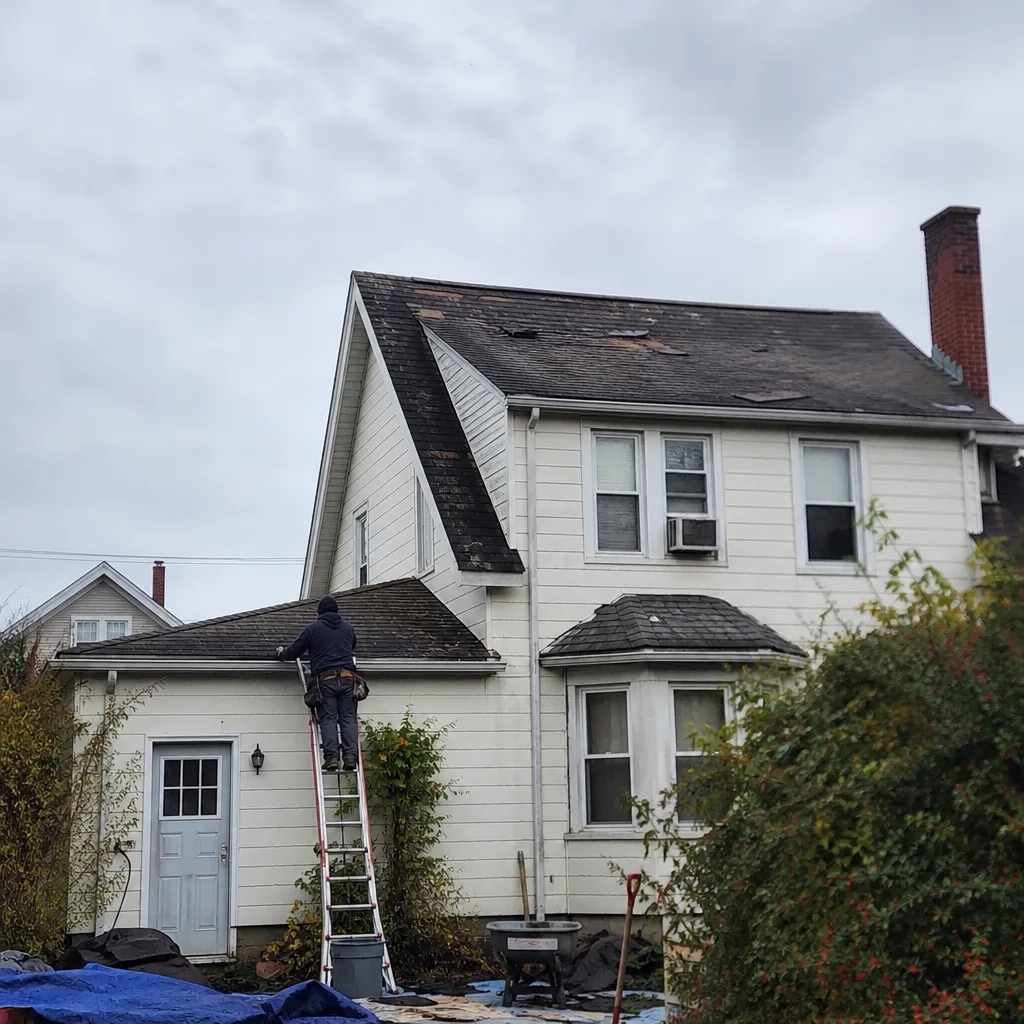 Before
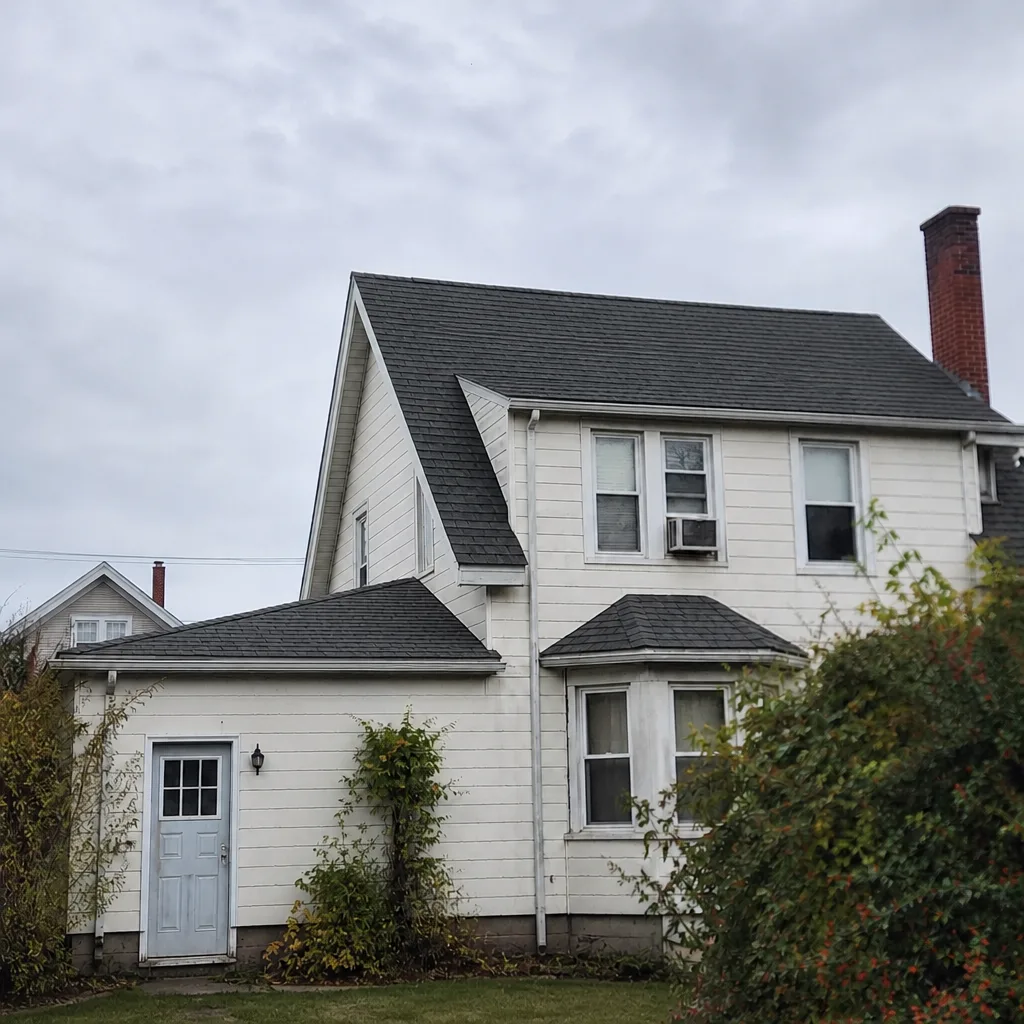 After
When to Call a Professional
Some brand decisions can wait. Others can’t. Call a professional if you’re seeing active leaks, missing or curling shingles, granules collecting in the gutters, or staining on ceilings. Call if your roof is near or past the typical end of its service life, if a storm has caused visible damage, or if you’re preparing to sell and want a condition assessment. Call before you buy shingles of any brand, because the wrong product line is an expensive mistake. Call if you’re being pushed toward one specific manufacturer and want a second opinion. Ashton Roof Repair offers free estimates in Yonkers. Call (833) 741-8977. We answer 24/7. Fast dispatch from 7am to 7pm, Sunday through Friday. Same-day service is often possible, and we’ll tell you straight whether your roof needs a repair, a replacement, or just a closer look.
Frequently Asked Questions
There’s no single best brand in Yonkers, and any roofer who names one without looking at your roof is guessing or steering. GAF, Owens Corning, and CertainTeed are strong premium choices, and IKO and Atlas offer real value in their mid and upper tiers. The right pick depends on your roof’s pitch, exposure, ventilation, and budget. Call (833) 741-8977 for a free estimate and an honest comparison.
We don’t quote prices over the phone, because a shingle roof’s cost depends on the product line, the roof’s size and complexity, and whether decking or flashing needs work. What we can say is that the estimate is free, the quote is written line-item, and the final price is set by that estimate, so the number you see is the number you pay. Call (833) 741-8977 to schedule your free estimate.
Yes, usually. GAF, Owens Corning, and CertainTeed all reserve their enhanced warranty tiers for certified installers, and using an uncertified crew can reduce or void those tiers. Ask which warranty tier your job qualifies for, in writing, before you sign. We install across seven leading manufacturers so we can explain honestly which certification applies. Call (833) 741-8977.
Yes. We offer roof inspections as a standalone service, and you’re under no obligation to buy anything afterward. The inspection tells you the roof’s actual condition and whether a repair or replacement is genuinely needed, which is the starting point for any brand decision. Call (833) 741-8977 to book one.
Sometimes. Premium product lines usually carry stronger wind ratings and better algae resistance, and those matter in the lower Hudson Valley’s humid summers and exposed elevations. But on a simple, sheltered roof with a tight budget, a value-tier product from IKO or Atlas can deliver nearly the same performance. The product line matters more than the brand, and the right answer depends on your roof. Call (833) 741-8977 to talk it through.
Ask why that specific product line fits your roof, what they’d recommend at a different budget, which certifications they hold and how those affect your warranty, and which competing products they considered and ruled out. A roofer who installs across multiple brands can answer all four honestly. A roofer locked into one supplier will struggle with the last one. Call (833) 741-8977 for a comparison you can trust.
The Bottom Line
The best roofing brand in Yonkers is the one whose product line fits your roof’s slope, ventilation, exposure, and budget, and that answer is different for different houses. GAF, Owens Corning, and CertainTeed dominate the premium tier; IKO and Atlas deliver value in the upper mid-range; and the product line within the brand matters more than the name on the wrapper. Warranties hinge on installation detail and certification, and the fine print is where the real value sits. Get an inspection first, ask the questions above, and choose a roofer who installs across multiple manufacturers so the recommendation is about your roof, not their supplier relationship.
Ashton Roof Repair installs across GAF, CertainTeed, Owens Corning, IKO, Atlas, Tamko, and Boral, and handles inspection, repair, and full replacement under one roof. If you’re weighing brands and want an honest comparison, call (833) 741-8977 for a free estimate. We answer 24/7. Fast dispatch from 7am to 7pm, Sunday through Friday.
Written by the team at Ashton Roof Repair, serving Yonkers since 2012.