
Last updated November 14, 2026
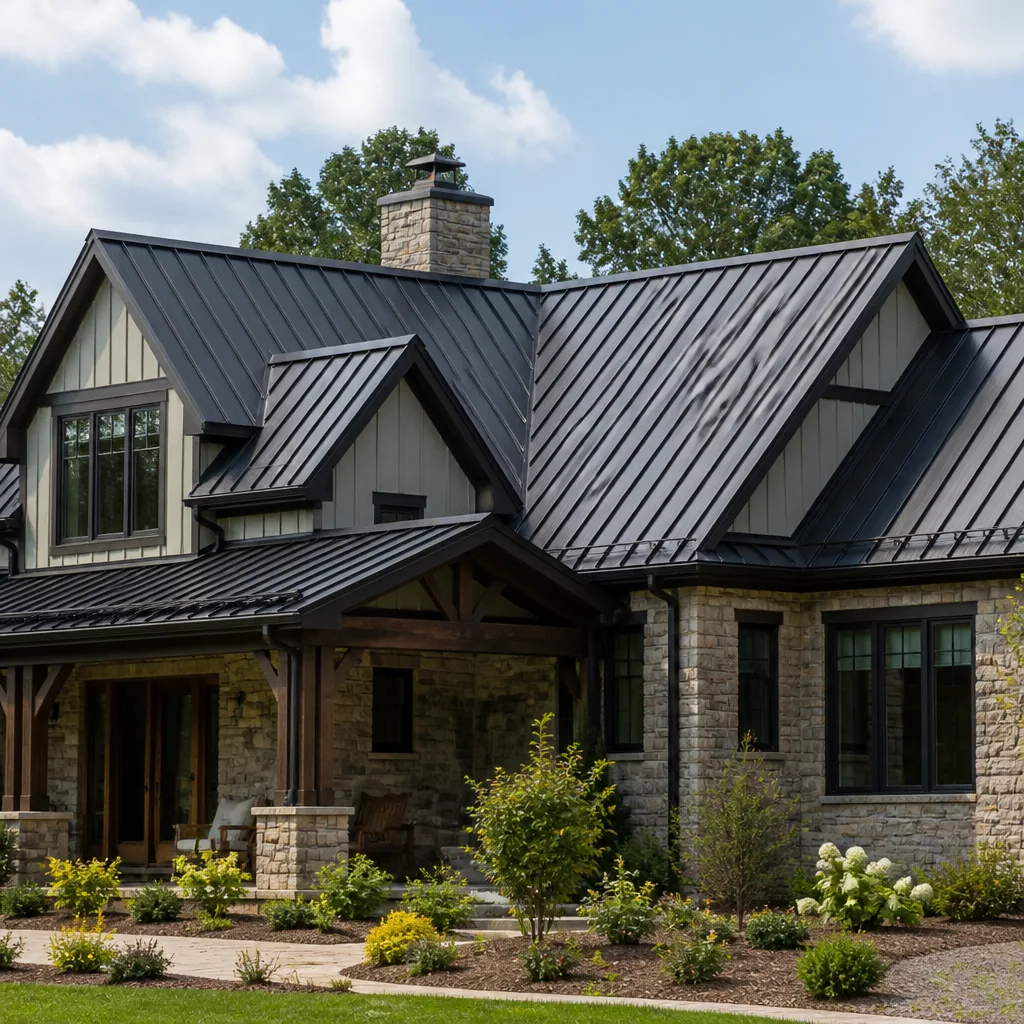 Metal roofing
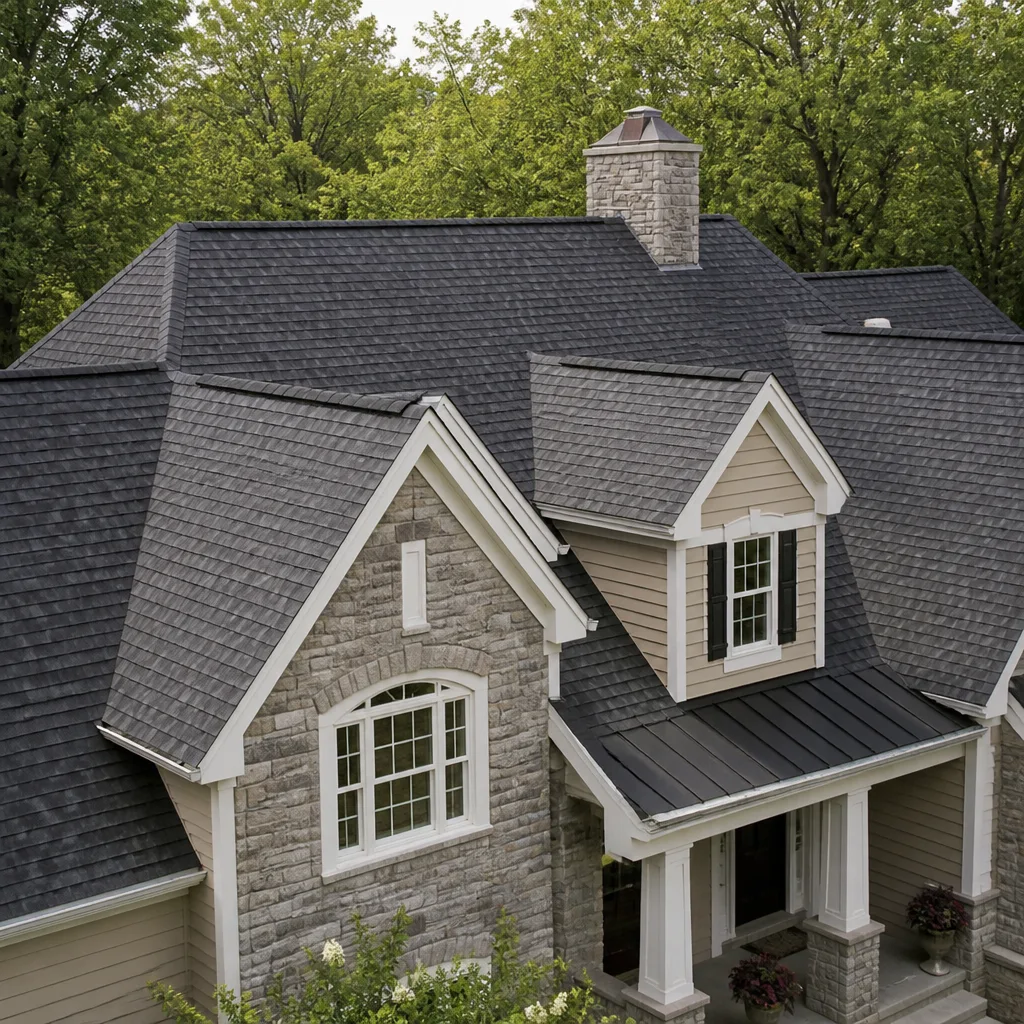 Architectural shingles
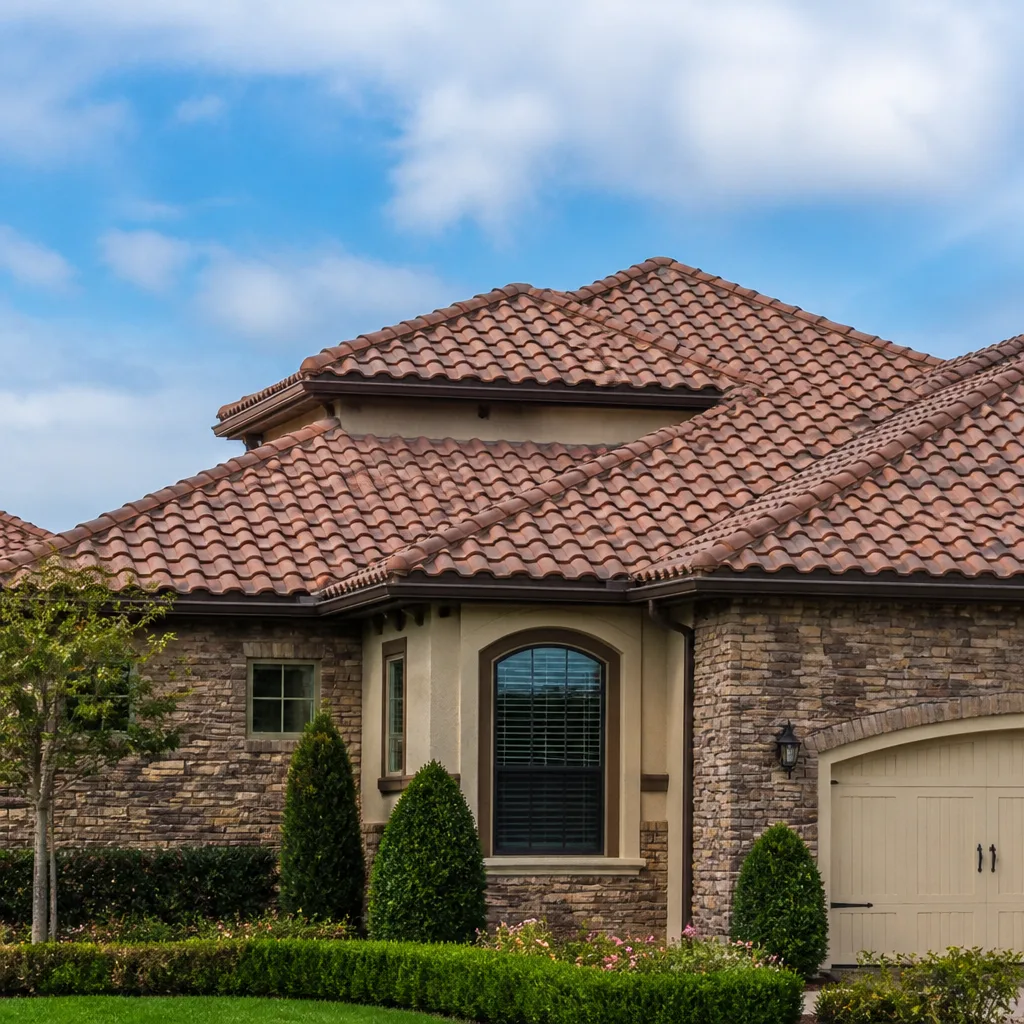 Tile roofing
 GAF
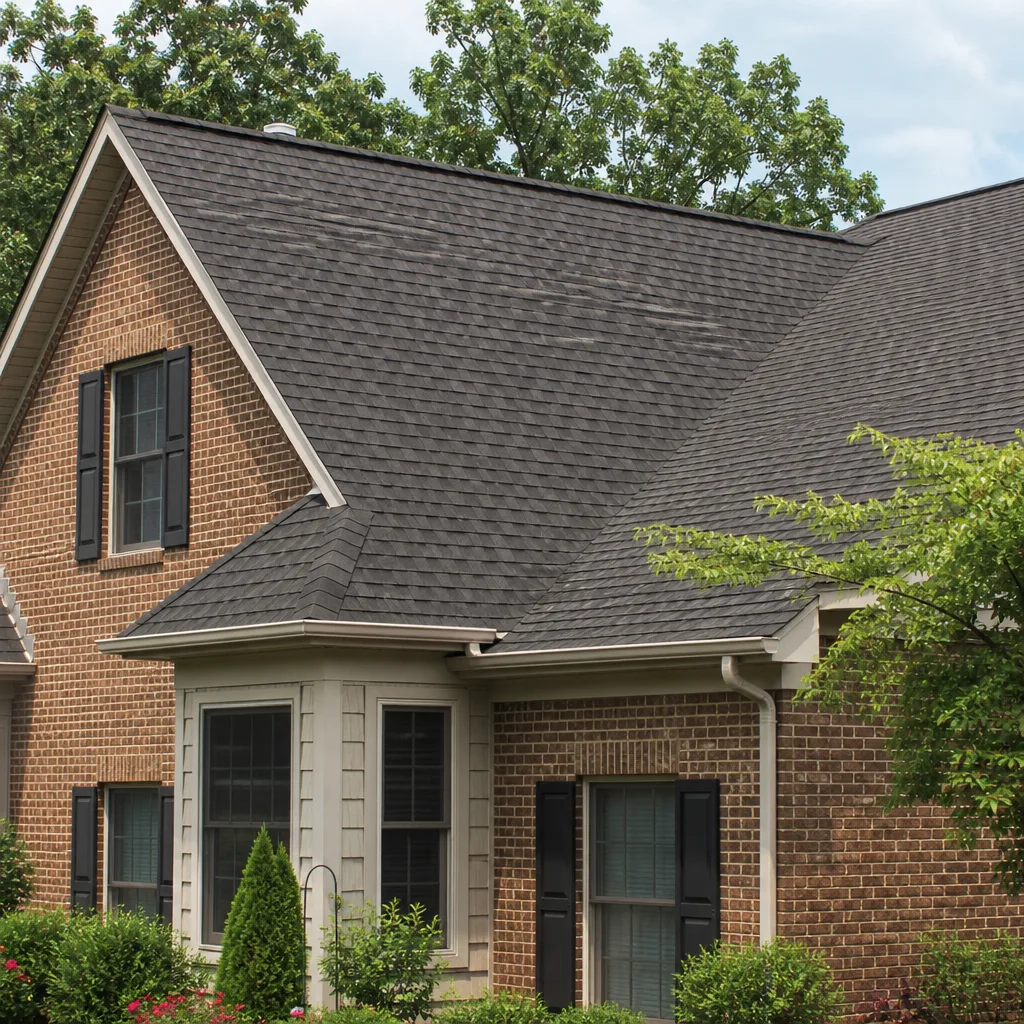 Owens Corning
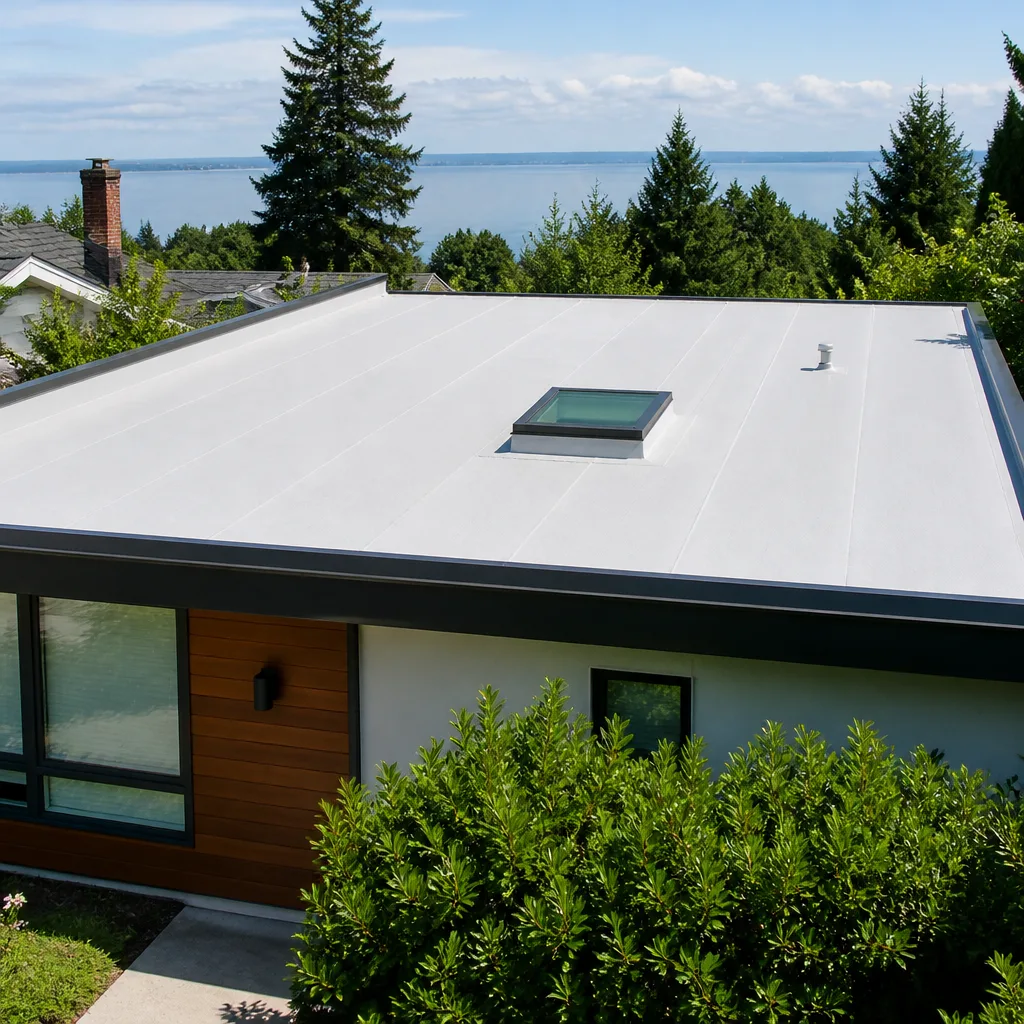 Flat & low-slope
Free roof inspection with deck photos before we talk money - GAF and Owens Corning certified installation
Seasonal Roofing Care for Yonkers: Year-Round Homeowner’s Guide
February and March are when Yonkers roofers field the most emergency calls, and almost every one of those calls traces back to something a homeowner could have caught, or caused, in October. That’s the counterintuitive part of roof care in this city: the season that feels most dangerous isn’t the one that does the most damage. It’s the one that reveals damage the previous season set in motion. Yonkers sits on hills above the Hudson, where freeze-thaw cycles run hard through late winter, and a roof that went into winter with a clogged valley or a lifted flashing detail will find a way to tell you about it in March. This guide walks through what each season actually does to a roof here, what to check and when, and how the calendar shifts depending on whether your roof is five years old or twenty.
Quick Answer
Seasonal roof care in Yonkers works on a cycle: clear debris and inspect valleys and flashing in fall before freeze cycles begin, watch for ice dams and interior stains through winter, probe seams and test drainage in spring after freeze-thaw, and address attic ventilation and heat damage in summer. The most important season is fall, because the decisions you make in October determine whether winter damage stays minor or turns costly by February.
Styles & brands we work with
- Architectural shingles
- Metal roofing
- Tile roofing
- GAF
- Owens Corning
- Flat & low-slope
Table of Contents
- Why Yonkers Weather Stresses a Roof Differently
- Fall: The Season That Sets Everything Else
- Winter: Ice, Snow Load, and What to Watch Inside
- Spring: What a Real Inspection Actually Tests
- Summer: Heat, Attic Ventilation, and Shingle Aging
- How Seasonal Care Changes by Roof Age and Material
- Common Mistakes to Avoid
- When to Call a Professional
Why Yonkers Weather Stresses a Roof Differently
Yonkers gets four distinct seasons, but they don’t apply equal pressure. What makes roofing here demanding is the transition zone between freezing and thawing, which in this region runs from roughly late December into early April. During that stretch, daytime sun can warm a dark shingle surface well above freezing while overnight temperatures drop back below it. Water melts, runs into a seam or a crack, and refreezes. That cycle repeats, and each repetition widens the gap a fraction.
The city’s topography matters too. Yonkers is built on hills that rise from the Hudson, and neighborhoods from Park Hill to Crestwood to Woodstock sit at different elevations and orientations. A roof facing north on a shaded slope holds snow and ice noticeably longer than an east-facing roof a few blocks away. That means two homes on the same street can need very different seasonal attention, and a generic national roofing checklists won’t account for it.
Housing stock adds another layer. Yonkers has a deep mix of older homes, many with original roof structures and unheated or under-ventilated attic spaces, alongside newer construction. Older framing tolerates less moisture before it shows damage, and older roof decks are more likely to have been patched over the years in ways that create hidden weak points. Here are the forces you’re managing across the year:
- Freeze-thaw cycles – the dominant driver, working on seams, flashing, and any penetration in the roof surface.
- Snow and ice accumulation – weight on the deck and, more importantly, ice dams at the eaves.
- Summer heat – shingle expansion and attic temperatures that age shingles from the underside.
- Rain volume – concentrated spring and fall storms that push water into any open detail.
- Wind – lifting and creasing shingles near ridges and gable ends during storm events.
None of these are unique to Yonkers in isolation. What’s specific is how they arrive in sequence here, each one priming the roof for the next. That sequencing is the whole reason a seasonal calendar makes sense.
Fall: The Season That Sets Everything Else
Fall is the season that matters most, and it’s the one homeowners skip when life gets busy. Everything you do in October and November either sets your roof up to handle the freeze-thaw stretch or leaves it exposed to it. When we inspect roof problems in Yonkers, the damage we find in late winter usually traces to a detail that wasn’t cleared or checked in the fall.
The non-negotiable fall tasks, in order:
- Clear debris from the roof surface and all valleys. Leaves and twigs collect in valley channels and behind chimneys. Once that debris is wet and frozen, it holds moisture against the roof surface all winter and blocks drainage.
- Clear the gutters and downspouts. A functional roof still fails if water can’t leave. Backed-up gutters push water up under the bottom course at the eave and set up ice dams.
- Inspect valleys and flashing before the first hard freeze. Valleys carry the most water of any roof area. Flashing around chimneys, skylights, and where roof planes meet walls is where most leaks originate. Check that flashing is tight and the sealant is still flexible, not cracked.
- Check the attic and insulation at the eave line. Ice dams form when warm air from the house melts roof snow that refreezes at the cold eave. Sealing air leaks and confirming insulation isn’t blocking soffit vents is prep work, not repair work, and it’s the single most effective ice dam prevention step.
- Look for lifted, cracked, or missing shingles and note them. A shingle that’s already compromised going into winter will be worse by spring. Catching it in fall means a small repair instead of water in the attic.
Getting these done before the freeze cycles start is the point. A valley cleared in October drains freely all winter; one cleared in January may have already done its damage. If fall gets away from you, an honest roof inspection is still worth having before the worst of the season arrives.
Winter: Ice, Snow Load, and What to Watch Inside
Winter in Yonkers is less about the roof surface than about what the freeze-thaw cycle and ice dams are doing beneath it. Ice dams form when snow melts on the warmer upper part of the roof, runs down to the colder eave, and refreezes into a ridge of ice. Water then pools behind that ridge and works its way under shingles and into the house. The damage shows up inside, well before it’s visible on the roof.
What to watch for through the winter:
- Icicles along the eave line. Heavy, persistent icicles are a sign that water is running off and refreezing, which means the conditions for an ice dam are present.
- Interior stains on ceilings and upper walls. Discoloration near exterior walls or on ceiling areas just inside the roof edge can point to ice dam water or a flashing leak.
- Frost or dampness on the attic sheathing. That’s moisture that has nowhere to vent and will cause rot or mold if it persists.
- Sagging or unusual deflection. Rare, but heavy snow load combined with a weakened deck is something to take seriously and call about.
One thing to avoid: climbing onto a snow-covered or icy roof to clear it yourself. Roofing in winter conditions is genuinely dangerous, and a fall from a pitched roof costs far more than any repair. If snow or ice needs to come off, that’s work for someone trained and equipped for it. Likewise, don’t try to chip ice off the eave with a tool; you’ll damage shingles and flashing faster than you’ll solve the problem. If a leak appears mid-winter, we can work with your insurer on documented damage, but the priority is stopping water intrusion, and that starts with a call.
Spring: What a Real Inspection Actually Tests
April and May are when the cumulative damage from winter surfaces, and this is where a “spring inspection” earns its name. A walk-around from the ground is not an inspection. A real post-freeze assessment probes and tests specific things that a visual pass misses. When we do an inspection in Yonkers after freeze-thaw season, here’s what actually gets checked:
- Probe the sealant and flashing joints by hand. Flexible sealant that has hardened or separated from the surface during the cold won’t be obvious from a distance. Pushing on it shows whether it’s still doing its job.
- Test the valleys for drainage. Run water through a valley to confirm it sheds the way it should, rather than pooling or diverting under shingles.
- Check shingle tabs for creasing and seal-strip failure. Freeze-thaw and wind can break the seal between shingle courses. Look for tabs that lift easily or show hairline cracks along the seal line.
- Inspect the eave and fascia area for water tracking. Ice dam water leaves a signature: staining, soft wood, or peeling paint at the eave. That tells you whether this winter caused damage even if no leak reached the interior.
- Look inside the attic. Check sheathing for staining, frost damage, or soft spots, and confirm vents are clear. Interior conditions often reveal what the roof surface won’t.
- Confirm the gutters survived the winter. Ice and snow load can pull gutters loose from the fascia. Loose gutters at the start of the rainy season mean water against the foundation.
Spring is also your last good window to address a repair before summer heat makes shingle work harder and before the next storm season. If something the inspection turns up needs fixing, a roof repair done now is far less disruptive than one done mid-summer.
Summer: Heat, Attic Ventilation, and Shingle Aging
Summer feels like the gentlest season for a roof, and for the shingle surface itself it mostly is. But summer is when Yonkers’ urban heat island effect does its quiet work. Dense neighborhoods with lots of pavement and closely packed roofs hold heat overnight and push attic temperatures higher than a suburban roof a few miles away would see. That trapped heat ages shingles from below, which is the part most homeowners never consider.
Here’s the mechanism. Sunlight heats the roof surface, and that heat radiates into the attic. If the attic can’t vent it out through soffit and ridge or roof vents, temperatures climb and stay elevated. The underside of the shingle deck bakes, the shingles themselves expand and soften, and the adhesive strips that hold courses together weaken. A roof that runs hot every summer ages faster than one that breathes properly, and the damage shows up as premature cracking and granule loss, not as an obvious leak.
What summer care looks like:
- Confirm attic ventilation is working. Check that intake vents at the soffits and exhaust vents near the ridge are clear and balanced. Blocked intake vents are common and quietly defeat the whole system.
- Watch for granule loss and shingle blistering. Granules in the gutter and blistered shingle surfaces point to heat aging and moisture movement within the shingle.
- Inspect after summer storms. Wind and heavy rain can lift tabs, drive water into open seams, and loosen flashing. A check after a significant storm catches problems early.
- Note any interior heat gain near the roof. A second floor that becomes noticeably hotter in summer than the rest of the house often points to ventilation problems as much as insulation.
Materials matter here too. When we install asphalt shingles, we work across GAF, CertainTeed, Owens Corning, IKO, Atlas, Tamko, and Boral, and some product lines handle heat cycling differently than others. Ventilation is the first fix, but when a roof is due for replacement, matching the product to the attic conditions and the exposure actually matters. If summer inspections point toward a full roof replacement, that’s a conversation to have with an honest comparison in hand, not a single manufacturer’s pitch.
How Seasonal Care Changes by Roof Age and Material
The same calendar year looks different depending on what you’re standing on. A five-year-old architectural shingle roof and a twenty-year-old 3-tab roof have different vulnerabilities, and treating them the same is one of the more common seasonal care mistakes we see. Here’s how the priorities shift.
A newer architectural shingle roof (roughly 5 to 12 years)
A roof in this range is generally in good shape, and seasonal care is mostly preventive: clearing debris, checking flashing, and confirming attic ventilation. The main risks are installation details that have worked loose and the first failures at penetrations. Fall debris removal and a spring check of valleys and flashing keep it ahead of problems. Heat aging is the long-term concern, so ventilation deserves early attention.
An older 3-tab roof (roughly 15 to 20-plus years)
An older 3-tab roof is nearing or past its expected service life, and it deserves closer watching each season. 3-tab shingles are thinner, seal strips are more likely to have failed, and freeze-thaw takes a heavier toll on worn material. Through winter, you should expect more ice dam vulnerability, and in spring, look closely at tab integrity and granule loss. At this age, repairs still make sense when a problem is isolated, but the seasonal plan should include an honest assessment of whether the roof is at the point where repeated repairs are just buying time.
Other roof surfaces
Some Yonkers homes have flat or low-slope roof sections, often over porches, additions, or garages. These fail differently. Water sits rather than running off, and freeze-thaw does its damage to seams and membrane edges. Low-slope sections need seasonal drainage checks and seam inspection, and pooling water after a storm should always be looked at. If your roof has a mix of pitched and flat areas, plan for both in your seasonal routine.
If you’re unsure where your roof falls, that’s exactly what a standalone inspection is for. You don’t need to be buying anything to have your roof assessed.
Common Mistakes to Avoid
- Skipping fall cleanup because the roof “looks fine.” Debris in valleys and behind chimneys isn’t visible from the ground, and it’s the most common cause of winter water problems in Yonkers. A roof can look clean and still be holding leaves in the one channel that matters.
- Treating a spring walk-around as an inspection. Looking at the roof from the driveway doesn’t probe sealant, test drainage, or check the attic. The things that fail after freeze-thaw mostly fail out of view.
- Ignoring attic ventilation in summer. Homeowners tend to think about the roof from above. Heat aging happens from below, and in denser Yonkers neighborhoods with their heat island effect, poor ventilation catches up to shingles faster.
- Climbing onto the roof after a storm to check damage. Storm and wind events loosen more than shingles. It’s the most dangerous time to be up there, and a trained eye working safely will find more than a quick personal check.
- Letting one small, repeated leak keep getting patched. If the same spot leaks every winter, the seasonal cycle is telling you something the patch isn’t addressing. Repeated patching without diagnosing the cause wastes money.
- Assuming a newer roof needs no seasonal attention. Five-year-old roofs have installation details that can loosen, and ventilation problems set in early. Age reduces risk; it doesn’t eliminate seasonal care.
- Choosing a roofer who only sells one brand. If the only recommendation you ever get is for whichever material a company stocks, you’re not getting a comparison. Fit and conditions should drive the choice.
When to Call a Professional
Some seasonal care is yours to handle: clearing debris, checking gutters, watching for interior stains. Other situations call for someone on the roof. Call a professional if you find active water intrusion, persistent icicles along the eave line, stained or soft wood in the attic, lifted or missing shingles after a storm, or a leak that keeps returning to the same spot each winter. Call before you’re buying anything, too, if you’re unsure of your roof’s condition. An honest assessment first, a recommendation second, is how it should go.
At Ashton Roof Repair, we work across GAF, CertainTeed, Owens Corning, IKO, Atlas, Tamko, and Boral, so the material fits your roof rather than our inventory. We offer free estimates in Yonkers. Call (833) 741-8977 to schedule yours. We answer 24/7, and fast dispatch runs from 7am to 7pm, Sunday through Friday.
See the difference
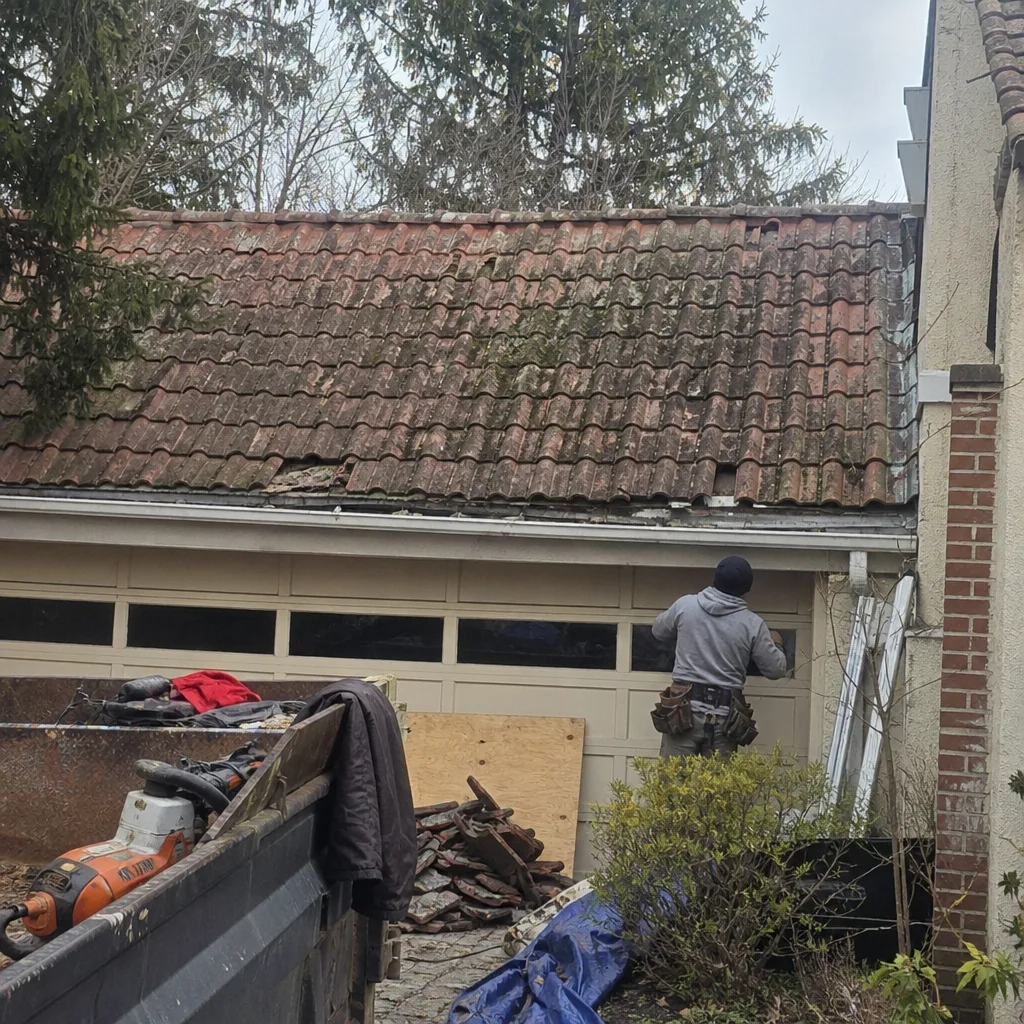 Before
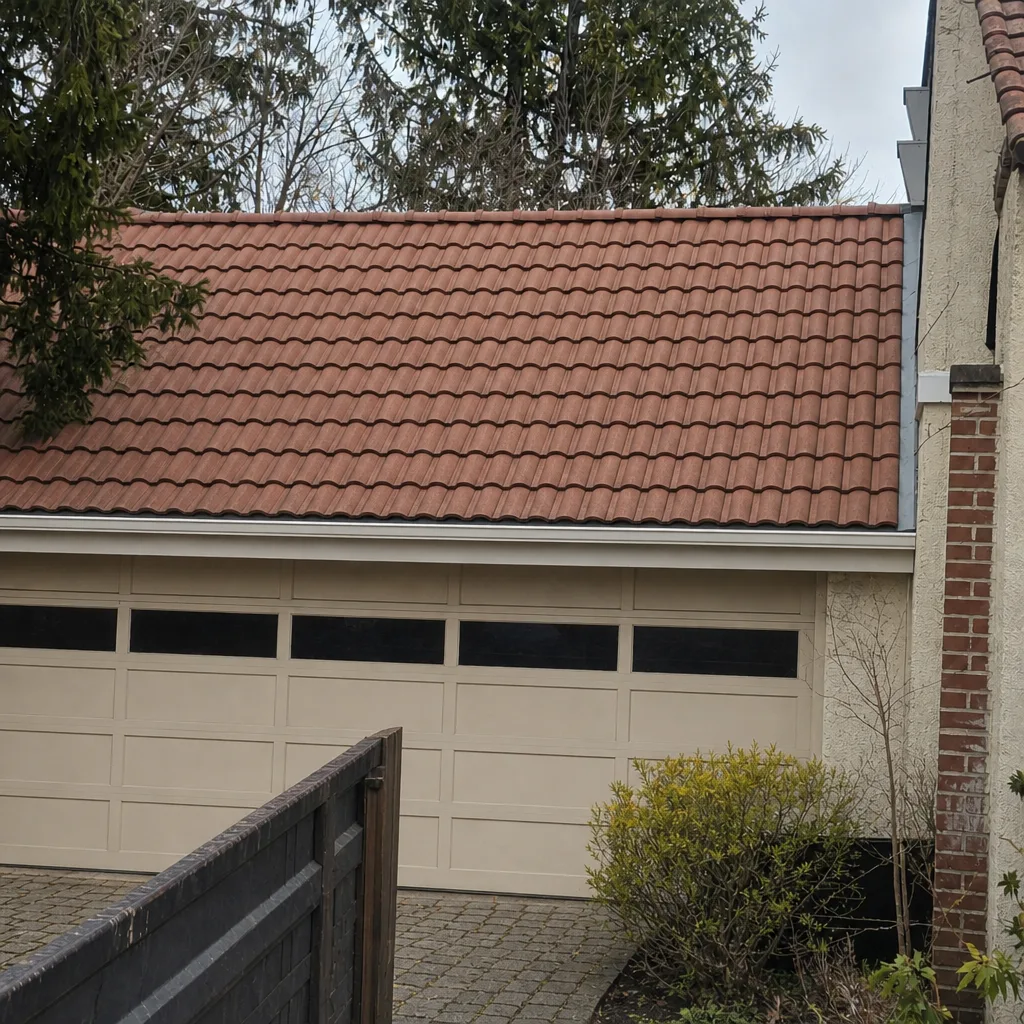 After
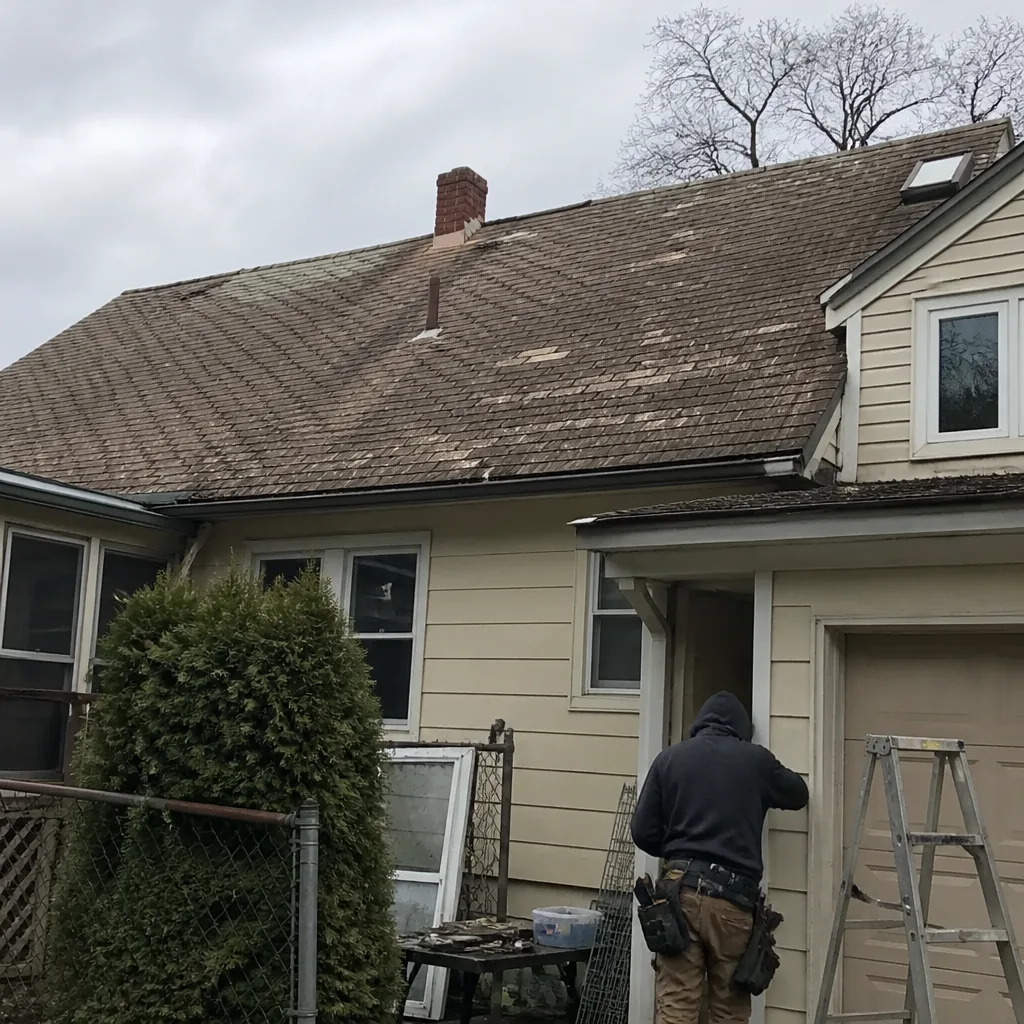 Before
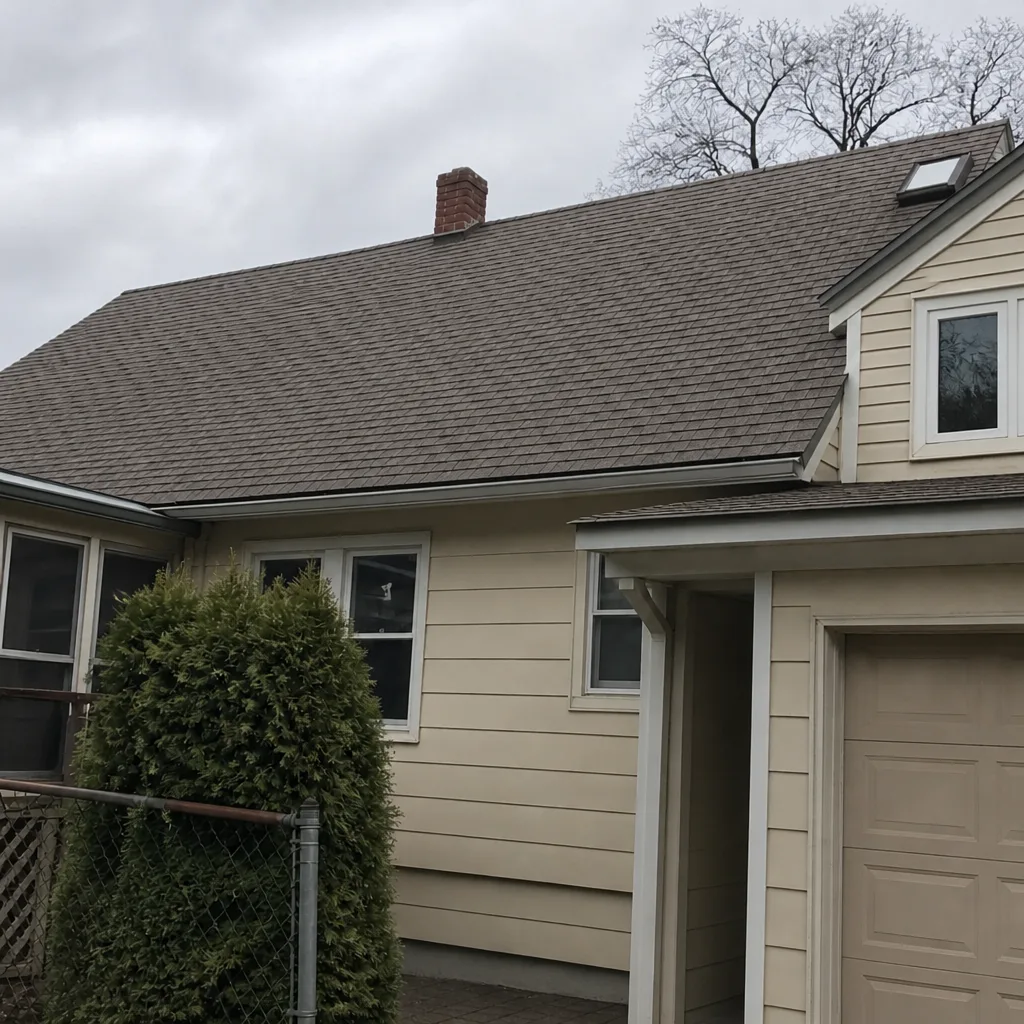 After
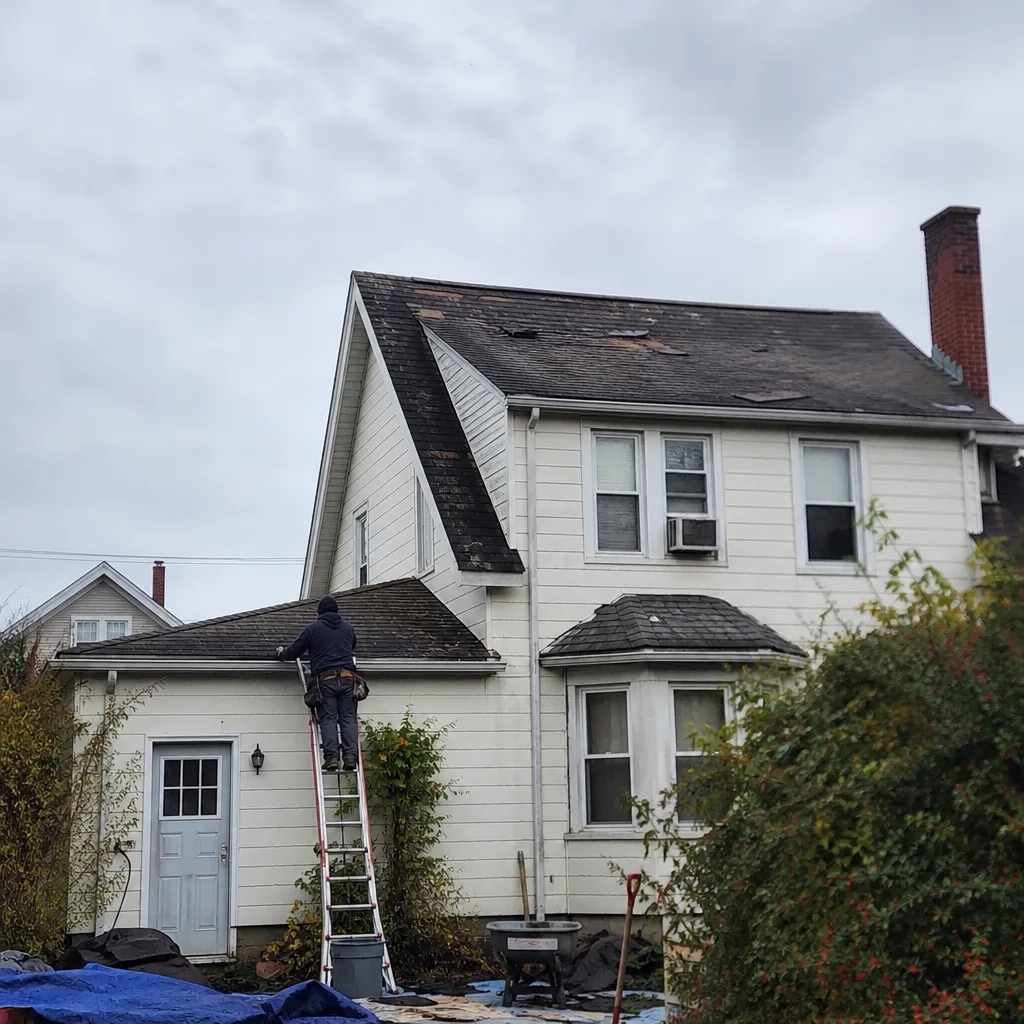 Before
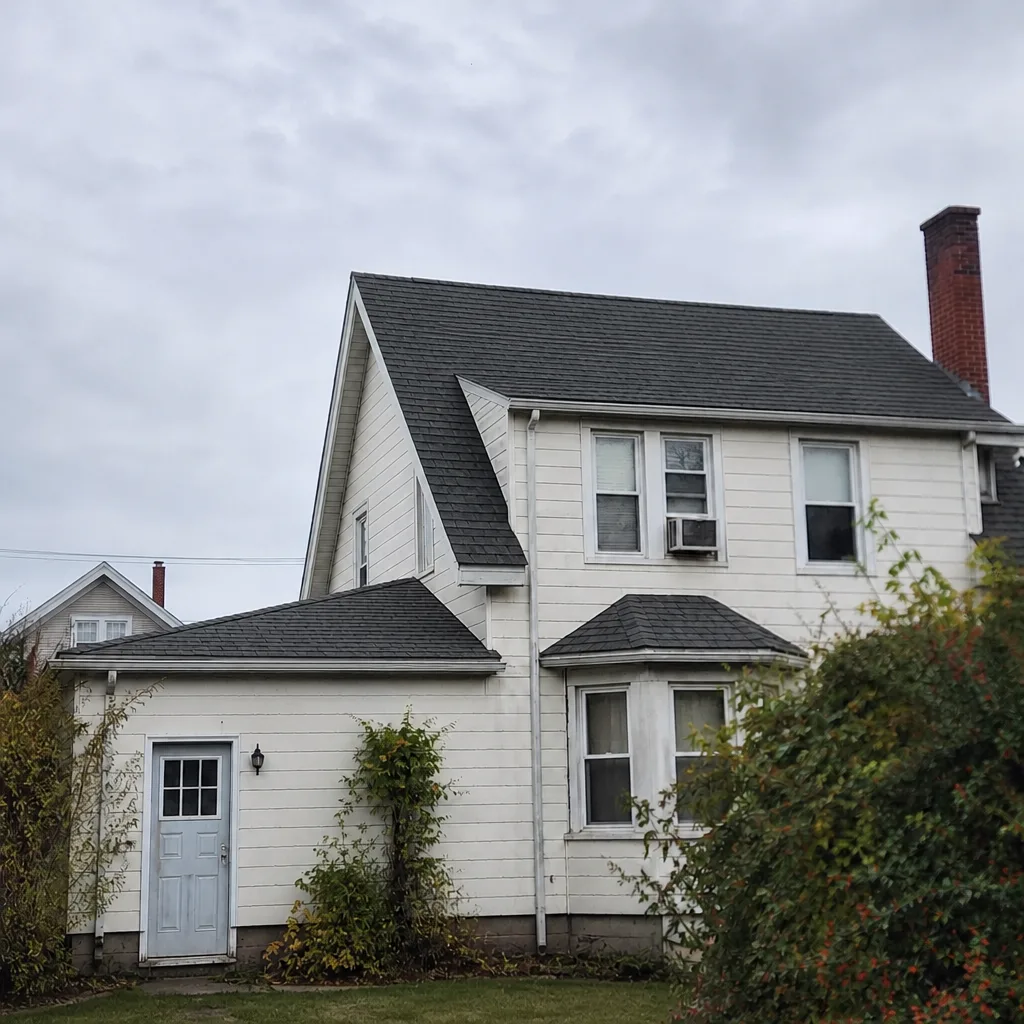 After
Frequently Asked Questions
Fall is the most important season, because the work you do in October and November determines how much damage winter’s freeze-thaw cycles can do. Clearing valleys, checking flashing before the first hard freeze, and preventing ice dam conditions all happen in fall. A roof that goes into winter clean and sealed handles the freeze-thaw stretch far better than one that doesn’t.
Ice dam prevention starts in the attic, not on the roof. Sealing air leaks that let warm air escape into the attic and confirming that insulation isn’t blocking soffit vents keep the eave cold, which stops the melt-and-refreeze cycle that forms ice dams. Clearing gutters and roof drainage before winter helps too. If ice dams have already caused problems, call (833) 741-8977 for an assessment. Estimates are free.
Hail is uncommon here. The storm and impact damage Yonkers roofs see most is from wind, which lifts and creases shingles, and from heavy rain driving into open seams and flashing. After any significant storm, it’s worth checking for lifted tabs and new interior stains. If you’re unsure, a roof inspection takes the guesswork out. Call (833) 741-8977 to schedule one.
A hot attic usually means ventilation isn’t moving heat out properly, often because intake vents are blocked. It does hurt the roof: trapped heat ages shingles from below, softening them and weakening the adhesive strips between courses. In Yonkers’ denser neighborhoods, where pavement and closely packed roofs hold heat, this effect is more pronounced. Fixing ventilation protects the shingles and can help the whole house stay cooler.
An annual inspection works well for most homes, ideally in spring after freeze-thaw season, with a fall cleanup before winter. Roofs near the end of their service life, or those that have had storm damage, benefit from a closer look after major weather events. A standalone inspection is available even if you’re not ready for any repair or replacement, so you get an honest read on condition.
It depends on what’s found, and that’s why a proper assessment comes first. Isolated problems on a roof in reasonable condition, like a failed flashing detail or a few damaged shingles, usually point to repair. Widespread shingle failure, repeated leaks, or a roof at the end of its expected life point toward replacement. We tell you which makes sense. Call (833) 741-8977 for a free estimate and an honest read.
The Bottom Line
Yonkers’ four seasons don’t stress a roof equally. Fall does the most to determine outcome, winter exposes what fall missed, spring is when the cumulative damage surfaces, and summer ages shingles quietly from below. The practical takeaway: clean and check in fall before freeze cycles, watch for ice dams and interior stains through winter, probe and test in spring, and protect attic ventilation in summer. Adjust the calendar to your roof’s age and material, and call when something is beyond a visual check. A roof that’s cared for seasonally needs far fewer emergency calls. Ashton Roof Repair provides inspection, repair, and replacement under one roof, working across seven leading manufacturers so the material fits your roof. Call (833) 741-8977 for a free estimate.
Written by the team at Ashton Roof Repair, serving Yonkers since 2012.