
Last updated November 14, 2026
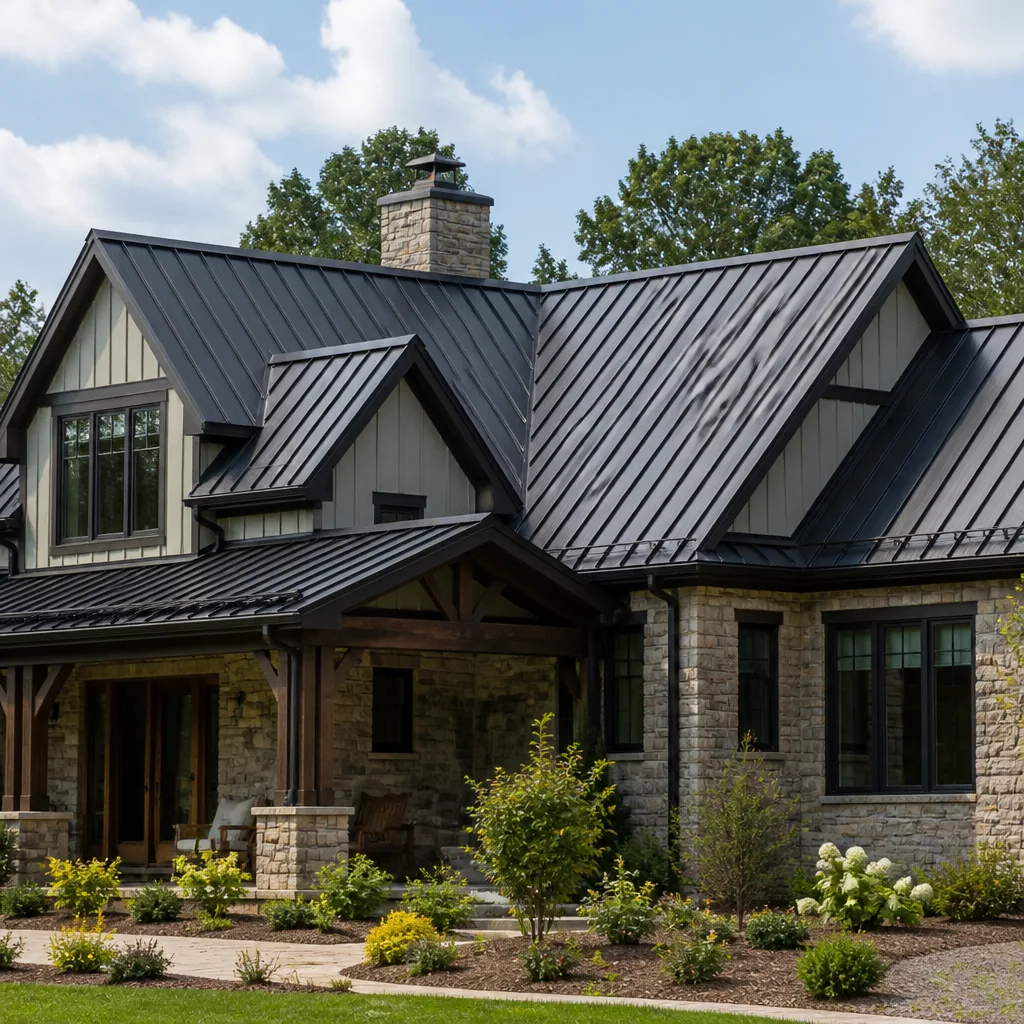 Metal roofing
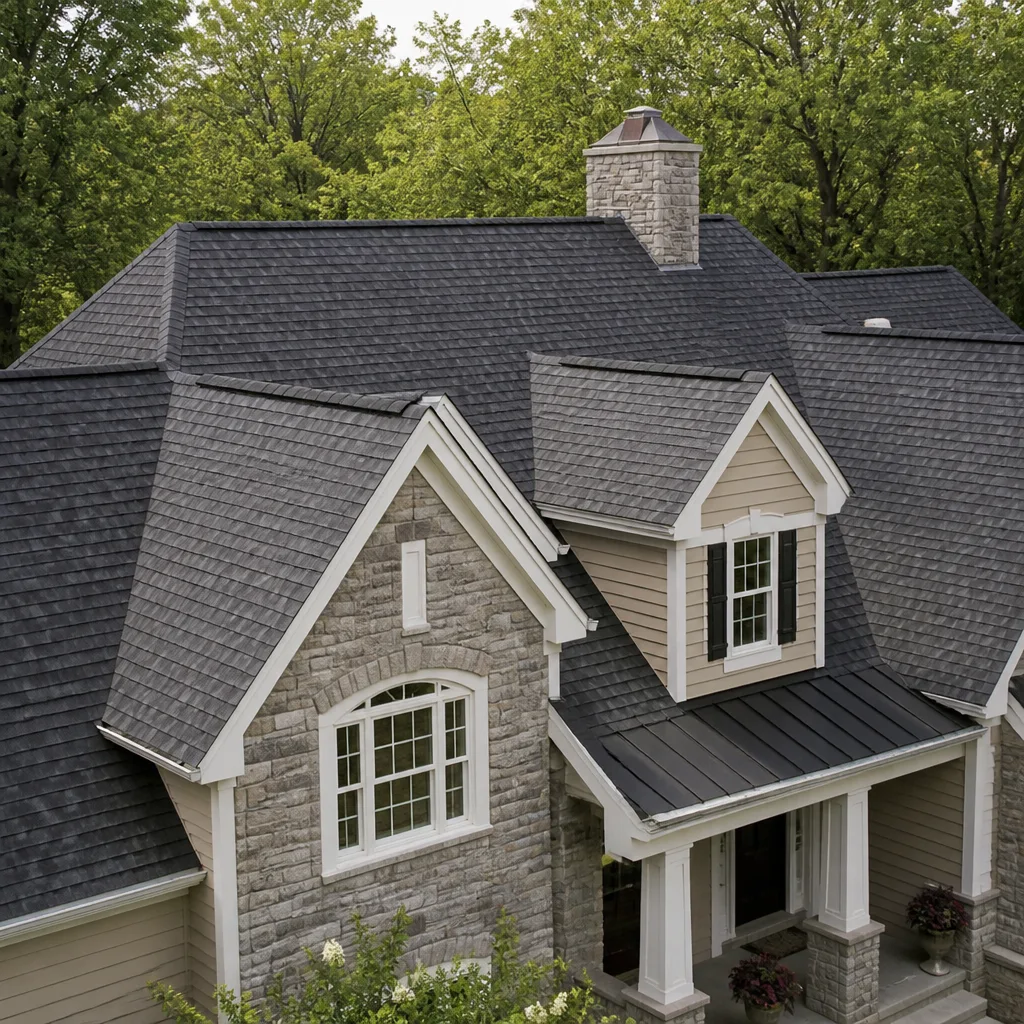 Architectural shingles
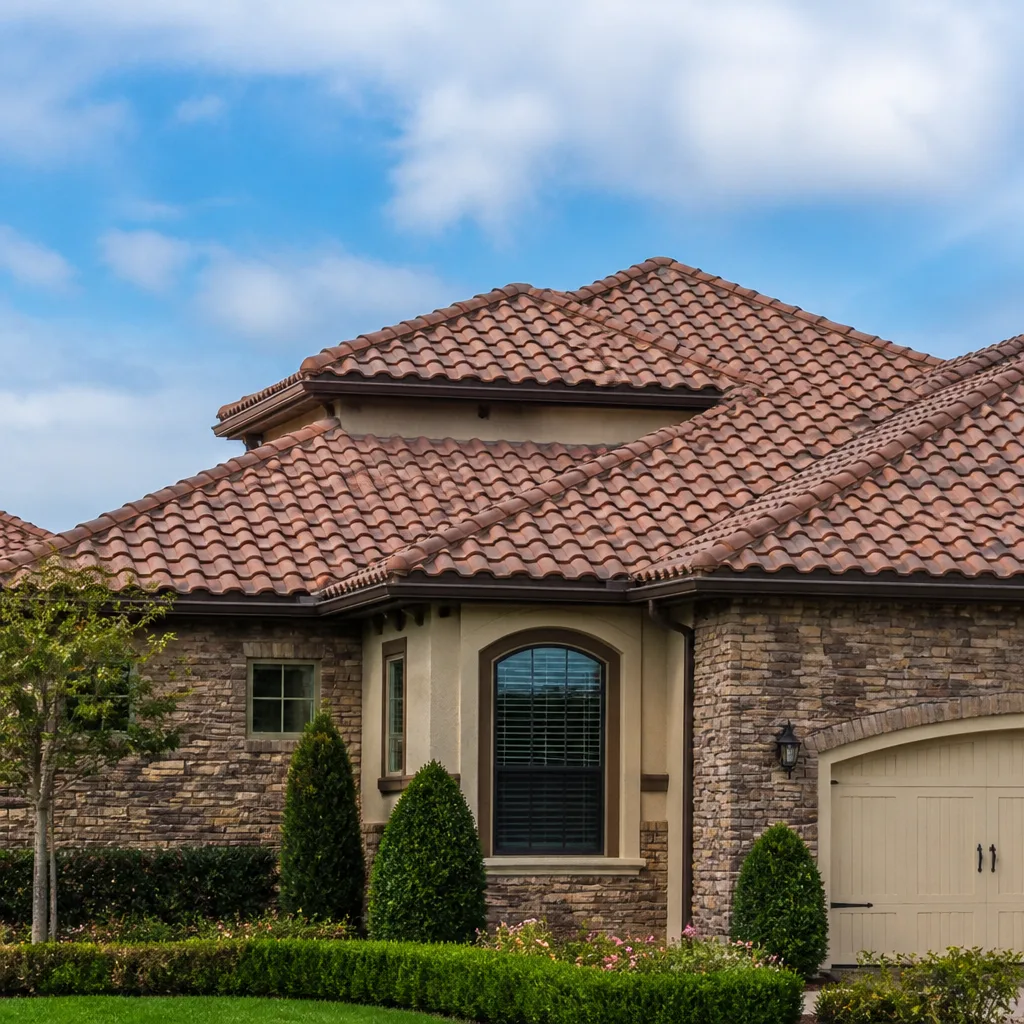 Tile roofing
 GAF
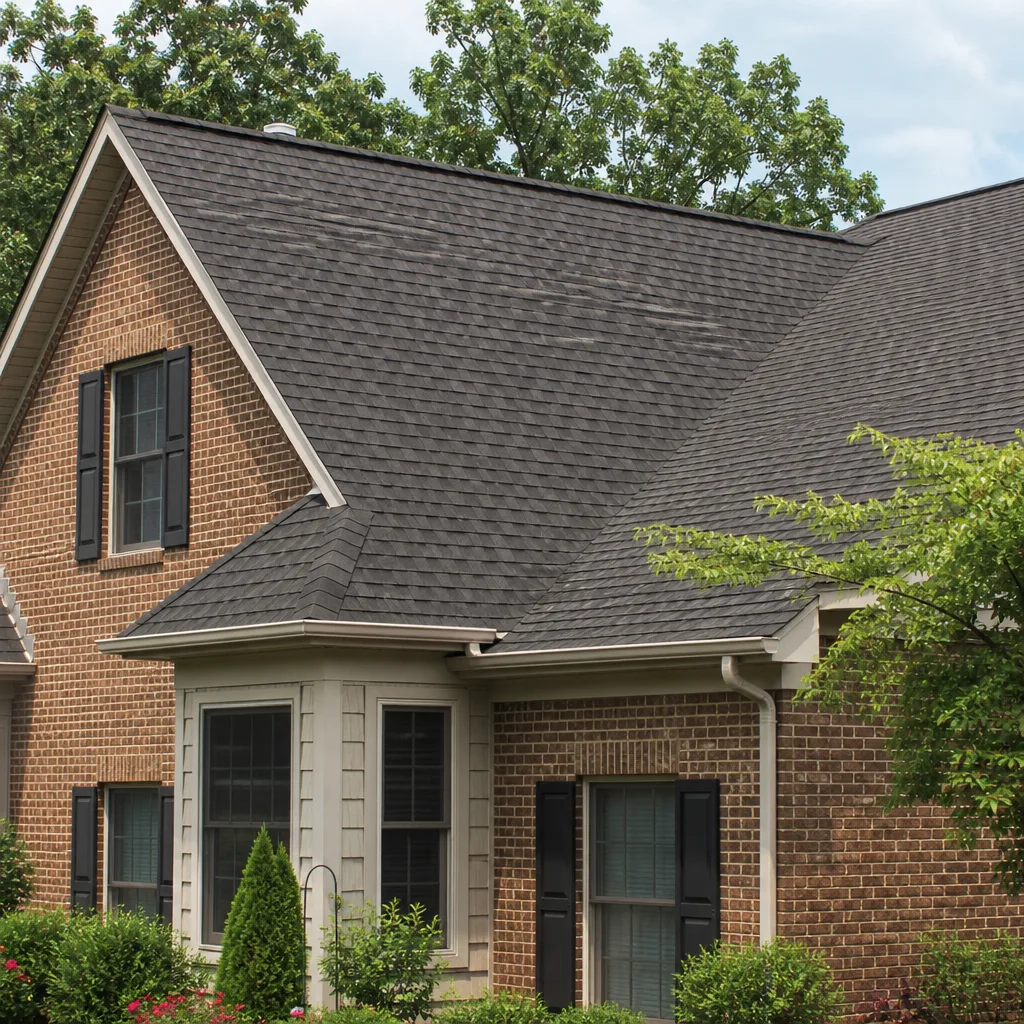 Owens Corning
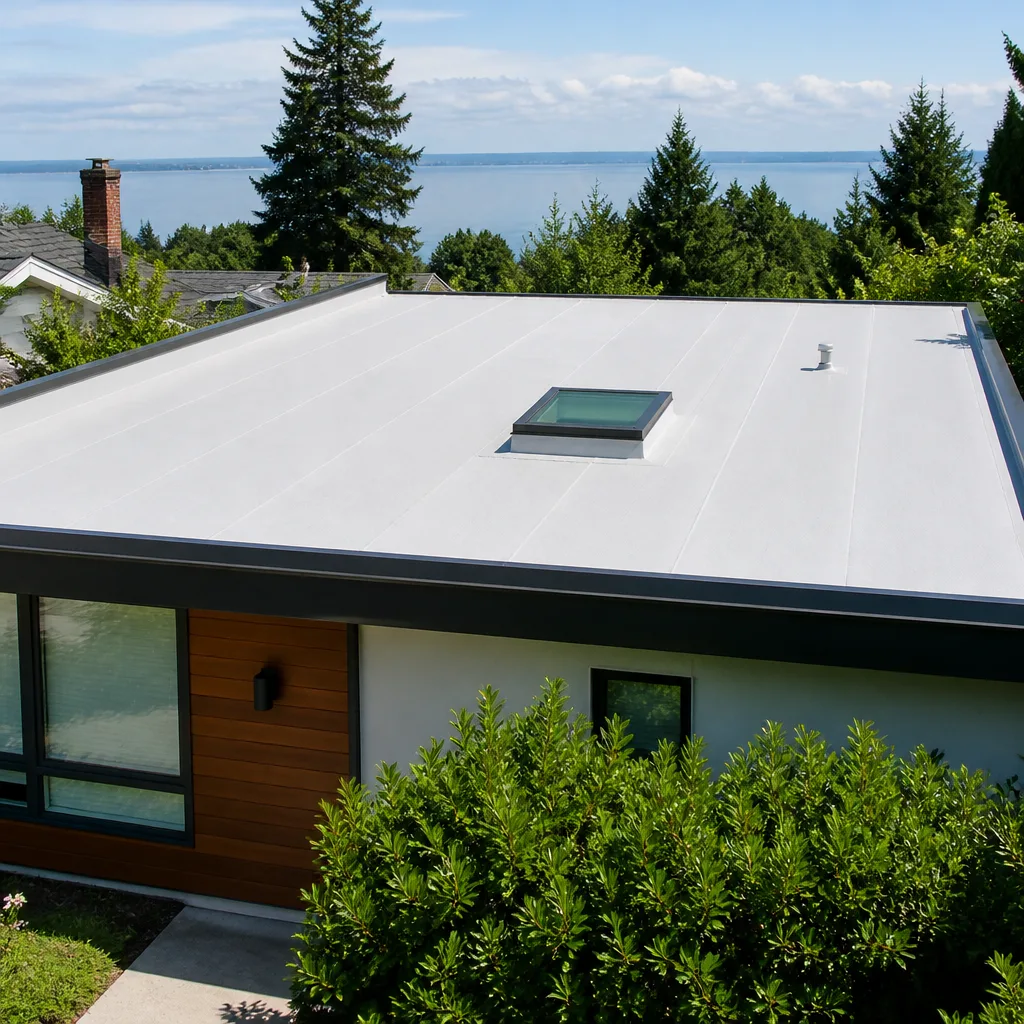 Flat & low-slope
Free roof inspection with deck photos before we talk money - GAF and Owens Corning certified installation
Roofing Emergency Preparedness Guide for Yonkers Homes
When a nor’easter takes out a section of your roof at night, you have about 20 minutes of clear thinking before panic starts driving decisions. The homeowners who come through those hours with a sound roof and an insurance check that actually covers the work have usually made three specific decisions before the storm ever arrived: who they’ll call, what they’ll do in the first hour, and how they’ll document the damage. This guide builds all three into a plan you can put together on a calm afternoon in Yonkers, so that when the weather turns, you’re following a checklist instead of guessing in the dark.
Quick Answer
A roofing emergency plan for a Yonkers home comes down to three things: a short list of numbers you can reach when something goes wrong, a first-hour routine that protects your ceilings and floors without putting you on the roof in bad weather, and a photo-and-notes habit that gives your insurer what it needs. Set those up before storm season and an emergency becomes a manageable problem instead of a scramble.
Styles & brands we work with
- Architectural shingles
- Metal roofing
- Tile roofing
- GAF
- Owens Corning
- Flat & low-slope
Table of Contents
- What to Do in the First Hour of a Roofing Emergency
- Safe Temporary Measures You Can Take (and What to Leave Alone)
- How to Find and Vet an Emergency Roofer in Yonkers
- The Insurance Documentation Process, Step by Step
- Which Yonkers Weather Events Trigger the Most Emergency Calls
- Pre-Storm Preparedness Checklist
- Roof Conditions to Address Before Storm Season
- Common Mistakes to Avoid
What to Do in the First Hour of a Roofing Emergency
Water is the real damage, not the hole. In the first hour, your job is to slow water down inside the house and keep people safe, not to fix the roof. Work from the inside out, and do it in a set order so nothing important gets missed.
- Get everyone and anything irreplaceable out of the wet zone. Move furniture, electronics, and paperwork away from ceilings that are bulging or dripping. If you can’t move something, cover it with a plastic tarp.
- Contain the water. Buckets, bins, and trash cans under drips. Old towels along the base of walls. This is the most effective thing you can do in the first hour.
- Kill the power to wet areas. If water is anywhere near light fixtures, outlets, or a ceiling fixture, turn that circuit off at the panel. Don’t stand in water and touch switches. If you’re not sure, leave the panel alone and keep everyone out of the room.
- Photograph everything before you clean up. Ceilings, walls, floors, furniture, and the source if you can see it from inside. Get wide shots, then close-ups. Your future claim depends on this.
- Call your roofer and your insurer. In that order if the leak is active and getting worse; the other way around if the damage is done and the roof is quiet. Both numbers should already be in your phone from step one of preparedness.
What you should not do in the first hour: climb onto a wet, wind-blown roof. More injuries in roof emergencies come from homeowners falling than from the storm itself. If water is dumping through a ceiling, poke a small relief hole in a sagging section with a screwdriver from below, over a bucket, to keep it from collapsing in one heavy sheet. That’s it. Everything else waits for daylight and trained technicians.
Safe Temporary Measures You Can Take (and What to Leave Alone)
There’s a short list of things a careful homeowner can do to limit damage before a repair crew arrives. Everything on that list happens from the ground or from a window, not from the roof itself.
Safe to do
- Move gutters clear of any visible debris at ground level if you can safely reach them with a ladder placed on solid, level ground and a spotter holding it. Skip this if the wind is still up.
- Pull down or secure loose exterior items – awnings, patio furniture, tarps – so they don’t become projectiles against windows or siding.
- From inside, place buckets and towels, shut doors to affected rooms, and photograph.
- If you have a tarp and can reach a low, single-story section of roof from a stable ladder in calm weather, you can lay a tarp over the damage. Once any wind or rain is still active, don’t.
Leave strictly alone
- Anything electrical. If water is near a panel or wiring, that’s a licensed professional’s job.
- Any roof above a single story. Ladder falls are the number-one cause of storm-related home injuries.
- Loose shingles or flashing. Pulling a shingle off to “see what’s under it” often creates a bigger opening.
- Gas lines. If you smell gas, leave the house and call your utility from outside.
If you’re not sure whether a measure is safe, it isn’t. A trained roofing technician in Yonkers can tarp, secure, and document the damage without risking a fall, and that’s the whole reason to have a number to call.
How to Find and Vet an Emergency Roofer in Yonkers
The right time to pick your roofer is before you need one. Picking one at 11pm during a storm, off a flyer shoved through your door, is how homeowners end up paying storm-chaser prices for a job that never quite gets done right. If you’re already in the middle of an emergency, vet who you call on the phone before they arrive. Here’s what to ask.
Questions to ask before anyone shows up
- Are you licensed and insured? Ask them to confirm this in writing or on a work order.
- Will you give me a written estimate before any work starts, and does the price change once you’re on the roof?
- What happens if you find more damage than the tarp can cover?
- Do you pull permits for the structural repairs if they’re needed? In most cases, city code requires a permit for structural roof work, and a reputable company will handle it.
- Will you photograph the damage for my insurance claim and share those photos with me?
- Can you provide a written workmanship warranty?
Red flags to walk away from
A crew that shows up unannounced, offers to “just get started while we’re here,” asks for cash up front in full, or can’t produce a license or insurance certificate on request is a risk you don’t need. So is anyone who gives you a firm dollar quote over the phone before seeing the roof. A legitimate company gives you a range until they’ve looked, then a fixed price in writing. If a contractor pressures you to sign a contract on the spot in a stressed moment, that’s the opposite of what an honest roofer does.
A roofer you’ve already had inspect your roof is the best number to have in your phone. A standalone Ashton Roof Repair inspection before storm season gives you a clear read on your roof’s condition and a working relationship with a company that already knows your home’s roofline. In our experience, homeowners with a prior inspection move faster and more calmly when something goes wrong, because they’ve already had the “how bad is it really” conversation.
The Insurance Documentation Process, Step by Step
Insurance claims go wrong at the documentation stage, not the repair stage. Adjusters aren’t the enemy, but they work from photos and records, and gaps in yours cost you money. The order matters, so take the photos before cleanup.
- Photograph the interior damage first. Ceilings, walls, floors, furniture, and any ruined items. Wide shot of the room, then close-up. Photograph any ceiling bulge or sag before you poke a relief hole.
- Photograph the exterior damage from the ground. Wide shots of the affected side of the house, then zoom in on the specific torn or missing sections. Include the ground around the house so the spatial context is clear.
- Photograph the weather evidence. Downed limbs, hail stones if any (hail is uncommon in Yonkers, but when it happens, photograph what you can), standing water, and any debris on the ground. This supports the “storm caused it” narrative.
- Write down the timeline. When the storm hit, when you noticed the leak, what you did, and who you called. Notes taken the same day are worth more than a memory reconstructed a week later.
- Save your receipts for anything you spend. Tarps, fans, dehumidifiers, temporary repairs. Keep every one.
- File the claim with the damage language, not the diagnosis language. Say “during the storm on [date], wind lifted shingles on the rear slope and water entered the living room ceiling.” Don’t say “our roof was old and needs replacing” – that’s the adjuster’s conclusion to draw, not yours to hand them. Describe what happened, not what you think it means.
Don’t clean up damaged materials before the adjuster sees them if you can avoid it. If you need to move them to keep water out, photograph them in place first. And if your roofer and your adjuster disagree on scope, ask your roofer to put the disagreement in writing with photos and specific line items. A roof repair specialist worth calling will do this without being asked.
Which Yonkers Weather Events Trigger the Most Emergency Calls
Yonkers sits on the eastern bank of the Hudson, and its weather problems come from the west and from the Atlantic. The three recurring event types cause different damage, and knowing which is coming helps you plan.
Nor’easters
The big ones, usually between late fall and early spring. Sustained wind out of the northeast, heavy rain, sometimes snow. Damage pattern: shingles torn off in strips along the windward slopes, flashing lifted at chimney and skylight penetrations, water driven sideways into any gap. The leaks show up on the interior far from the actual missing shingles, so the visible problem and the water source are often different. If a nor’easter is coming, secure anything loose outside, and know your roofer’s number before the rain starts.
Summer microbursts
Short, violent downdrafts in a summer afternoon thunderstorm. They usually hit a few blocks and then they’re gone. Damage pattern: isolated sections of shingles peeled back, gable-end damage, downed limbs that punch through the roof. They’re the hardest to anticipate because they form and pass in minutes. Homeowners in hilly parts of Yonkers often see localized limb damage because of the tree cover on the slopes.
Ice dam failures
When snow melts on the upper roof, runs down to the cold eave, and refreezes, ice forms a dam that backs water up under the shingles. Ice dams don’t happen every year, but when they do the damage is typically at the eave edges and above the exterior walls. Damage pattern: wet insulation, sagging soffits, ice behind the shingles you can only see from above. If you have ice on your eaves, that’s an inspection call, not a wait-and-see.
Yonkers homes up the hills get more wind exposure than the ones down near the river, so wind-driven events hit them harder. Roof replacement on a home with a lot of tree cover benefits from an installation that accounts for the wind-exposure of that specific site, which is one reason material choice and installation method matter more than brand loyalty.
Pre-Storm Preparedness Checklist
Spend one afternoon on this list, and you’ll be ahead of most of your neighbors when the next bad forecast lands. Print it and keep it somewhere you’ll find it.
- Put three numbers in your phone. A roofing company you’ve used or vetted, your insurance agent or claims line, and your utility. Label them clearly.
- Set up a document folder. A folder on your phone and a paper folder in a drawer. Every roofing invoice, inspection report, and warranty goes in there.
- Buy supplies before you need them. Six-mil plastic sheeting, a roll of blue tarp, a bag of old towels, a few five-gallon buckets, a shop vac. Store them where you can reach them without thinking.
- Check your attic before storm season. Look for previous water stains, daylight through the roof deck, damp insulation, or a musty smell. All of these point to a roof that needs attention before the weather tests it.
- Trim what you can. A limb over the roof is the number-one outside cause of roof punctures after wind-driven events. Keep trees back from the roofline where it’s within your ability and safe to do.
- Confirm your insurance coverage. Most homeowners policies cover sudden storm damage. Read the declaration page. Know your deductible. If your policy has specific wind or hail provisions, know what they say now, not during a claim.
- Have one spare tarp and a roll of duct tape per floor. You won’t need them most years, but the years you do, they’re worth their weight.
None of this costs much and all of it is done on a calm Saturday before the season turns. That’s the point: make the decisions when they’re easy, so the emergency version of you is just executing a plan, not inventing one.
Roof Conditions to Address Before Storm Season
Most of the roofs we see in roof emergencies had a warning sign months before the storm. A short list of conditions that fail under stress and are cheaper to address ahead of time:
- Curling or missing shingles. Even three or four missing shingles creates a wind entry point; the next big blow lifts more.
- Lifted or cracked flashing at the chimney, skylights, and vent pipes. These are the most common small-leak sources, and a nor’easter drives water into them sideways.
- Sagging roof deck or spongy spots under the shingles. A sign of past or present water damage.
- Granule loss in gutters. When the shingle surface is shedding its granules, the material is nearing the end of its life. Non-brand-specific, bad-weather-resistant installations from established manufacturers like GAF, CertainTeed, or Tamko are products we work with regularly for this reason.
- Ice dam history from prior winters. If you can see water stains at the eave line from last February, the problem didn’t go away when the ice melted.
- Clogged or failing gutters and downspouts. Gutters are often the reason water gets behind the fascia and into the walls during heavy rain.
A standalone inspection catches these conditions before they become winter problems. We offer inspections as a service on their own, with no requirement to move into a repair. If the answer is your roof is fine, we’ll tell you that, and if it needs work, we’ll give you a written line-item estimate of what needs doing and what can wait.
We work with seven major manufacturers so the material fits your roof, not our inventory: GAF, CertainTeed, Owens Corning, IKO, Atlas, Tamko, and Boral. That’s the practical difference between a company locked into one supplier’s product line and one that can compare products honestly. If your roof is at the end of its life and you want to compare a premium shingle against a value option, a material-agnostic roofer can do that without steering you toward whatever happens to be on the truck. From a single inspection to a full tear-off and replacement, it’s one company and one point of contact.
Common Mistakes to Avoid
- Climbing onto the roof during the storm. Wet shingles are the most dangerous surface in a house, and wind gusts are stronger on the roof than at ground level. Stay inside and photograph from below.
- Hiring the first door-knocking crew that shows up after a storm. Storm-chasers cluster in Yonkers after every major event. Ask for a license, insurance, and a written estimate before anything starts. If any of those three can’t be produced, walk away.
- Cleaning up before photographing. Your claim starts with evidence. Photograph everything before you move a single towel.
- Overpromising to the adjuster. Describe the damage, not the diagnosis. Don’t volunteer your own guess about how much of the roof “needs replacing” in the initial call. Say what happened, let the professional inspection establish the scope.
- Paying the full job cost up front. Reputable companies use a deposit structure and hold the bulk of payment until work is completed and inspected. Anyone asking for 100% up front, especially in an emergency, is a red flag.
- Waiting for the leak to “get worse” before calling. Small leaks become structural problems after one or two freeze-thaw cycles. Get the call in when you see the first stain.
- Ignoring the attic in spring. The damage from ice dams often shows up as damp insulation in April, long after the ice itself has melted. Look for it and call if you find it.
See the difference
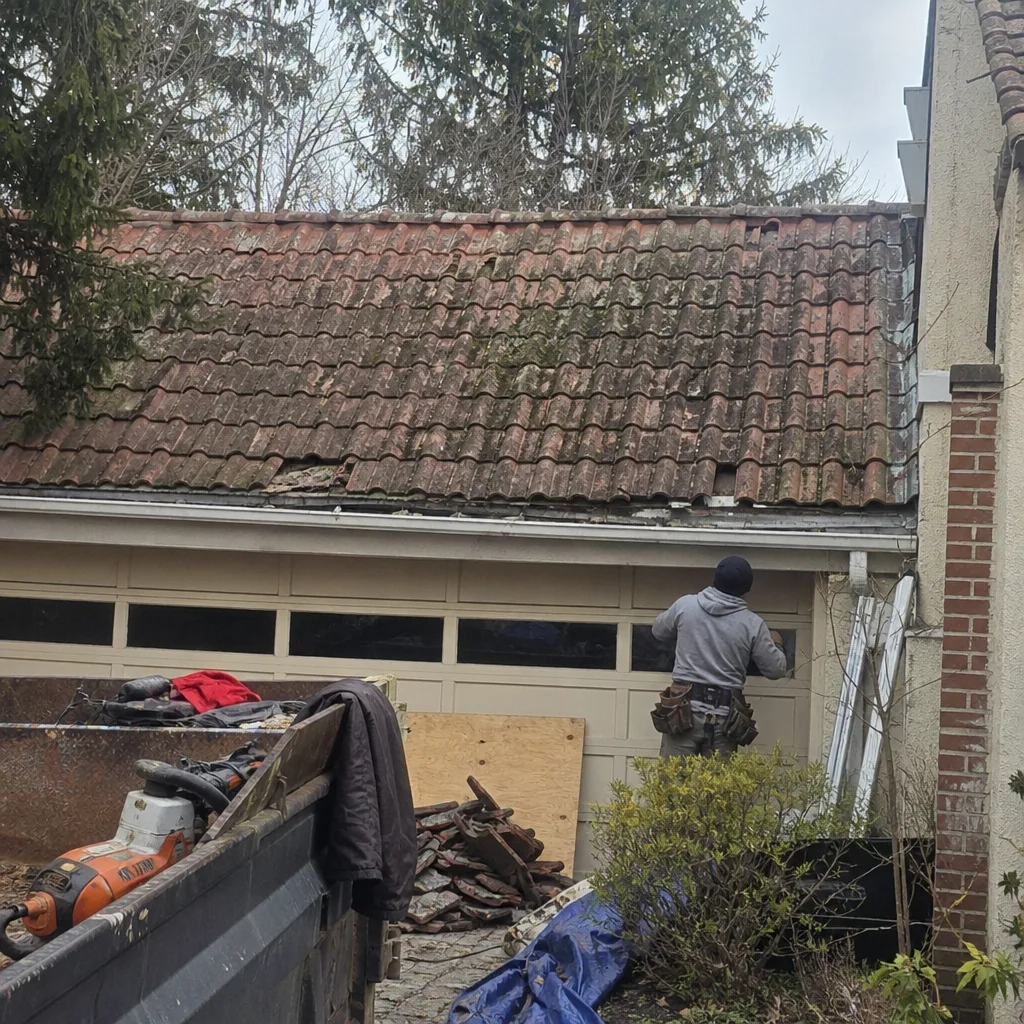 Before
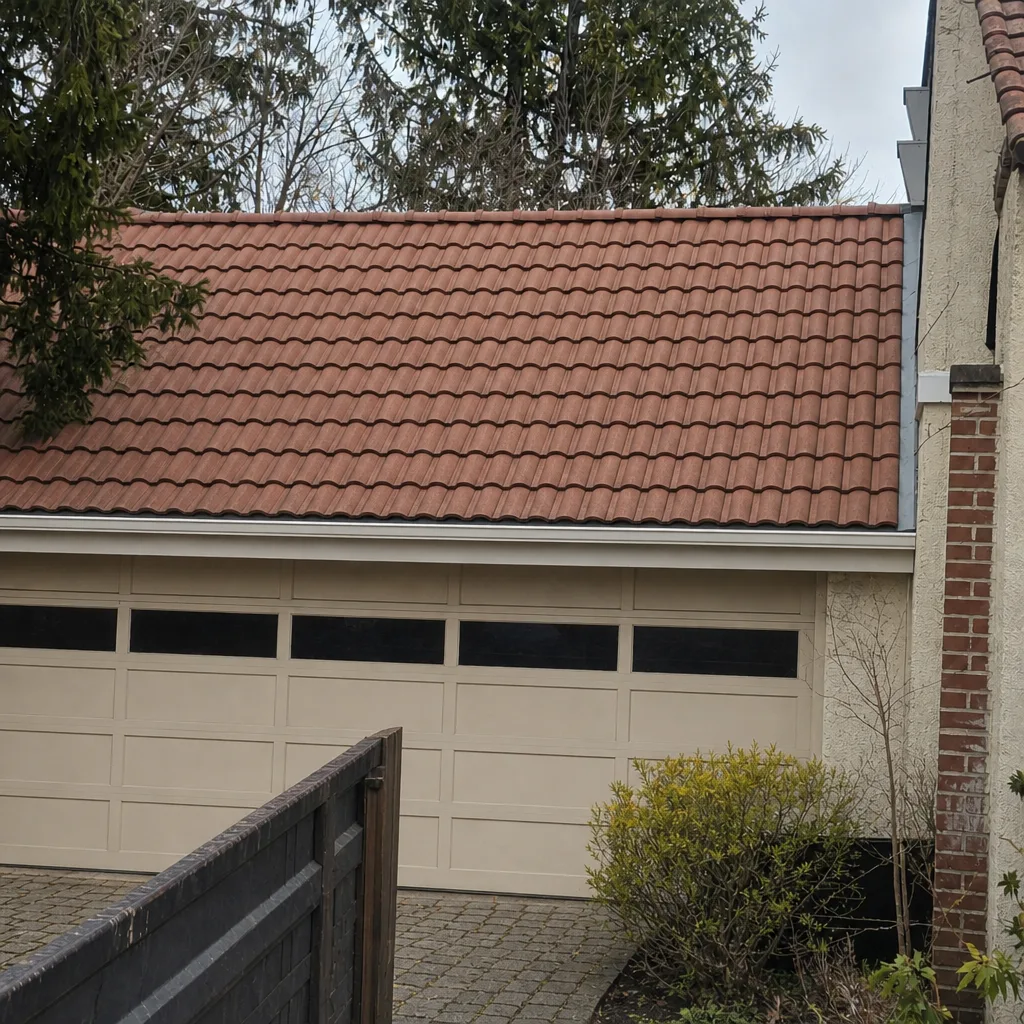 After
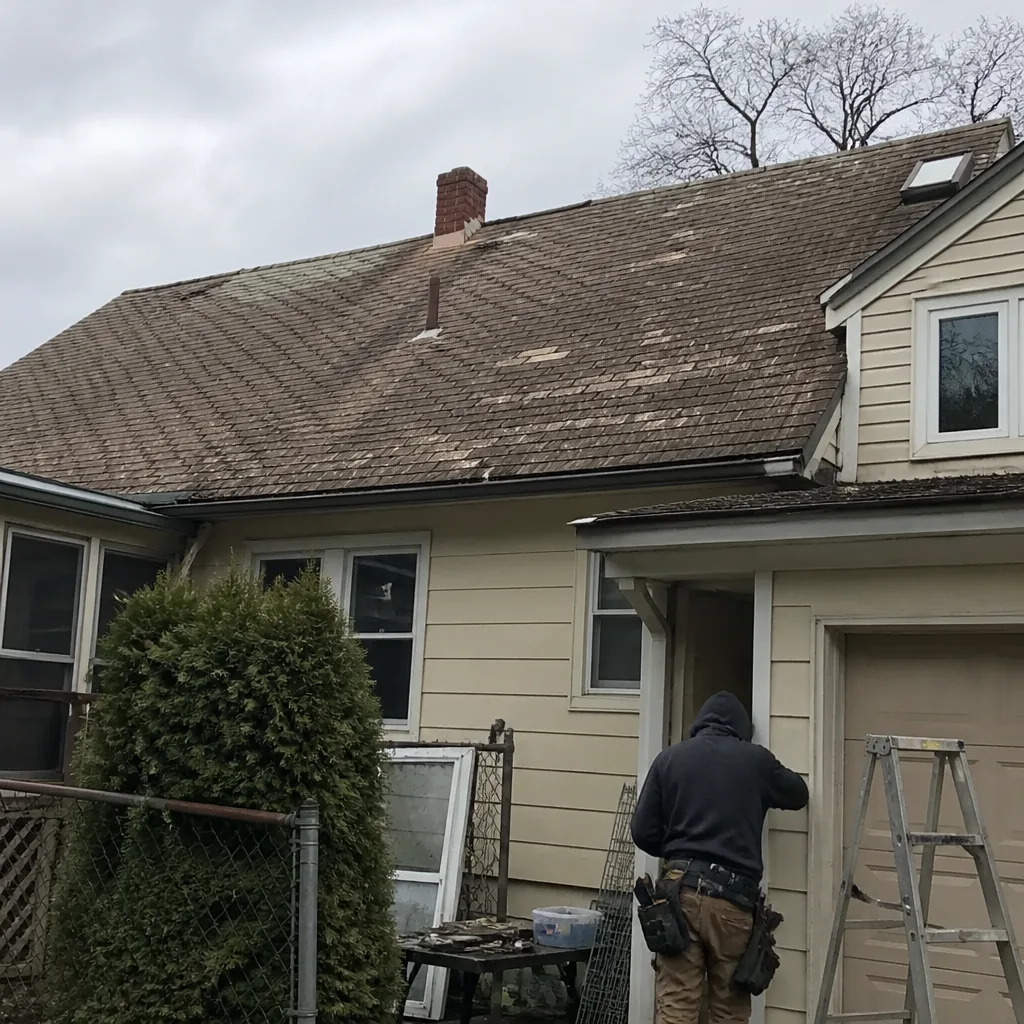 Before
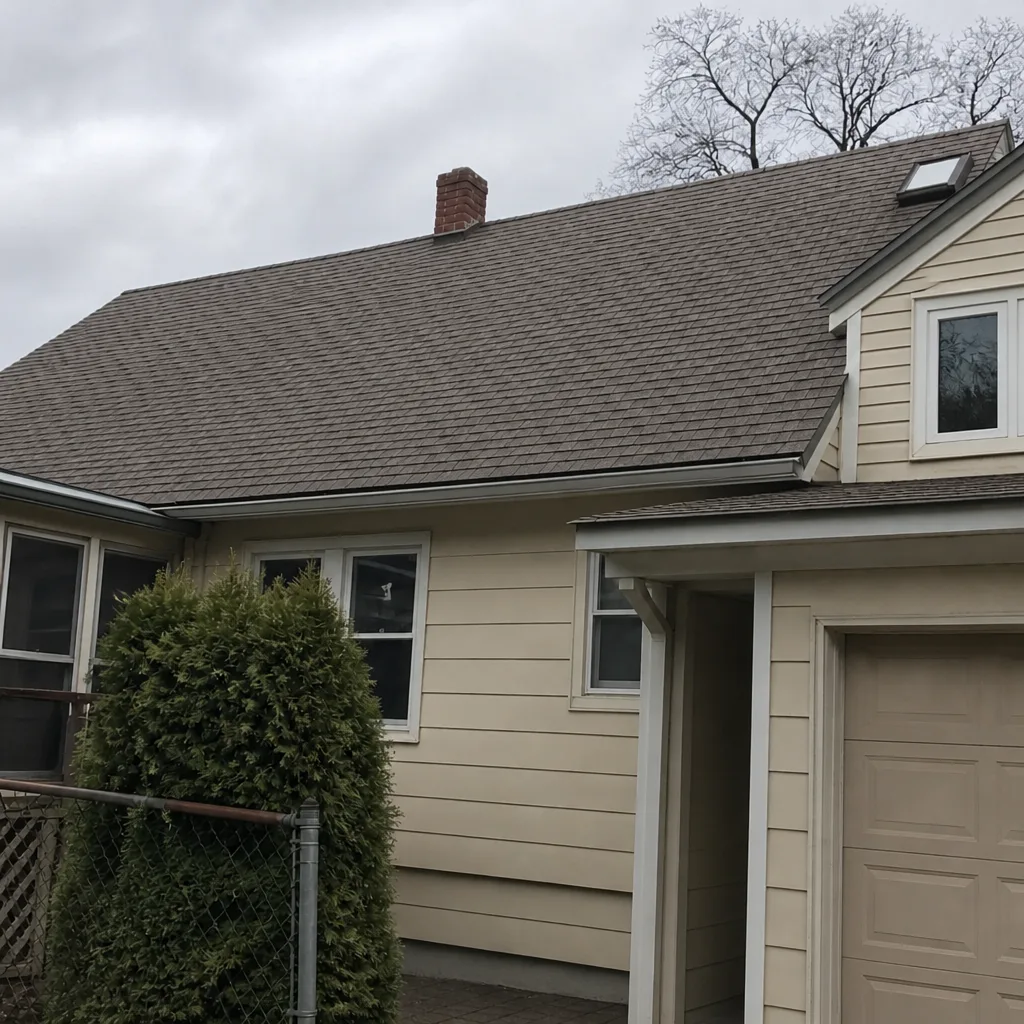 After
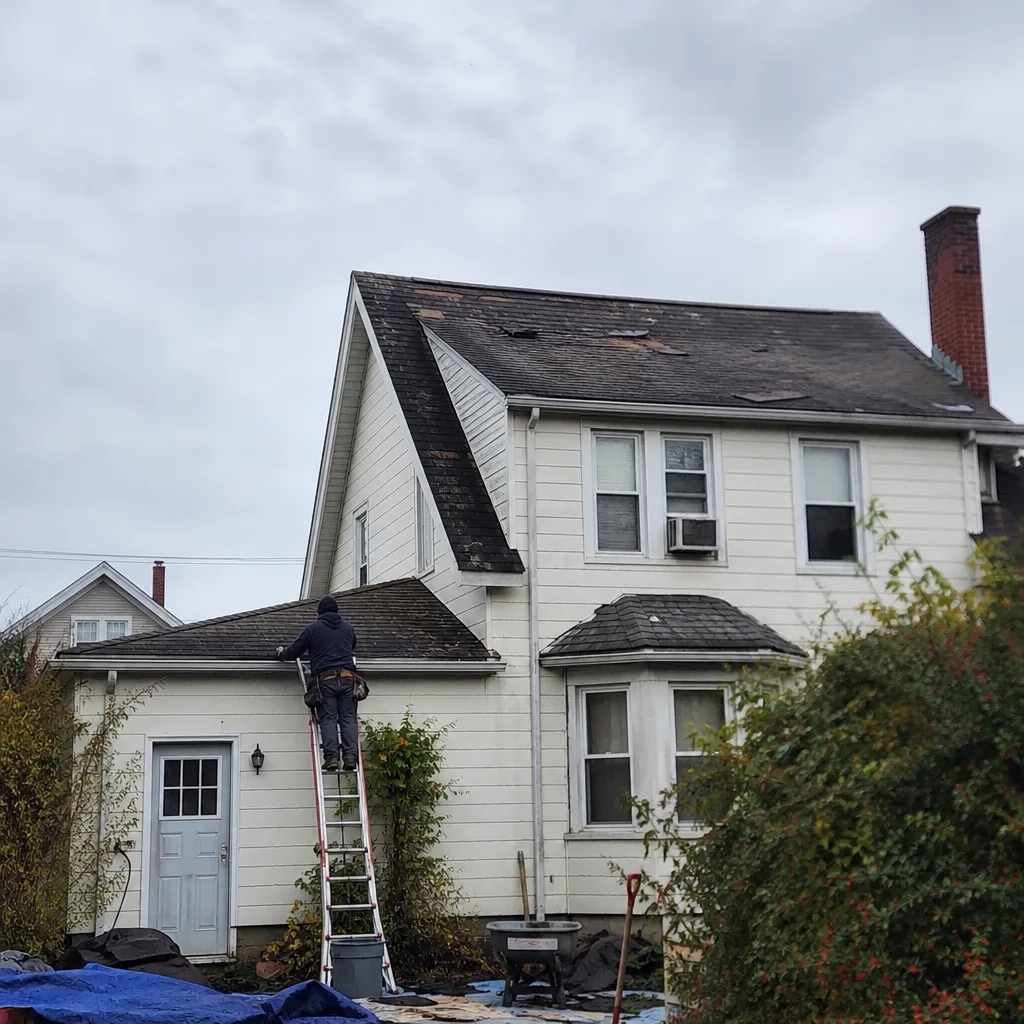 Before
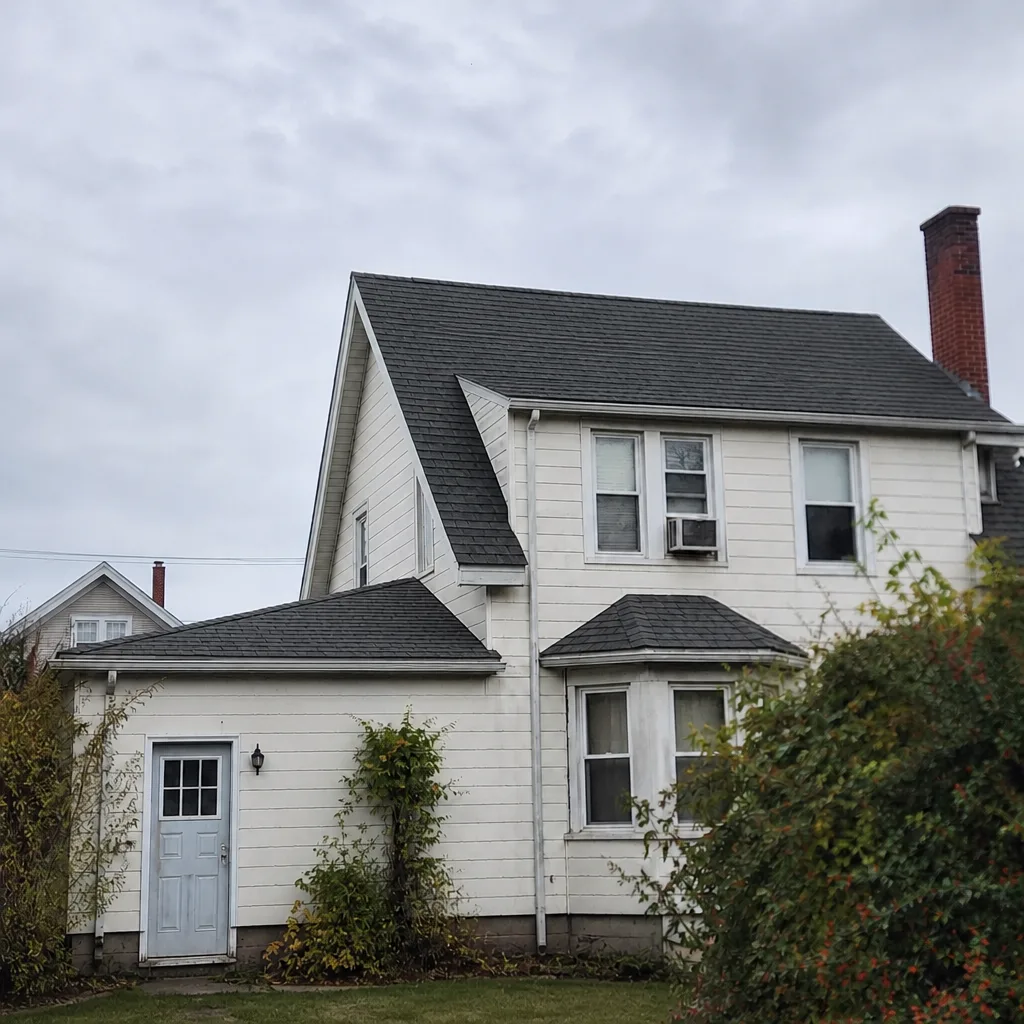 After
When to Call a Professional
Call a roofing professional in Yonkers when: water is actively entering the house and you can’t stop it with interior buckets; any section of roof structure is sagging, cracked, or visibly compromised; shingles, flashing, or membrane material are lost in a way that exposes the deck; you can see daylight through the roof from the attic; or your roof has been through a storm and you’re not sure whether it’s still watertight. Also call when you’re not sure – a $0 answer to “is my roof okay” is worth having, and the conversation is calmer before the damage grows.
Ashton Roof Repair offers free estimates in Yonkers. The number is (833) 741-8977. We answer 24/7, with fast dispatch from 7am to 7pm, Sunday through Friday. An honest inspection first, a recommendation second – that’s how we’d rather work it.
Frequently Asked Questions
Move furniture and valuables away from the leak, place buckets under the drips, and photograph the damage before you clean up. Then call your roofer and your insurer. Don’t climb onto the roof during the storm. If the ceiling is bulging and looks like it will collapse, poke a small hole from below into a bucket to relieve the weight of the water and keep it from coming down in one sheet.
Emergency roof repair in Yonkers runs in a range that depends on the type and extent of damage – a tarp-and-patch job for a missing section of shingles is on the low end, while anything involving structural repair or a large area of lost material is higher. Call (833) 741-8977 for an exact quote; the written line-item estimate sets the price, and estimates are free.
Most homeowners policies cover sudden storm damage, but you’ll want to read your declaration page to confirm your deductible and any wind-specific provisions. The documentation process matters: photograph the interior and exterior damage, record your timeline, and describe what happened – wind, rain, ice – rather than your own guess about needed repairs. Your roofer’s written scope and photos support the claim.
Only if you can safely reach a low, single-story section from a stable ladder in calm weather. During active wind or rain, no. Ladder falls – not the storm itself – are the top cause of injury in roof emergencies. A roofing crew can tarp, secure, and document the damage from a position of safety.
Ask if they’re licensed and insured, if they’ll give a written estimate before any work begins, and what happens if they find more damage than the tarp can cover. Ask if they’ll photograph the damage for your claim and share the photos. Any answer that avoids the licensing question, or that quotes a firm price over the phone before seeing the roof, is your signal to call someone else.
Maybe. If your area got hit hard, a visual check from the ground is worth doing – missing shingles, curled edges, and lifted flashing are not always visible from street level. If you see something, call. If the roof is older or has a history of leaks, a standalone inspection gives you a clear read before the next storm.
The Bottom Line
Roofing emergencies in Yonkers are stressful, but they’re survivable with a plan made ahead of time. The short version: keep three numbers in your phone, own a tarp and some buckets, know the first-hour order (people safe, water contained, power off, photos taken, calls made), describe damage rather than diagnosing it when you file a claim, and pick your roofer before you need one. If you’ve had a storm and you’re not sure whether your roof is watertight, the answer is one inspection away. Call (833) 741-8977 – we answer 24/7, dispatch fast from 7am to 7pm, Sunday through Friday, and the estimate is free. Ashton Roof Repair has served Yonkers for 14 years, working with seven major manufacturers so the recommendation fits your roof, not our inventory.
Written by the team at Ashton Roof Repair, serving Yonkers since 2012.