
Last updated November 14, 2026
 Metal roofing
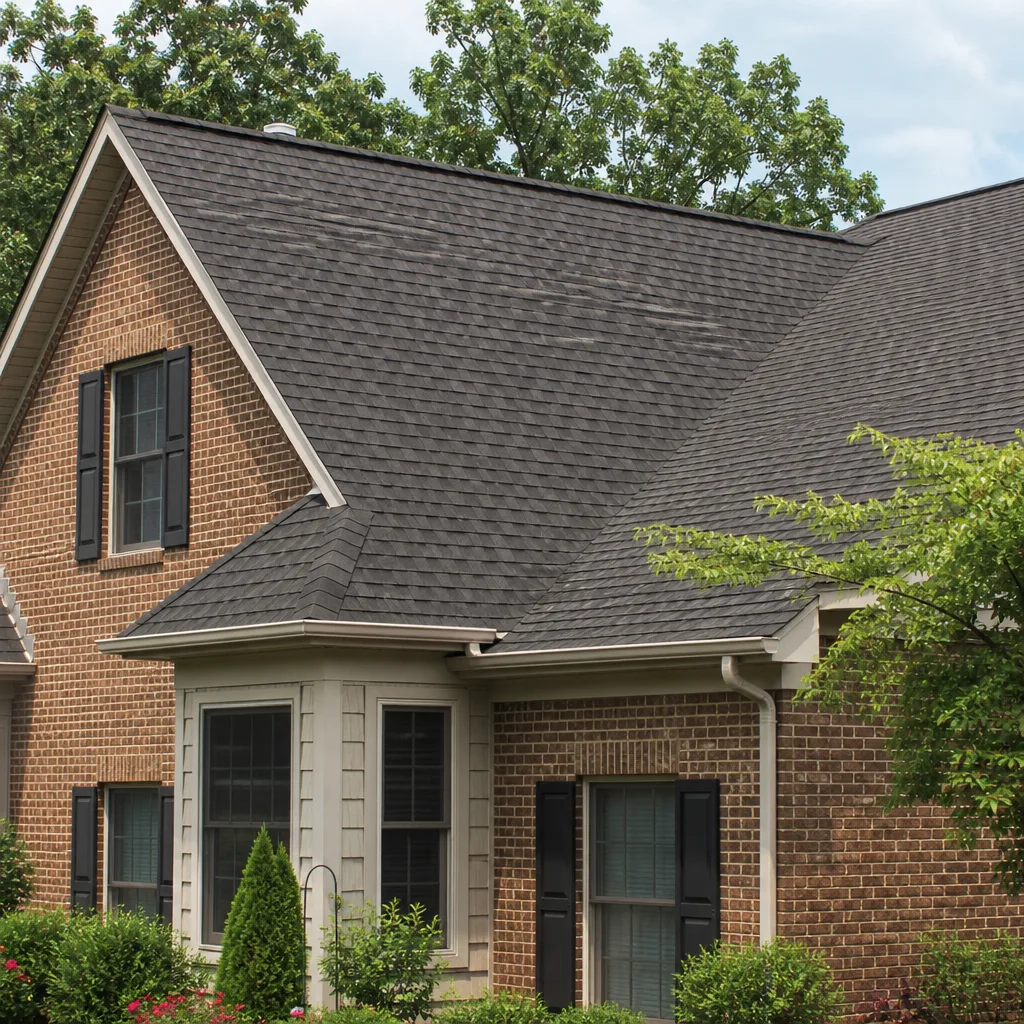
 Architectural shingles
 Tile roofing
 GAF
 Owens Corning
 Flat & low-slope
Free roof inspection with deck photos before we talk money - GAF and Owens Corning certified installation
Roofing Warning Signs: A Yonkers Homeowner’s Reference Guide
By the time you see a water stain on your ceiling, the roof has usually been failing for 12 to 18 months. The stain is just when the damage crossed a threshold your interior finally made visible. That’s the frustrating truth about roofs: the dramatic signs homeowners watch for are almost always late-stage signals, arriving long after a small, cheap fix turned into an expensive one. The signs that actually give you options are quieter – a faint musty smell, a few extra granules in the gutter, a ridge of paint blistering where the soffit meets the wall. This guide is about reading those early signals, the way you’d learn to read a warning light on your dashboard before the engine seizes. We’ll go tier by tier through what your roof is telling you, with the specific forms these signs take on Yonkers homes.
Quick Answer
The most important roofing warning signs in Yonkers are the early, subtle ones: granule buildup in gutters and downspouts, condensation or staining in the attic, paint blistering on soffits, and musty smells without a plumbing source. Missing shingles and ceiling leaks are late-stage signs – by the time they appear, the roof has typically been compromised for a year or more. Catching the early signals usually buys you a targeted repair instead of a full replacement.
We answer 24/7 if you want to talk through what you’re seeing. Call (833) 741-8977.
Styles & brands we work with
- Architectural shingles
- Metal roofing
- Tile roofing
- GAF
- Owens Corning
- Flat & low-slope
Table of Contents
- The Three-Tier Warning Sign Framework
- Interior Signs Yonkers Homeowners Misread
- Granule Loss in Gutters: How to Read It
- Warning Signs by Yonkers Housing Type
- Exterior Signs Worth Photographing
- What to Document Before You Call Anyone
- Age, Wear, and When Replacement Enters the Conversation
- Common Mistakes to Avoid
The Three-Tier Warning Sign Framework
Not every warning sign means the same thing. The most useful way to sort what you’re seeing is by the response it actually calls for – not by how alarming it looks. A curling shingle flap can be more urgent than a ceiling stain, depending on where it sits. Here’s how we think about it.
Tier 1: Maintenance-level signs
These are signals your roof is aging normally and needs attention, not necessarily repair. Think of them as the equivalent of a car needing an oil change.
- A modest, steady trickle of granules in gutters after heavy rain
- Faint moss or algae streaking on north-facing slopes
- Occasional small debris accumulation in valleys
- Slight granule bald spots on older shingles
These signs mean the roof is doing its job but wearing. A maintenance inspection every few years will tell you whether the wear is tracking at a normal pace or accelerating.
Tier 2: Repair-estimate-soon signs
These say a specific component has failed or is failing. Address them within the season.
- A localized ceiling stain or attic water mark
- Missing or torn shingles after a storm
- Failed flashing around a chimney, vent, or skylight
- Visible soft spots or sagging along a roof edge
- A musty smell in the attic that isn’t plumbing
Tier 2 problems usually respond to a targeted roof repair. The trick is not to let them sit long enough to become Tier 3.
Tier 3: Replacement-may-be-closer signs
These suggest the roof has moved past isolated failures into widespread decline. They don’t always mean replace tomorrow, but they mean the math favors planning.
- Shingles curling, cracking, or losing granules across multiple slopes
- Multiple leak points in different areas of the roof
- Felt or underlayment showing through bald shingle spots
- Widespread daylight visible through the roof deck from the attic
- Recurring repairs on the same areas year after year
When we see several Tier 3 signs together, the honest conversation shifts from “what do we repair” to “what’s the plan.” We’d rather have that conversation early than after a ceiling collapses.
Interior Signs Yonkers Homeowners Misread
Some of the most useful early warning signs show up inside your house, and they’re the ones most often blamed on something else. A musty smell becomes “the basement is damp.” Paint bubbling becomes “bad paint.” Staining in the attic becomes “just condensation.” Each of those guesses might be right – but each might also be a roof in early failure, and ruling out the roof first is cheap.
Attic condensation and why it’s a roof sign
Condensation forms when warm, moist household air meets a cold surface. In a well-sealed attic, that surface shouldn’t exist. When you see consistent condensation on the underside of the roof deck – especially in winter – it often means one of two things: attic ventilation is failing, or moisture is entering from a roof leak that’s feeding the problem. In Yonkers’ mixed-humid summers and cold winters, the swing between seasons puts real stress on old attic ventilation, and the resulting condensation can mimic leak damage. The way to tell them apart is to check whether the moisture is concentrated along a vertical line (leak) or spread evenly across the deck (condensation).
Paint bubbling on exterior soffits
Soffits are the underside of your roof overhang, and when the paint on them bubbles or peels in patches, moisture is usually trapped behind. That moisture can come from a soffit vent blocked by debris, or it can come from water moving sideways from a roof leak above. If the bubbling is concentrated under one section of the roofline rather than scattered evenly, the leak source up top is the more likely culprit.
Musty smells that aren’t the plumbing
A persistent musty smell that doesn’t track to a bathroom, basement, or crawlspace is worth a roof inspection. Roof leaks that travel along framing often don’t produce a visible stain until the wood is saturated – but the smell arrives earlier. If you’ve ruled out the plumbing and the smell keeps returning after rain, the roof is the next place to look.
If any of these signs are present, schedule an inspection. A standalone inspection is exactly that: an honest assessment, not a sales visit. We offer inspections without requiring you to book a repair, and we’ll tell you plainly what we find.
Granule Loss in Gutters: How to Read It
The asphalt granules on your shingles are the actual wear surface – the part that shields the asphalt from UV and weather. Granules shed naturally over the life of the roof, so finding some in the gutter isn’t a problem by itself. What matters is the rate of loss and where you’re finding it.
What normal shedding looks like
New shingles shed a light dusting of loose granules for the first year or two as manufacturing excess works free. After that, a thin, even scatter of granules in the gutters after heavy rain is normal for a roof in mid-life. If you run your hand along the gutter after cleaning it and find a light grit, that’s typical.
What accelerated loss looks like
- Visible piles of granules at the base of downspouts after a storm
- Granule loss concentrated on one slope instead of spread evenly
- Shingles that look “bald” in patches, showing a darker surface underneath
- Granules tracked into gutters immediately after the roof was last cleaned
Accelerated loss is a Tier 2 signal. It usually means the shingles on that slope are reaching the end of their wear life faster than the rest of the roof, and it’s worth having someone look before the exposed asphalt starts cracking. On Yonkers homes with steep south-facing slopes, sun exposure accelerates granule loss compared to north-facing slopes – so a north slope outlasting the south slope on the same roof is entirely normal.
What bald spots mean
When you can see the mat or underlayment through a shingle because all the granules are gone, that shingle is no longer protecting anything. Bald spots are a Tier 3 sign if they cover more than isolated patches. Keep an eye on them across seasons – bald areas spread more slowly than structural damage, but they do spread.
Warning Signs by Yonkers Housing Type
Yonkers has an unusually varied housing stock for its size – brick row houses, colonials, capes, and mixed two-family homes all sit within the same few miles. Each type produces a different set of warning signs, and the signs that matter most depend on the roof form.
Flat-roof sections on colonials
Many Yonkers colonials have a porch or rear addition with a low-slope flat roof. These sections often fail before the main pitched roof, because ponding water – the small puddle that sits for hours after rain – works at seams and flashing continuously. Watch for:
- Standing water still present 24 hours after rain
- Blistering or bubbling of the roof surface membrane
- Seam separation or lifting at the roof edge
- Stains on the ceiling directly under the flat section
Flat roofs on low-slope additions can often be repaired section by section without touching the pitched roof, which keeps the cost contained.
Parapet walls on brick row houses
Brick row houses have parapet walls rising above the roofline, and those walls are a frequent source of slow leaks. Water enters at the wall cap or through the flashing where the roof meets the wall, then travels down inside the masonry before showing up inside the house. Signs to watch for:
- Efflorescence (white chalky staining) on interior brick walls below the roofline
- Water stains at the top of interior walls, especially on shared party walls
- Cracked or loose masonry caps at the top of the parapet
- Visible gaps where the roof surface meets the parapet wall
Low-slope additions on cape-style homes
Capes often have dormers and rear additions with low-slope rooflines, and those are common leak points. The dormer-to-main-roof intersection is where flashing has to do the most work. Watch for:
- Staining on the ceiling directly under a dormer or rear addition
- Water stains on the interior wall where the dormer meets the main house
- Gaps or separations visible at the flashing line from outside
These roof types and warning signs repeat across Yonkers because the housing stock was built in recognizable eras. If you’re buying in Yonkers, learn to read the roof form before you fall in love with the kitchen.
Exterior Signs Worth Photographing
Walking around your house after a storm is one of the best diagnostic habits a homeowner can build. Not every sign you see is urgent, but every sign is worth a photo. Here’s what to look for on the roof surface from ground level or with binoculars.
- Curling or clawing shingles. Edges that lift away from the roof are an early sign the shingles are losing flexibility. Isolated curls are fixable; extensive curling means the shingles are aging as a group.
- Missing shingles. After a storm, count how many are gone and where. One missing shingle is a repair; a trail of missing shingles along one slope is a repair and a question about why.
- Ridge cap damage. The angled caps along the roof peak take the most wind. Look for gapped, torn, or lifted ridge caps.
- Flashing failures. Any point where the roof meets a vertical surface – chimney, wall, vent, skylight – needs intact flashing. Look for lifted metal, cracked sealant, or rust.
- Sagging rooflines. A dip or bow in the roof edge that wasn’t there before means deck or framing stress. This one is a call-now sign.
- Streaking or dark patches. Dark streaks are usually algae, not damage, but they can indicate slopes that stay wet longer.
- Rust or staining on gutters and fascia. Water where it shouldn’t be leaves marks. Staining on the fascia board along the roof edge is one clue worth tracking.
Not all of these require a repair estimate. Algae streaking, for instance, is cosmetic and doesn’t shorten the roof’s life. But taken together, these signs let you describe what you’re seeing to a contractor before they arrive, which improves the accuracy of any early estimate.
What to Document Before You Call Anyone
Whether the sign you spot is alarming or just odd, take ten minutes to document it. A contractor who has your photos can often give a much more honest and accurate assessment than one who’s hearing “my roof is leaking” with no location, size, or timing. And documenting protects you from a worst-case estimate built on too little information.
- Photograph the sign from several angles. Wide shot to show location on the house; close shot to show detail. Shoot in daylight so the detail holds.
- Measure or describe relative size. “About the size of a dinner plate” is more useful than “kind of big.” Note any change over days.
- Note when it appeared. Did it follow a specific storm, or has it been there a while? Did the onset match a change in weather?
- Test the moisture around the sign. In the attic, press a paper towel against the wood near the sign. Wet means an active leak; dry but stained means historical.
- Record where the sign appears in relation to the roof. Over a specific room? Below a valley, chimney, vent, or dormer? On which side of the house?
- Jot down roof age if you know it. Any past repairs or replacements you’re aware of, and the rough era the home was built.
- Save the photos in one place. A dedicated album on your phone lets you compare before-and-after after the next storm.
You don’t need to climb on the roof to take these photos. Interior shots, attic closeups, and ground-level exterior shots together give a contractor the entire picture, and they’ll tell you whether the roof itself needs to be looked at safely from up top.
Age, Wear, and When Replacement Enters the Conversation
The age of a roof isn’t a warning sign by itself, but it changes the weight you give the others. A 5-year-old roof with a failed shingle on one slope is a repair. The same sign on a 20-year-old roof with four prior repairs means something different. Here’s the honest way to think about the timeline.
Asphalt shingles have a rated service life, and in Yonkers’ climate that number matters because we get real freeze-thaw cycling. The temperature swing from summer humidity to winter cold puts stress on roof surfaces every year, and wear tracks with that cycle. A roof that most of the country would consider “middle-aged” can be performance-aged here.
Combining several signals usually tells the story more clearly than any one sign. If you’re seeing bald spots, granule loss, multiple leak points, and repeating repairs all on the same roof – and that roof is 15 years or older – you’re in replacement territory. Not because any single sign demands it, but because the cumulative picture says the repair points are multiplying faster than repair makes sense.
On the flip side, a roof that’s only 8 or 10 years old with one failed flashing and a couple of storm-missing shingles is a fine candidate for repair. A repair estimate now, on that roof, is almost always the right call.
We work with GAF, CertainTeed, Owens Corning, IKO, Atlas, Tamko, and Boral precisely so that when a replacement does make sense, the material choice is driven by your roof and your budget rather than what one supplier stocks. That also means we can compare products at different price points honestly – a value-tier product like Tamko or IKO is a fair option for some homes, while premium-tier products from GAF or CertainTeed can make more sense for others. The right answer depends on the house, not the catalog. If you’re weighing roof replacement against repair, the material decision should be a real conversation, not a brochure.
Common Mistakes to Avoid
- Treating the first ceiling stain as the first sign. The stain is usually a late-stage signal; by the time it’s visible, moisture has been at work for 12 to 18 months. Climb into the attic and look at the wood around the stain before you assume it’s recent.
- Blaming condensation on the roof – or the roof on condensation. In a Yonkers winter, condensation on the underside of the roof deck can look exactly like leak staining. A contractor can tell them apart; guessing wrong leads to a replacement you didn’t need or a leak you missed.
- Assuming algae streaking is roof failure. Dark streaks on north-facing slopes are cosmetic and common in our humidity. They don’t shorten roof life, and treating them as damage invites an unnecessary repair pitch.
- Letting granule loss go unmeasured. A light scatter in the gutter is normal; a pile of granules at the base of the downspout after every storm is not. Track it across seasons instead of judging from one rainfall.
- Getting a quote without talking to anyone. A contractor giving an estimate on a phone call, with no view of the roof, is guessing. A real estimate requires an inspection, and you should expect one.
- Fixing the symptom instead of the source. Re-caulking a flashing or patching a ceiling stain may hide the sign; if the water is still entering, it will return every wet season.
- Assuming every sign means replace. Many of the early-tier signs are maintenance and repair problems. The one-pitch-fits-all sales approach is what makes homeowners distrust roofing contractors – we’d rather repair when repair is the right answer.
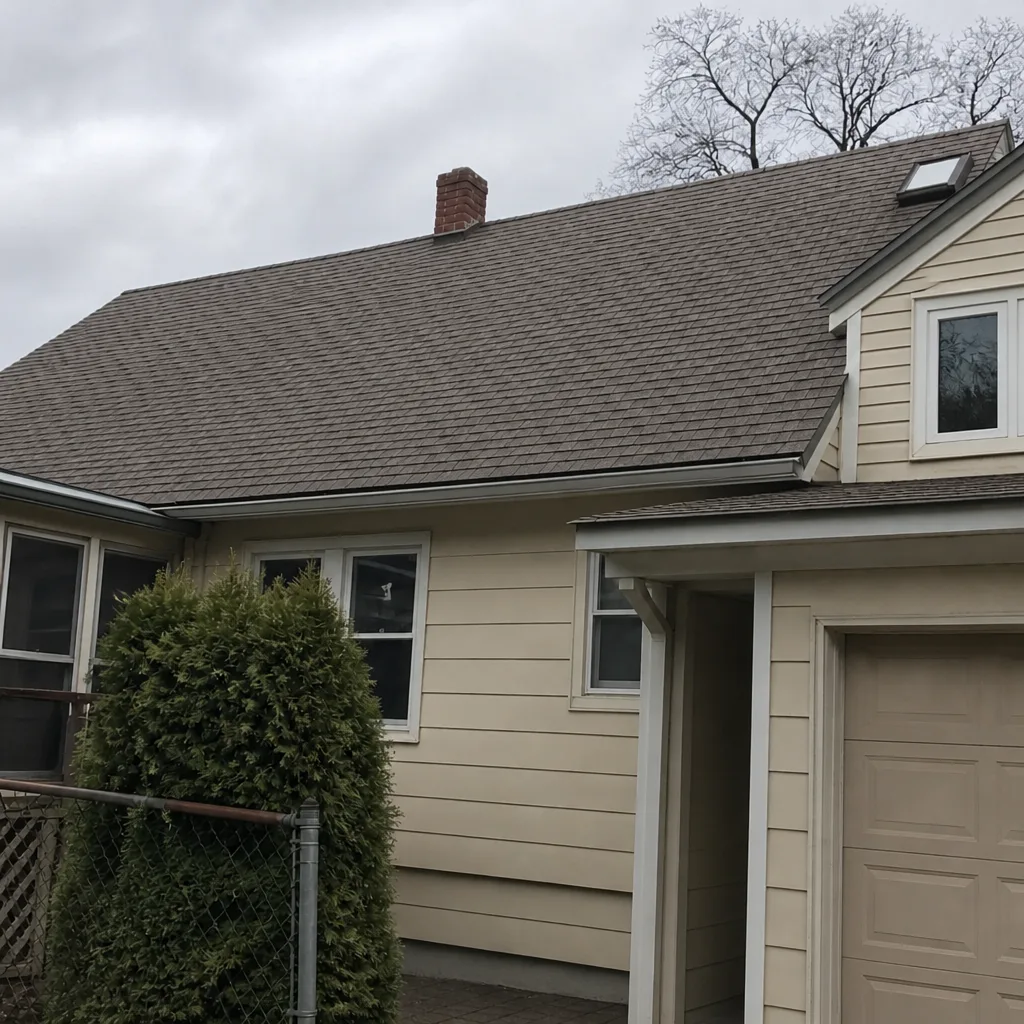
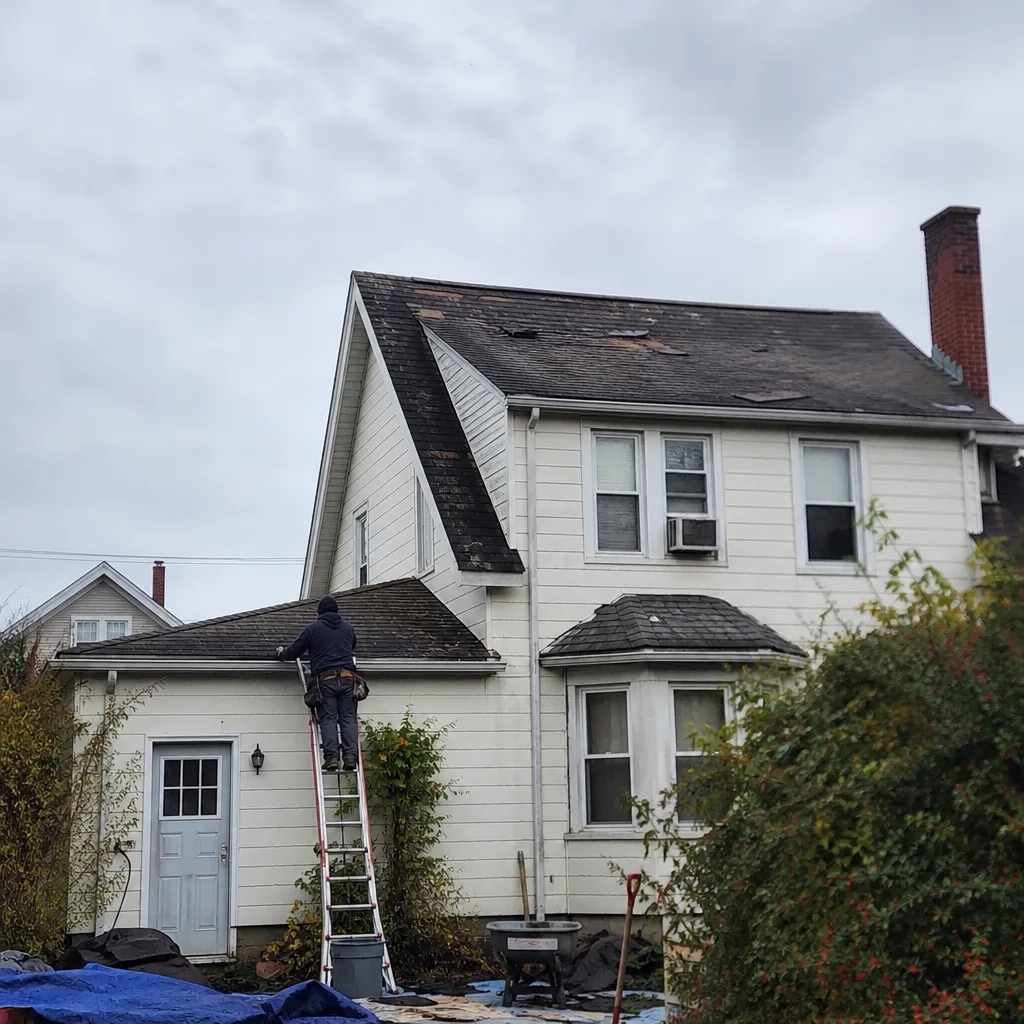
See the difference
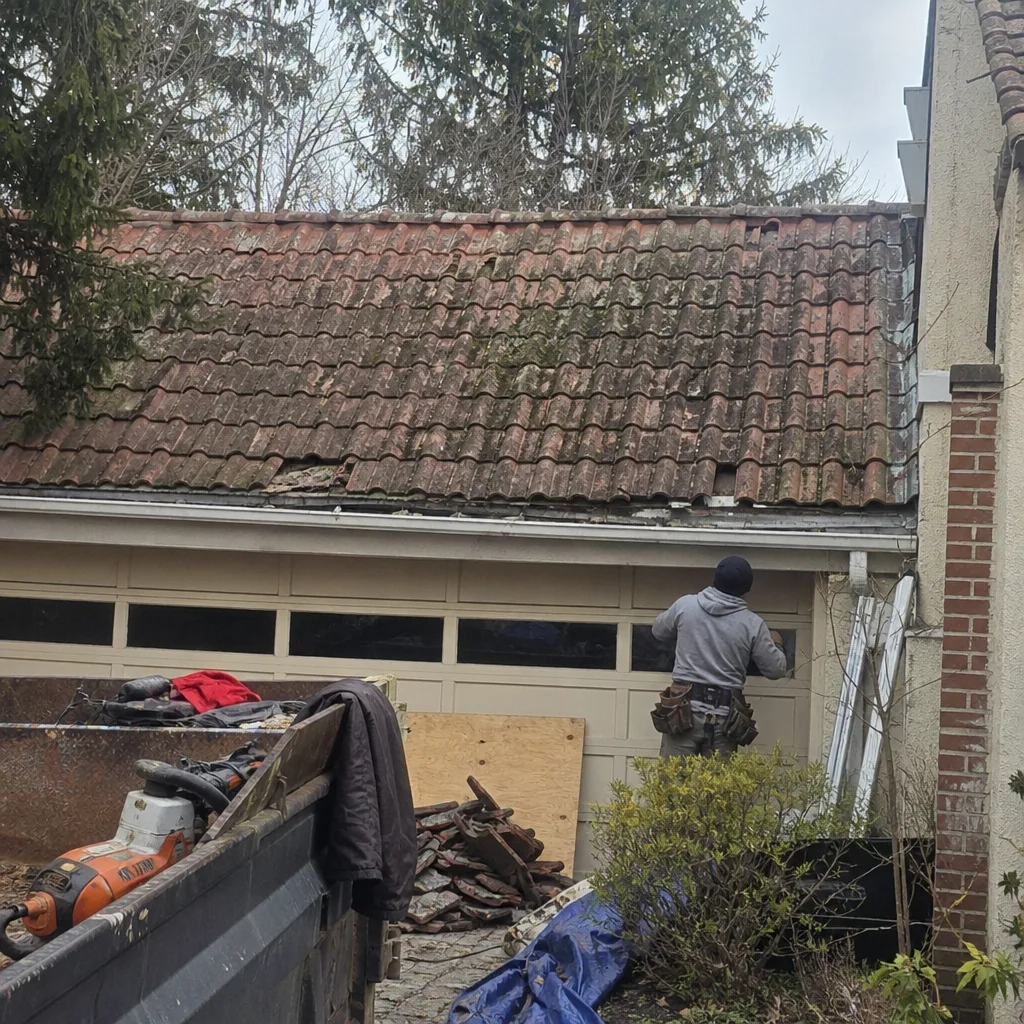 Before
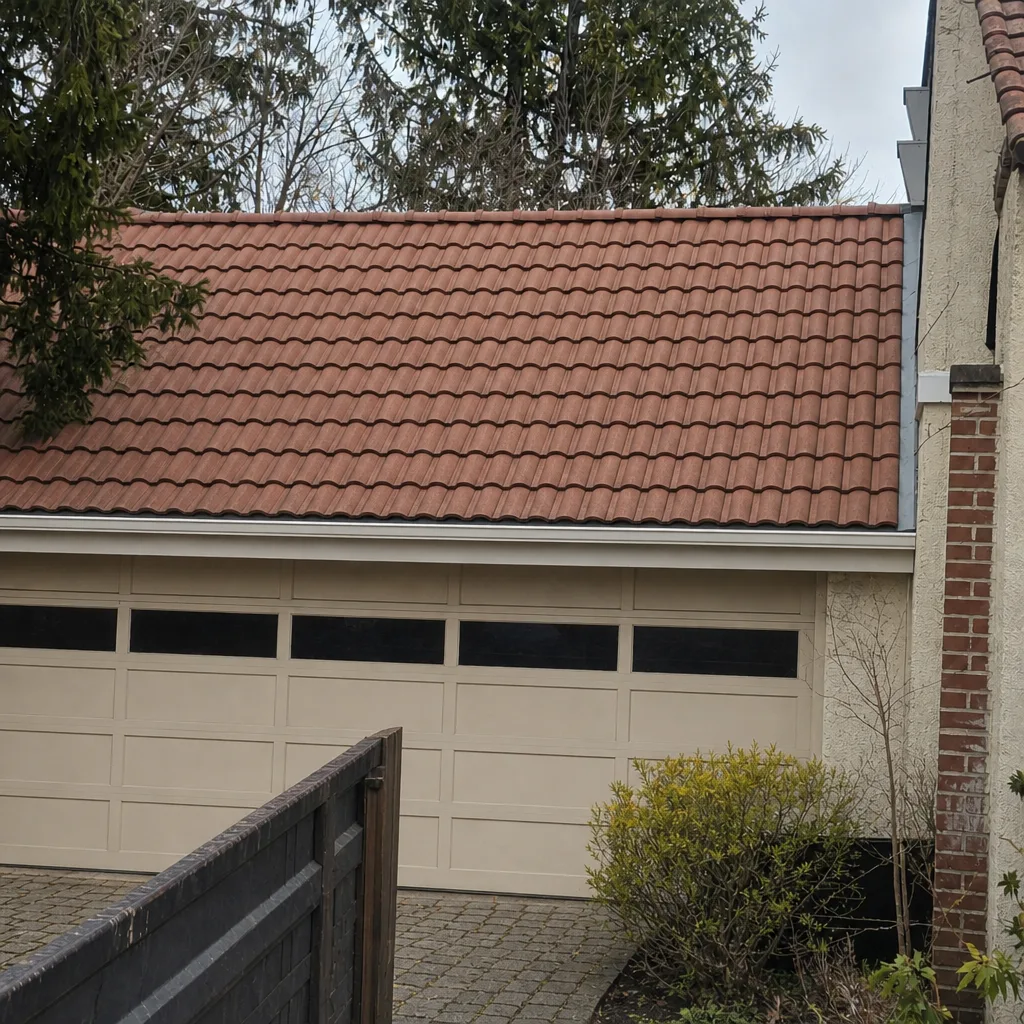 After
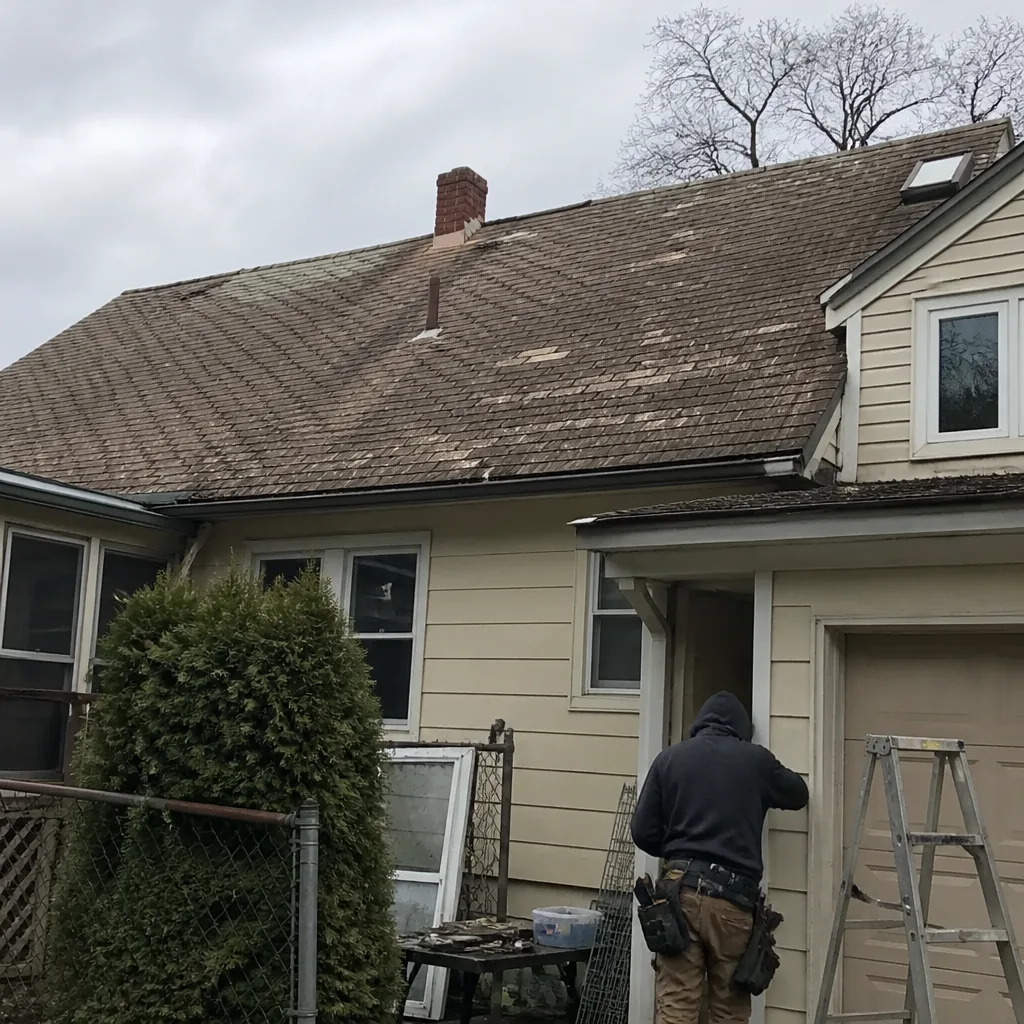 Before
 After
 Before
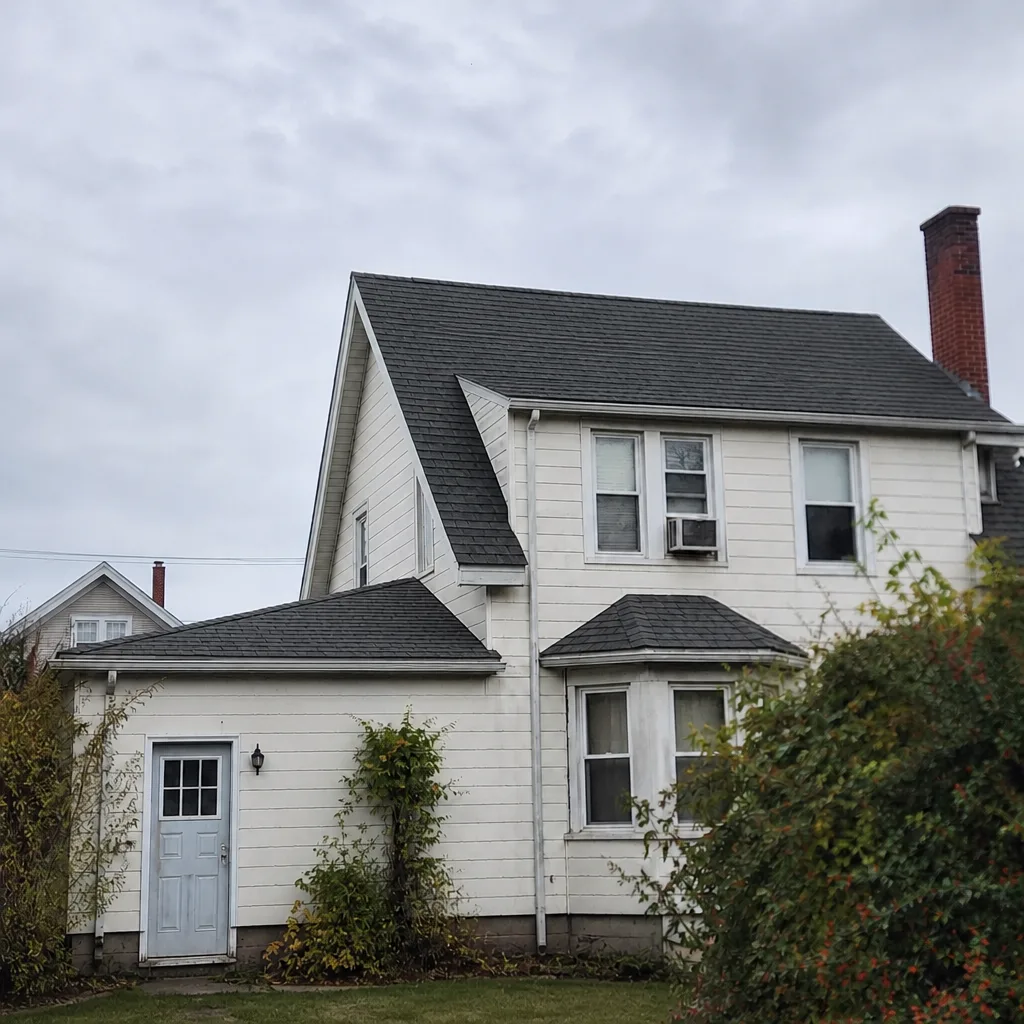 After
When to Call a Professional
Most warning signs are safe to observe and photograph on your own. A few call for professional eyes right away.
Call us when: you see a sagging roofline, sprouting shingles, or visible daylight through the roof deck in the attic – those indicate structural or underlayment failure. Call if you spot an active interior leak, water pooling on flat-roof sections 24 hours after rain, or staining spreading across a ceiling. Call if the roof is 15 years or older and you’ve had more than one repair in the past two years. And call if you’re buying a home in Yonkers and want an honest pre-sale or pre-closing roof inspection.
Ashton Roof Repair offers free estimates in Yonkers – call (833) 741-8977. We answer 24/7. Fast dispatch from 7am to 7pm, Sunday through Friday. A call outside dispatch hours is booked into the next opening.
Frequently Asked Questions
Granule buildup in gutters and downspouts is often the earliest visible sign. It appears months before a leak shows up inside, because the wear surface of the shingle starts failing before the waterproof layer beneath does. A steady trickle is normal, but piles of granules after a storm warrant an inspection.
Sometimes – but interior signs are easy to misread and often misinterpreted. Condensation and paint bubbling can look like leaks, and leaks can hide in the attic without showing a stain inside the house. An attic inspection is the only way to confirm what an interior sign means, and a photo set from the attic plus a ground-level exterior shot gives a contractor a much clearer picture than an interior sign alone.
In Yonkers’ humid summers and cold winters, asphalt shingle roofs wear according to their rated service life but often at the faster end of it because of freeze-thaw cycling. Roofs over 15 years old and showing multiple warning signs are in the window where replacement becomes part of the conversation, but the roof form and the specific signals matter more than age alone.
Roof work generally requires a permit from your local building department, and the specifics depend on the scope. Call your city’s building department to confirm before work begins. Any contractor doing significant roof work should handle the permit and inspection process as part of the job, and you should ask how they’ll handle it before you hire.
Photograph the sign from several angles in daylight – a wide shot to show location and a close shot to show detail. Include the surrounding roof area from ground level, any interior staining near the sign, and the attic underside of the roof deck if you can access it. Note the date, whether the sign changed after a storm, and whether the wood around a stain is wet or dry. That photo set gives any contractor a better starting point than words alone.
Yes – a standalone inspection is an honest assessment, not a sales visit. We’ll tell you what we see, whether it’s a maintenance item, an isolated repair, or a sign replacement may be closer than expected, and we offer the inspection as a standalone service without requiring you to book any repair. If repair isn’t needed yet, we say so.
The Bottom Line
Roofing warning signs fall into three tiers: maintenance signals that need attention but not repair, repair signals that should be addressed within the season, and replacement signals that point to a broader conversation. The early signs – granule loss, interior moisture that isn’t a leak yet, paint bubbling, musty smells without a clear plumbing source – are the ones that give you options. The late signs – ceiling stains and missing shingles – appear after the damage has already compounded. Learn to read the earlier signals on your own roof, photograph what you see, and let an honest inspection confirm the picture. An honest inspection first, a recommendation second. That’s how Ashton Roof Repair does it, and it’s what your roof actually needs from you. Whether it’s a repair, a roof repair, a roof replacement, or just an inspection, call (833) 741-8977 for a free estimate.
Written by the team at Ashton Roof Repair, serving Yonkers since 2012.