
Last updated November 14, 2026
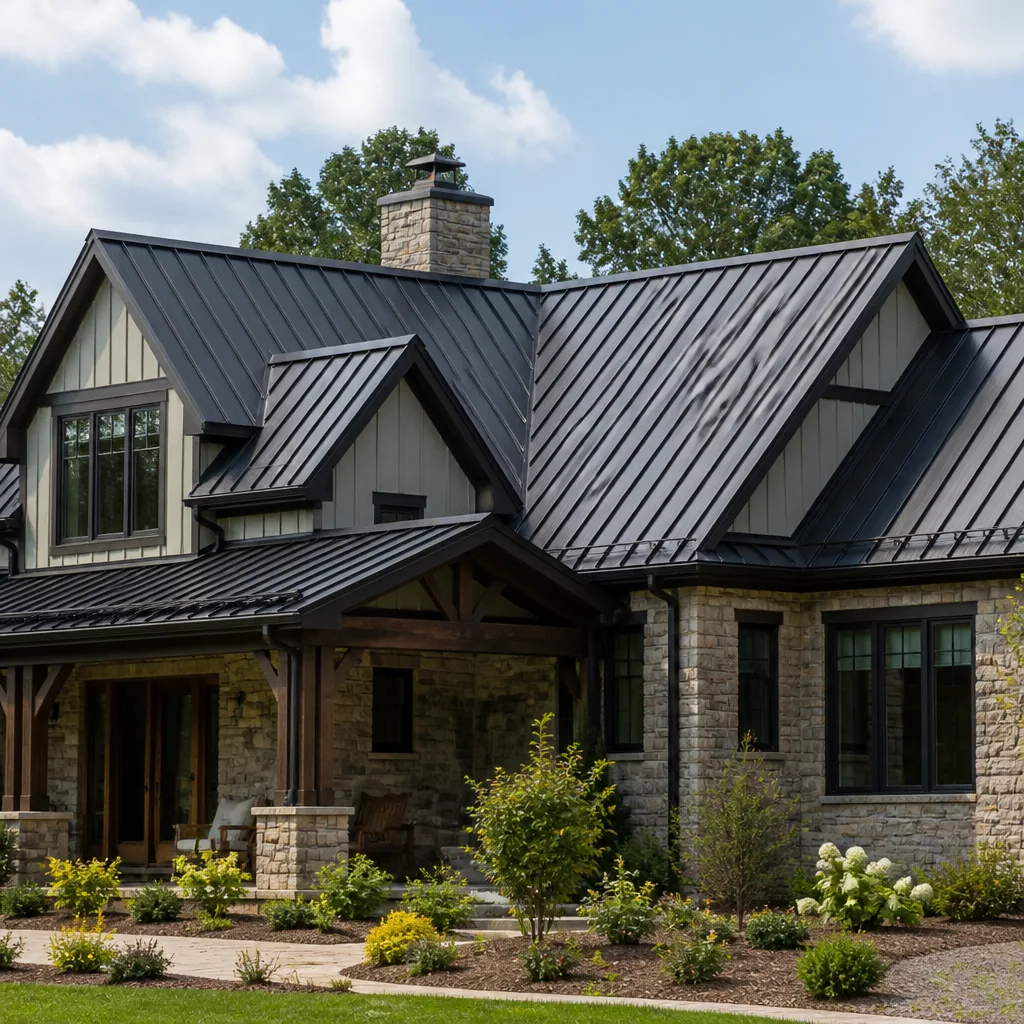 Metal roofing
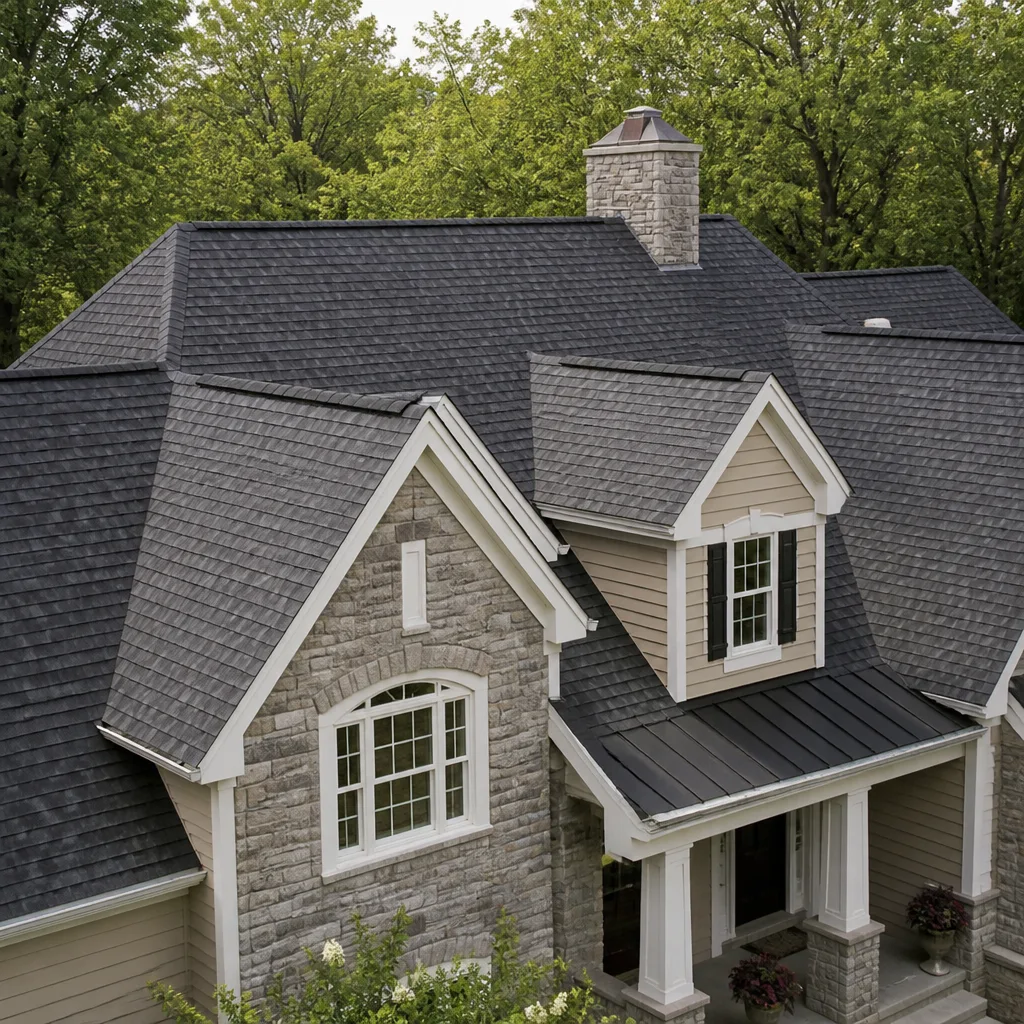 Architectural shingles
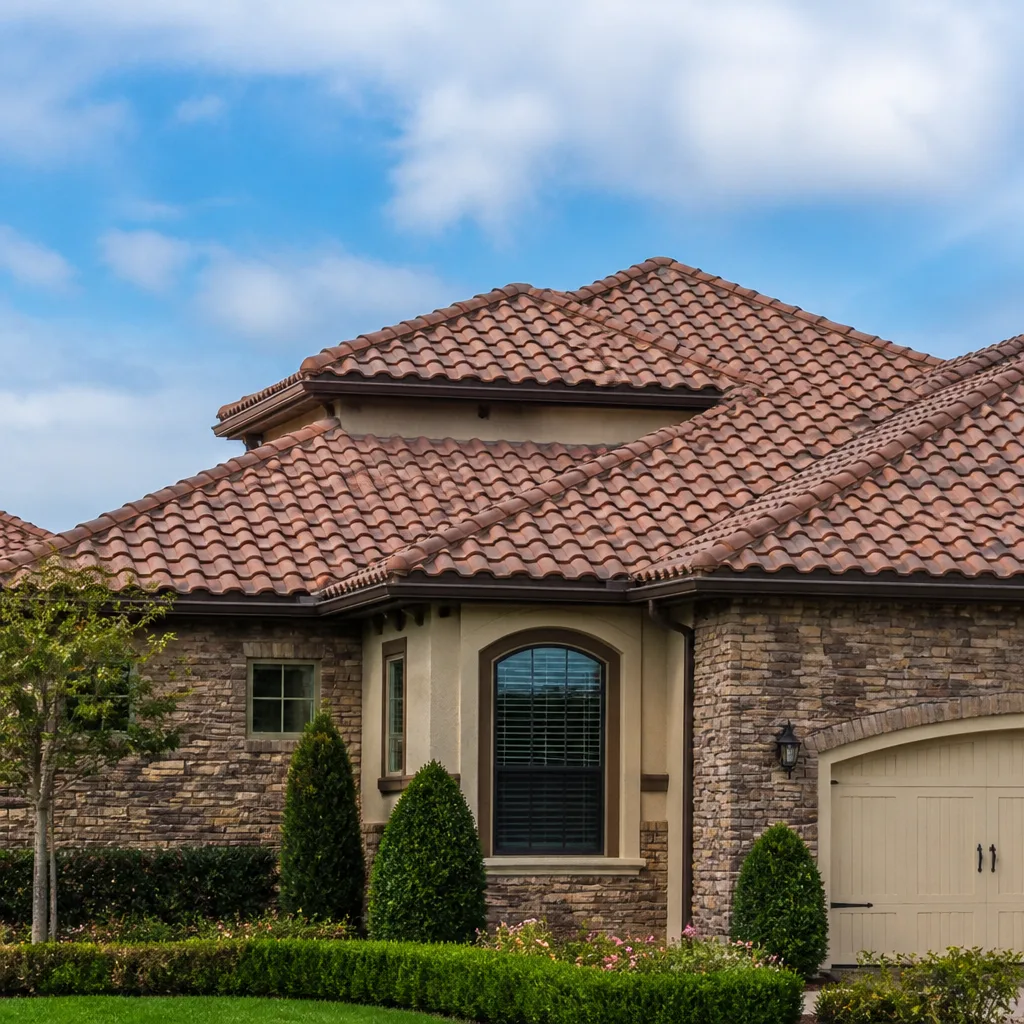 Tile roofing
 GAF
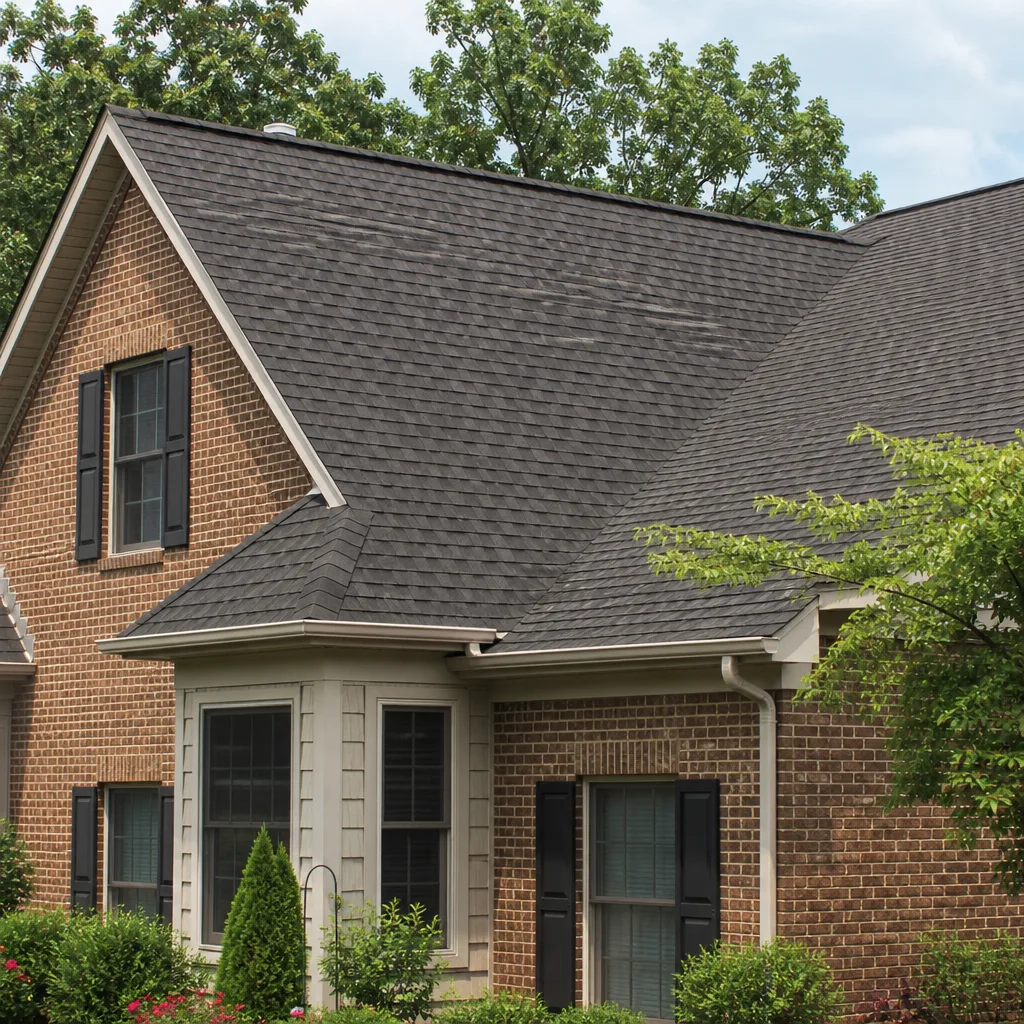 Owens Corning
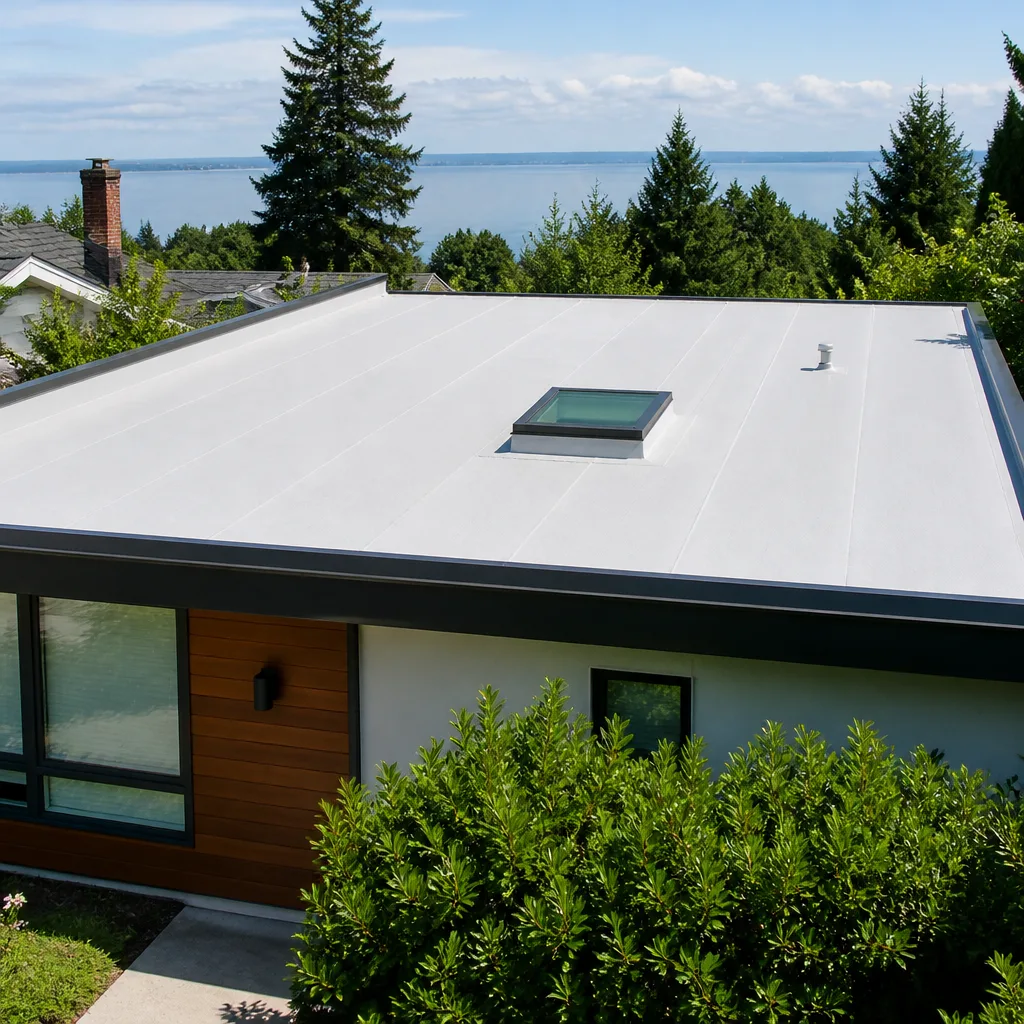 Flat & low-slope
Free roof inspection with deck photos before we talk money - GAF and Owens Corning certified installation
Roofing Permits, Codes & Inspections in Yonkers, NY: What You Need to Know
Most homeowners assume the contractor handles the paperwork and that the paperwork is the easy part. In Yonkers it usually is the part that decides whether a roof problem stays a roofing problem or becomes a real estate problem. A roof replacement done without a permit doesn’t announce itself. It sits quietly for years, then surfaces at the worst possible moment: a sale, a refinance, an insurance claim, or an inspection that flags work the city has no record of. The roofer who skipped the permit is often long out of business by then. This guide walks through exactly when a roofing permit is required in Yonkers, how the city’s permitting and inspection process actually runs, what happens when work goes unpermitted, and the questions to ask before you sign anything.
Quick Answer
Yonkers requires a building permit for a full roof replacement or any structural roof work, and most minor repairs fall beneath that threshold. The permit is normally pulled by the contractor you hire, not the homeowner, and the job isn’t finished until a city inspection has signed off on it. Skipping the permit can trigger stop-work orders and inspection failures, and it can complicate title and insurance later.
Styles & brands we work with
- Architectural shingles
- Metal roofing
- Tile roofing
- GAF
- Owens Corning
- Flat & low-slope
Table of Contents
- When a Roofing Permit Is Required in Yonkers
- Repair vs. Replacement: Where the Permit Line Sits
- How the Yonkers Permit and Inspection Process Works, Step by Step
- What Happens If You Skip the Permit
- Historic Districts: The Extra Approval Layer
- How Yonkers Weather Shapes Roof Code Compliance
- Questions to Ask Your Contractor About Permits
- Inspections and Realistic Timelines
When a Roofing Permit Is Required in Yonkers
The line between “permit required” and “not required” trips up homeowners in Yonkers more often than in surrounding Westchester municipalities. That’s partly because the city runs its own building department and inspection infrastructure on top of the state’s uniform code. There’s no single clerk’s office handling the county – Yonkers inspects its own.
As a general rule, the following types of work require a building permit in Yonkers:
- A full roof replacement, including a tear-off and re-roof, whether on a house, a multi-family building, or a commercial property.
- Structural roof work – replacing or sistering rafters, repairing sheathing over a certain area, addressing sagging decking, or changing the roof’s framing.
- Adding or enlarging roof penetrations such as skylights, dormers, roof decking for HVAC equipment, or new vents that change the roof’s profile.
- Any re-roof that changes the roof covering material or the number of layers.
Minor repairs – replacing a handful of missing shingles after a windstorm, sealing a leak around a chimney flashing, patching a small area of flashing – generally don’t require a permit. The threshold isn’t measured in shingles, though. If the repair involves opening up the roof structure, changing the roof system, or touching more than a small section of surface area, ask the building department. A quick call before work starts is cheaper than a correction after.
If you’re unsure which side of the line your roof lands on, the honest first step is a proper assessment. Ashton Roof Repair offers roof inspection as a standalone service, so you get an unbiased opinion on what the roof actually needs before anyone starts talking about permits or paperwork. An honest inspection first. A recommendation second.
Repair vs. Replacement: Where the Permit Line Sits
Most Yonkers homeowners we talk to already know something is wrong. Missing shingles after a nor’easter, a stain spreading on a ceiling, granules in the gutter. The question they actually need answered is whether the fix is small enough to fall outside the permitting process entirely. Here’s how the decision usually plays out.
Repair-level work (usually no permit):
- Replacing individual shingles or a small patch after wind or storm damage
- Re-sealing or replacing flashing around a chimney, vent pipe, or where the roof meets a wall
- Patching a localized leak
- Re-securing loose ridge caps or a short run of hip and ridge shingles
- Minor gutter-adjacent or fascia repair that’s part of stopping a leak (the roof side of the fix)
Replacement-level work (permit required):
- A full tear-off and re-roof of the entire structure
- Overlaying a new roof layer over the existing one, which most Yonkers roofers won’t recommend given the housing stock
- Replacing large sections of decking or sheathing
- Rebuilding a flat roof system on a rear extension, porch, or commercial building
- Any roof work that changes the drainage plan, such as re-pitching a low-slope section
The trap is the “repair” that quietly becomes a replacement. A contractor starts patching, finds two-thirds of the sheathing is soft, and decides to replace the whole roof on the spot. That’s the moment the permit should have been pulled – before the tear-off started. Ask any contractor upfront: if this turns into a replacement once you’re on the roof, do you pull the permit before the tear-off begins?
If the answer to that question reveals that a replacement is the right call, our roof repair team can walk you through what that means for your specific roof before you commit to anything.
How the Yonkers Permit and Inspection Process Works, Step by Step
Yonkers has its own building department, which means the permitting process runs through the city rather than Westchester County. Here’s the typical sequence for a residential roof replacement in Yonkers, from contract to sign-off:
- Contractor prepares the permit application. This includes the description of work, the roofing material being specified, and any relevant plans or drawings. For a standard tear-off and re-roof on a one-to-four-family home, this is usually straightforward. For a roof that involves structural work or a change to the roof’s profile, expect more documentation and possibly a licensed professional’s drawings.
- Contractor submits to the Yonkers building department. The contractor (or their expediter) files the application, pays the permit fee, and waits for review. Roofing permits are typically reviewed faster than new construction or additions, but the timeline depends on the department’s current workload and how complete the submission is.
- Permit is issued and posted. Once approved, the permit is issued and should be posted visibly at the job site. The permit number, contractor name, and scope of work are all listed. If a contractor starts work without a posted permit, that’s a red flag.
- Work proceeds per the approved scope. The material and scope on the permit should match what you agreed to in the contract. Substituing materials or adding work not listed on the permit requires an amended application.
- Required inspections are scheduled. Depending on the job, Yonkers may require an inspection after rough work (underlayment, sheathing replacement) and a final inspection when the roof is complete. The contractor schedules these, and the inspector verifies the work against the approved scope.
- Final inspection and sign-off. The job isn’t officially closed until the city signs off. Keep a copy of the inspection record. If you ever sell, refinance, or file an insurance claim on the roof, that paper trail matters.
Responsibility sits with the contractor on nearly every step. Some homeowners choose to pull their own permit when they’re acting as their own general contractor, but for a roof replacement that’s rarely advisable. The contractor knows the department’s process, knows the inspections required for a given roof type, and knows how to keep the job moving. The homeowner’s job is to verify – ask for the permit number, ask when the inspection is scheduled, and ask for a copy of the final sign-off once the job closes.
If the roof replacement is the right path for your house, our roof replacement team manages the permit process and inspections as part of the job. You don’t have to chase the paperwork.
What Happens If You Skip the Permit
Unpermitted roof work in Yonkers doesn’t cause problems on day one. It causes them years later, and usually at the worst moment. Here’s how it tends to surface.
Stop-work orders. If the city discovers work being performed without a permit – through a complaint, an inspector’s observation, or a coincidental inspection of something else – it can issue a stop-work order until the permit is obtained. That means the roof sits half-open while the contractor files paperwork. In bad weather, that’s a real problem.
Failed inspections and corrections. Once the permit is pulled after the fact, the work still has to be inspected. If the inspector finds the work doesn’t meet code – improper underlayment, insufficient nailing pattern, incorrect flashing – the contractor has to correct it. If the original contractor is gone, the homeowner pays for the correction.
Real estate and title complications. This is where unpermitted work really bites. During a sale, a buyer’s inspector or the title company can flag roof work that appears recent but has no permit record. It can hold up the closing while the seller tries to obtain a late permit or an after-the-fact inspection. In a Yonkers housing stock where plenty of homes have had multiple roofs over the decades, this kind of flag isn’t rare.
Insurance claims. Most homeowner policies require that property be maintained to code. If a roof leak or storm claim involves work that was done without a permit and doesn’t meet code, the insurer can push back on the claim. Getting a payout on a claim that’s tied to unpermitted work is a harder conversation than most homeowners expect.
Disclosure obligations. When you sell a home in New York, you’re required to disclose known issues. If you discover at sale time that a prior replacement lacked a permit, you’re legally caught between disclosing it (which can affect the sale) or not (which creates its own liability). It’s a bad corner to be in.
In our experience, the cost of a permit is small compared to the downstream cost of a permit problem. Ask the contractor upfront. Get it in writing. The permit isn’t a formality – it’s the record that the work was done correctly, and in Yonkers that record is inspected by the city, not just by the contractor’s word.
Historic Districts: The Extra Approval Layer
Some Yonkers neighborhoods carry historic designation that adds a layer of approval above the standard building permit. Parts of the city – particularly areas around the historic downtown and certain residential pockets – have design review requirements that affect not just the visual appearance of the home but the materials that can be used on the roof.
If your home falls within a historic district, the standard sequence changes:
- Check whether your property is in a designated historic district. This is the first call – before you sign a contract. The Yonkers building department or the city planning office can confirm it. Don’t assume that because the house next door isn’t flagged, yours won’t be.
- Expect additional design review. Roof material changes can require approval from the historic review body. Changing from asphalt shingles to metal, altering the color, adding a dormer, even changing the visible profile of the roof can trigger review.
- Budget additional time. Design review adds weeks to the front end of the project. If you’re managing a roof replacement on a timeline – prepping for sale, post-storm, coordinating with other trades – this is the part that most often blows the schedule.
- Match materials to the district’s standards. Historic districts often specify certain profiles or materials. A multi-brand roofer who can match the right product to the district’s requirement matters here. We install across Yonkers and know how to source materials that fit both the code and the design requirement – GAF, CertainTeed, Owens Corning, IKO, Atlas, Tamko, and Boral give us enough range to find a fit.
Many contractors skip the historic-district conversation because it complicates the pitch. That’s exactly why you should ask the question upfront. If your contractor doesn’t know whether your property is in a designated district, they’re not the right contractor for that job.
How Yonkers Weather Shapes Roof Code Compliance
Yonkers sits in the lower Hudson Valley with weather that stresses roofs hard. Hot, humid summers and cold winters with significant snow and ice mean the roof system is cycling through expansion and contraction repeatedly. That cycle is what drives most of the code compliance you’ll see referenced in a permit for a Yonkers roof.
The code requirements that come up most often for Yonkers roofs include:
- Ice dam protection. This is required along the eaves of most roofs in this climate zone. It’s an underlayment layer that keeps meltwater from backing up under the shingles and into the house. It’s usually invisible after the job – and that’s exactly why it’s the most common substitution an unprincipled roofer makes. Skipping it saves money on the job and costs the homeowner in ceiling damage later.
- Underlayment specification. The correct underlayment depends on the roof slope and the roofing material. In Yonkers, the permit will typically call out the underlayment type. Verify it matches what’s on the roof when the crew is halfway through.
- Flashing at penetrations and wall intersections. Ice and snowmelt find every gap. Flashing details are subject to inspection.
- Ventilation. Proper intake and exhaust ventilation is specified in code and inspected. Inadequate ventilation causes premature shingle aging in this climate – and the aging happens on the underside, invisible from the ground, until the shingles start to fail.
- Fastener specification. Nail size and pattern are specified by the shingle manufacturer and by code. The inspector checks them.
What this means practically: the permit isn’t just a piece of paper. It’s the document that ties the roof to a specific code-compliant installation, and the inspection is the verification. A roofer who installs without a permit is a roofer whose work the city never checked.
If you’re not sure what your roof needs to meet code in this climate, our team can walk you through it. We work across all three phases of roof service – inspection, repair, and full replacement – so the recommendation is tied to the actual roof, not to a product we’re trying to move.
Questions to Ask Your Contractor About Permits
Before you sign a roofing contract in Yonkers, get clear answers on the permit process. The following questions catch most of the issues that turn into problems later:
- “Will you pull the permit, and is it included in the price?” On a replacement in Yonkers, the answer should be yes, and yes. If the permit is “extra,” ask why – it’s a normal part of the job. If the contractor says a permit isn’t needed for a full replacement, that’s a serious concern.
- “What’s the permit number once it’s issued, and can I have a copy?” A contractor who pulls permits won’t mind sharing the number. A contractor who dodges the question is telling you something.
- “Is my property in a historic district, and does the work require design review?” If the contractor doesn’t know, ask them to find out. Better yet, verify it yourself with the building department before work starts.
- “What inspections are required, and who schedules them?” The contractor should be able to describe the inspection sequence for your specific job. If they say “the inspector shows up when the work is done,” ask more.
- “Will you provide a copy of the final inspection sign-off when the job is closed?” This is the paper trail you want for your own records. Get it in writing that you’ll receive it.
- “If the job turns into a replacement after tear-off begins, do you pull the permit before you continue?” This is the question that catches the “repair that becomes a replacement” scenario.
- “What happens to my permit if you’re not available to complete the job?” If a contractor can’t complete the work, the permit may need to be transferred or re-pulled. The answer should be clear and reasonable.
We’re happy to walk you through the permit process on your specific roof before you commit to anything. Call (833) 741-8977 and we’ll schedule a roof repair assessment or a full inspection, so the permit conversation is based on what your roof actually needs – not a guess.
Inspections and Realistic Timelines
Timelines for a Yonkers roofing job depend on three factors: how quickly the city reviews the permit application, how straightforward the job is, and whether inspections require multiple visits. Here’s what a typical residential roof replacement looks like from the homeowner’s side.
Permit application and review: A standard residential tear-off in Yonkers is usually reviewed within a few weeks of a complete submission. Incomplete submissions get returned, and the clock restarts. This is why the contractor’s familiarity with the department’s process matters – a clean submission clears faster.
Scheduling and setup: Once the permit is issued, the job gets scheduled. Material delivery, crew assignment, and staging all happen in this window. Homeowners often underestimate how long this takes. It’s not instant, and it shouldn’t be rushed. A roofer who’s available immediately on a full replacement is often a roofer who’s skipping the permit.
Tear-off and installation: A typical single-family home in Yonkers takes a few days for the tear-off and roof installation, depending on square footage, roof complexity, and weather. Add time for any sheathing replacement found after tear-off.
Inspections: Depending on the job, the city may require a rough inspection after underlayment and sheathing, and a final inspection when the roof is complete. The contractor schedules these and coordinates them with the department. There’s usually a wait between the request and the inspection visit – a few days to a couple of weeks, depending on the department’s workload.
Final sign-off: Once the inspector signs off, the job is officially closed. Keep the paperwork. It’s the record that the roof was done correctly, and it’s what protects you if you ever sell, refinance, or file a claim.
If you’re moving toward a replacement and want a realistic timeline based on your specific roof, call (833) 741-8977 for a free estimate. The estimate, the timeline, and the permit discussion are all part of the same conversation.
Common Mistakes to Avoid
- Assuming the contractor will “handle everything.” They will – if you ask them to and put it in writing. Don’t assume. Ask the permit questions above before signing, and confirm the permit is included in the contract price.
- Skipping the permit on a “small” replacement. A full roof on a rear extension or porch still counts as a replacement, not a repair. The scope of the roof – not the size of the house – determines whether a permit is required.
- Not checking the historic district status. Some Yonkers neighborhoods carry design review that contractors don’t flag upfront. Verify before the job, not after. If a material substitution requires additional approval, that’s a conversation you want to have before work begins, not after.
- Accepting a “no permit needed” answer without verification. A contractor who tells you a full replacement doesn’t need a permit is either misinformed or avoiding the process. Call the building department yourself and confirm. In Yonkers, the answer is almost always that a replacement needs one.
- Not keeping the inspection sign-off. The final inspection record is the single most valuable piece of paper from a roof replacement. Keep a copy in your home file. It’s your proof that the job was done correctly and it will matter during a future sale.
- Ignoring the “repair that becomes a replacement” warning. When the roof deck turns out to be worse than the contractor expected, the permit situation can get murky. Ask upfront whether the contractor will pull a permit if the job expands, and get the answer in writing.
- Hiring a roofer who won’t put the permit scope in the contract. The contract should state the scope of work and who is responsible for the permit. If it doesn’t, the permit problem becomes yours. A written, line-item quote with the permit responsibility clearly stated is a baseline expectation, not a bonus.
See the difference
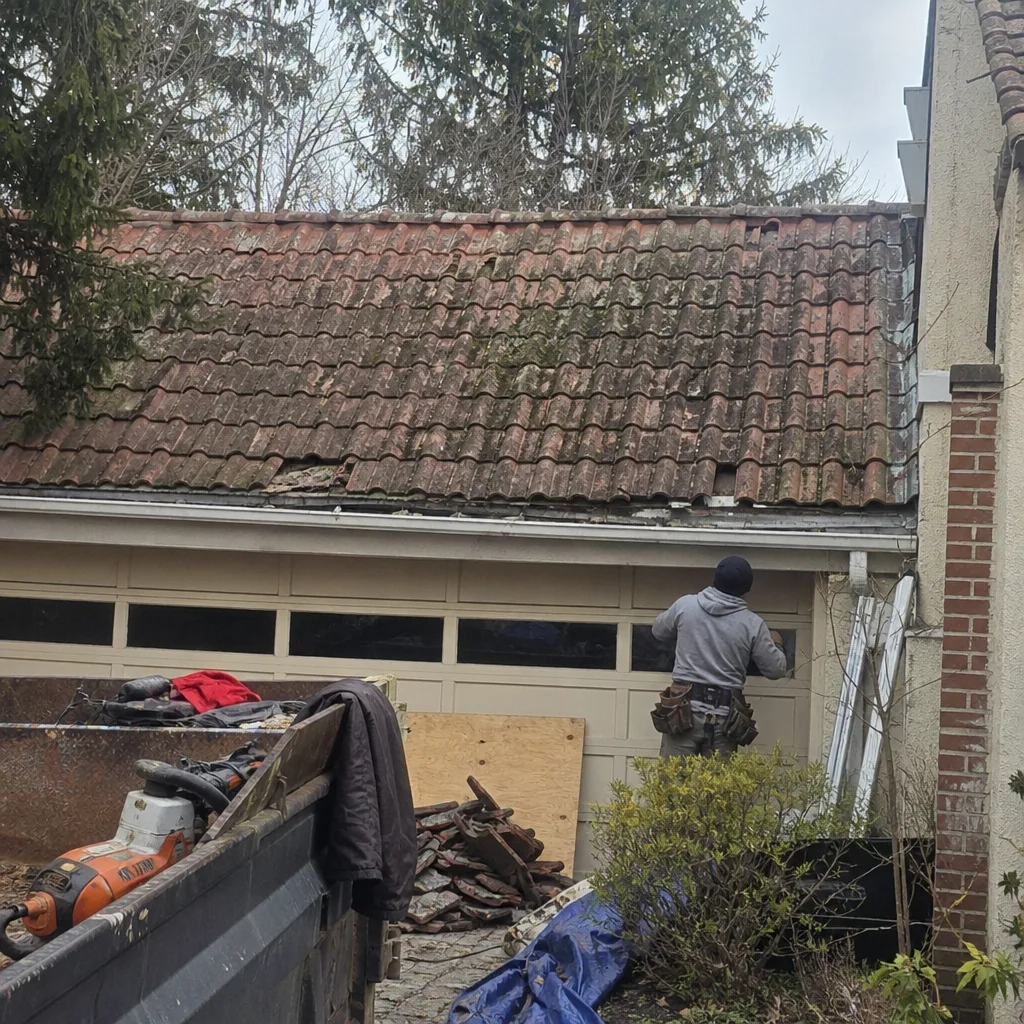 Before
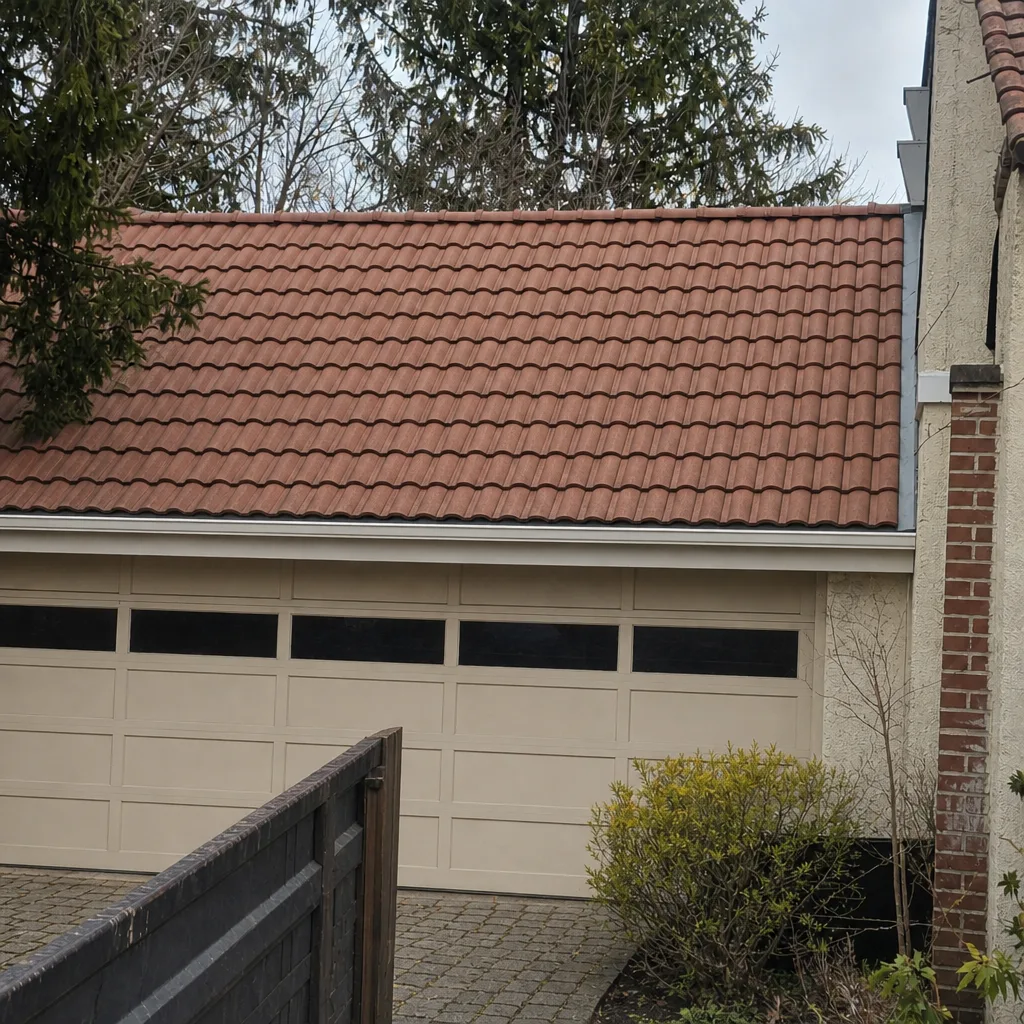 After
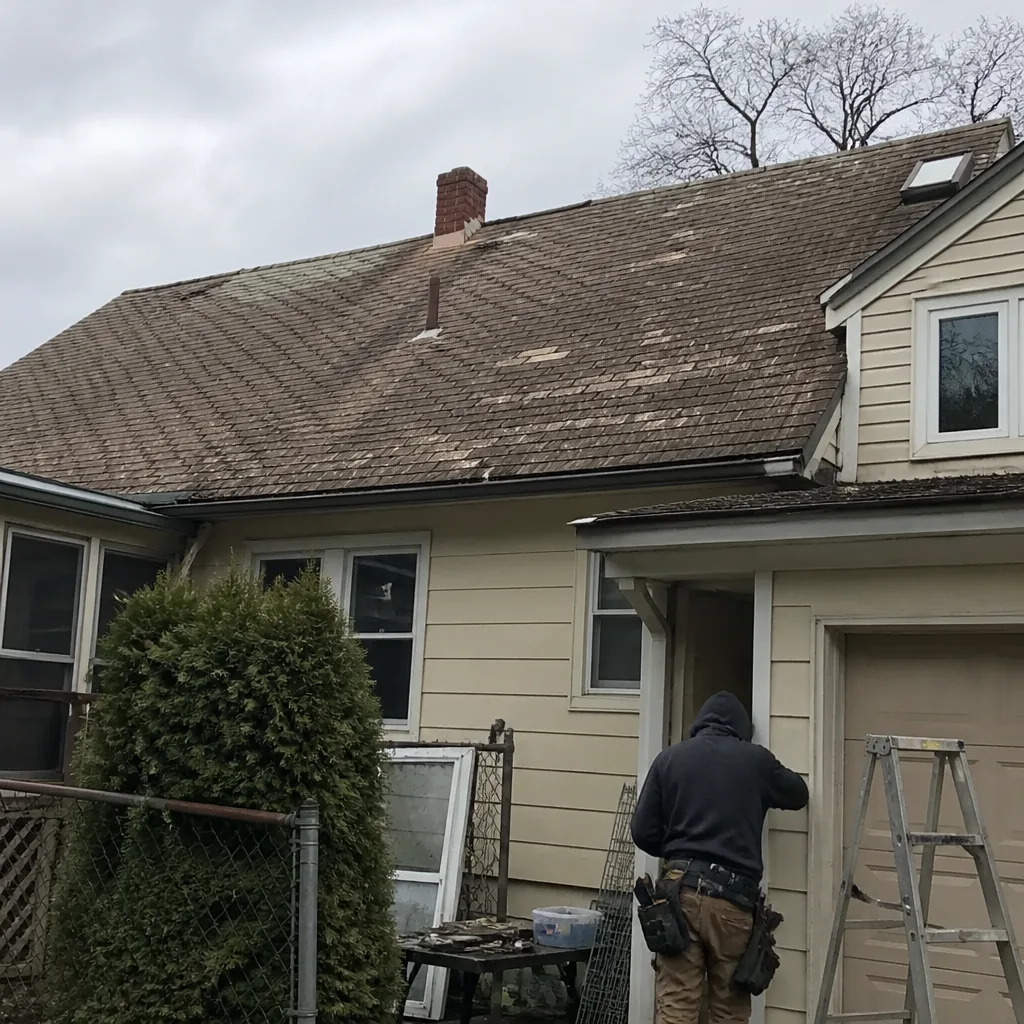 Before
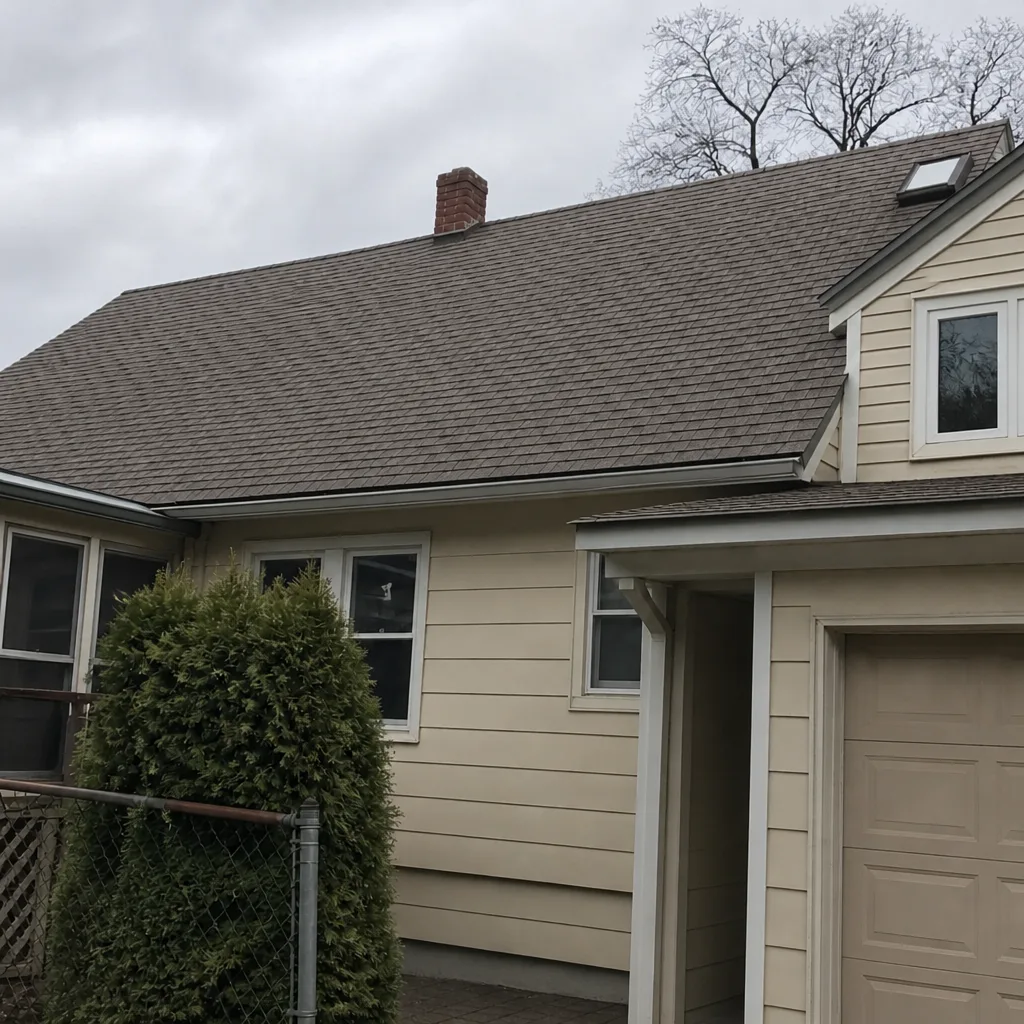 After
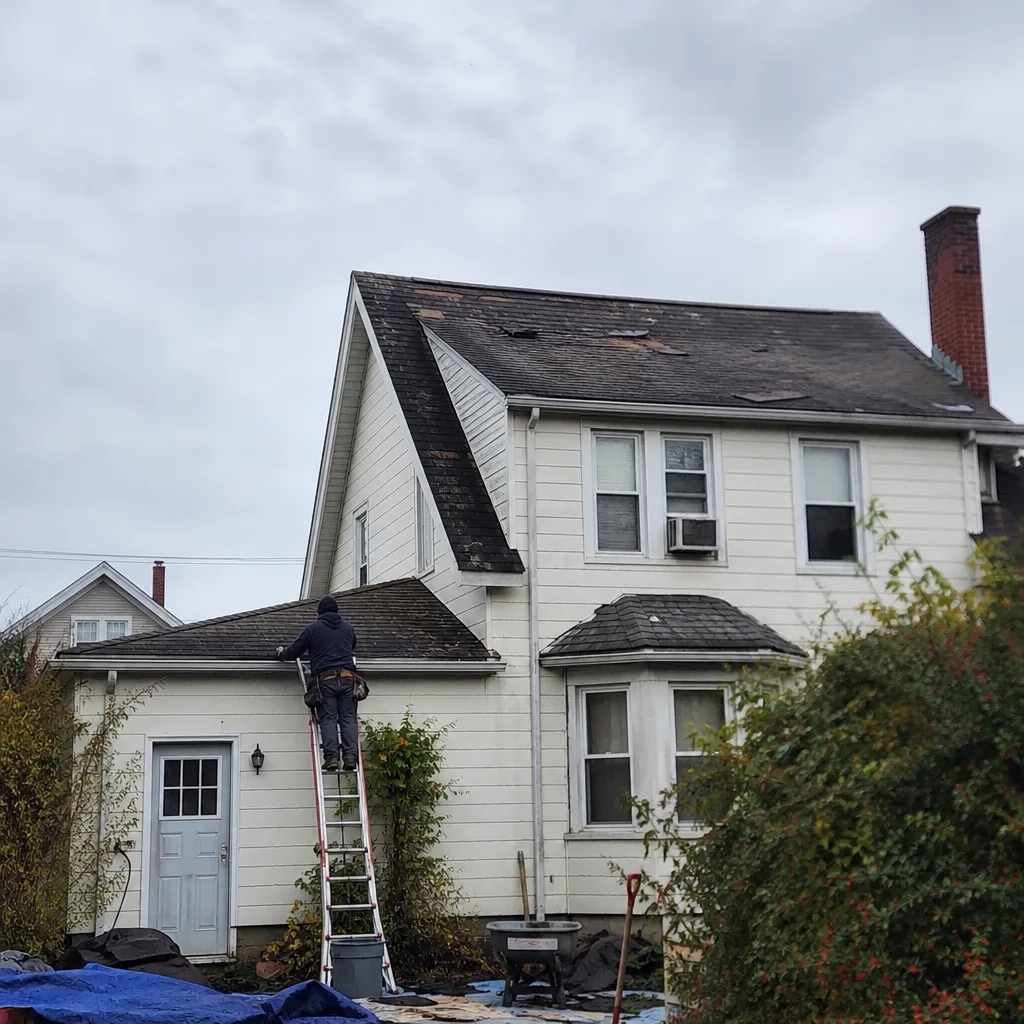 Before
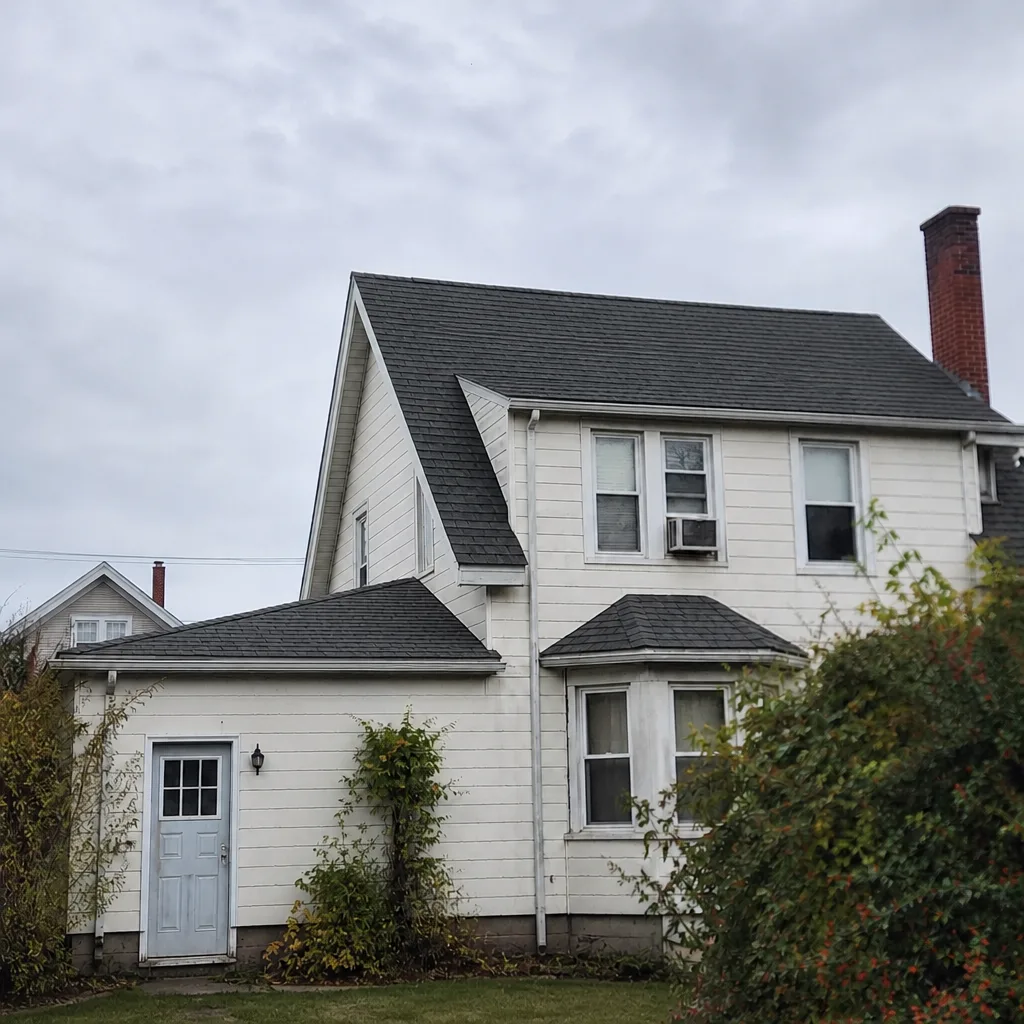 After
When to Call a Professional
Some roofing situations need a professional on site quickly, not a call to the building department. Call us if you’re seeing water actively coming into the house during or after a storm, shingles that have lifted or torn off, a leak you’ve traced to a specific location and can’t stop, or a sagging roofline that might indicate structural problems. Those are the cases where a fast, honest assessment matters more than research. We answer 24/7 and fast-dispatch from 7am to 7pm, Sunday through Friday, so a call outside dispatch hours gets booked into the next opening. We’re closed on Saturday. Ashton Roof Repair offers free estimates in Yonkers – call (833) 741-8977.
If you’re in the research phase – preparing to sell, thinking about a replacement next season, or just not sure what the roof needs – a standalone inspection is the right starting point. Ashton Roof Repair provides inspections as a standalone service with no obligation to buy a repair. We work across GAF, CertainTeed, Owens Corning, IKO, Atlas, Tamko, and Boral, so the recommendation reflects what fits your roof, not what’s sitting in one supplier’s inventory.
Frequently Asked Questions
Yes. A full roof replacement in Yonkers requires a building permit from the city’s building department, and the job must pass inspection before it’s closed. Minor repairs generally fall below the permit threshold, but any replacement, structural roof work, or change to the roof system requires one. The permit is typically pulled by the contractor, not the homeowner.
The contractor is normally responsible for pulling the roofing permit in Yonkers, and the permit should be included in the contract price. A homeowner can apply for a permit themselves in some cases, but for a roof replacement it’s rarely advisable. Confirm permit responsibility in writing before work begins. If a contractor asks you to pull the permit yourself, ask why. Call (833) 741-8977 if you’d like our help walking through what’s required for your roof.
Unpermitted roof work in Yonkers can trigger a stop-work order during the job, failed inspections after the fact, and complications at the time of a sale or insurance claim. The city can require the homeowner to obtain a late permit and correct any code issues at their own expense. It’s a much bigger problem years later than it is on the day the work is done.
A standard residential roof permit in Yonkers is typically reviewed within a few weeks when the submission is complete. Timelines depend on the building department’s current workload and the complexity of the job. Incomplete submissions can restart the clock, which is why a contractor who knows the process matters. Factor the permit timeline into your project schedule from the beginning. Call (833) 741-8977 for a free estimate and a realistic timeline for your roof.
Some Yonkers neighborhoods carry historic designation that adds a design review layer on top of the standard building permit. If your home is in a designated district, roof material changes, color changes, and visible profile changes may require approval before a permit is issued. Confirm your property’s status with the city before signing a contract, and make sure the contractor knows the district’s material requirements.
It can. During a sale, a buyer’s inspector or title company may flag recent-looking roof work that has no permit record, which can delay or derail the closing. On the insurance side, a claim tied to unpermitted work can be contested. The permit and inspection record is the paper trail that protects you in both situations. When in doubt, ask the contractor for the permit number and keep the final sign-off in your home file.
The Bottom Line
In Yonkers, a roofing permit isn’t a formality. It’s the record that the work was done to code and inspected by the city, and it’s what protects you when you sell, refinance, or file a claim. Full replacements need one; minor repairs generally don’t. The contractor should pull it, include it in the price, and hand you the final inspection sign-off when the job closes. Historic districts add an approval layer many contractors skip. If you’re about to replace a roof in Yonkers and want the permit, the materials, and the timeline all explained clearly – and the material matched to your roof rather than a supplier’s inventory – call (833) 741-8977 to schedule your free estimate. We answer 24/7, fast dispatch runs 7am to 7pm Sunday through Friday, and we’re closed Saturday.
Written by the team at Ashton Roof Repair, serving Yonkers since 2012.